




















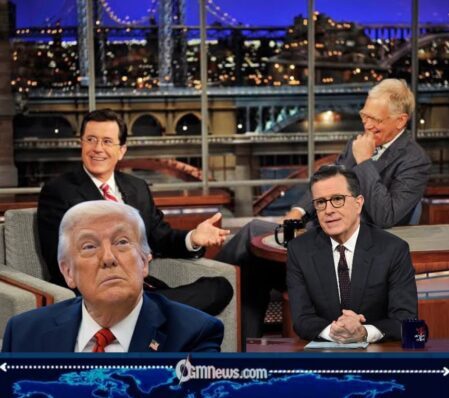
Stephen Colbert has found himself starring in a script that even late-night television writers might have rejected for being “too on the nose.” Just weeks after CBS ended The Late Show following an 11-year run, the comedian received an anti-censorship award from the Before Columbus Foundation. While CBS has consistently maintained that the show’s cancellation was driven by financial considerations rather than politics or editorial content, the timing has reignited public debate over free expression, satire and the changing landscape of American television.
CBS Ends the Show, Then Stephen Colbert Collects an Award That Raises Eyebrows
The anti-censorship honour was announced as part of the 47th Annual American Book Awards, with Colbert sharing the recognition alongside independent bookseller Mitchell Kaplan. The foundation described the award as recognition for defending freedom of expression and encouraging diverse voices. Supporters of Colbert quickly interpreted the honour as symbolic, noting that it arrived shortly after one of television’s most prominent satirical platforms disappeared from network schedules.
In true satirical fashion, critics joked that the award had perfect comic timing: “Nothing screams anti-censorship quite like receiving the trophy after your microphone has already been unplugged.” While humour flooded social media, the underlying discussion remained serious. Many observers argued that regardless of the reasons for the cancellation, the sequence of events would inevitably fuel speculation about whether political satire is becoming a more difficult business in commercial broadcasting.
Stephen Colbert’s Honour Fuels Fresh Debate Over Comedy, Politics and Television
CBS has repeatedly stated that ending The Late Show was purely a financial decision made amid the economic challenges facing late-night television. The network has denied suggestions that politics or Colbert’s commentary influenced the decision. Nevertheless, the cancellation attracted widespread public discussion because Colbert had become one of President Donald J. Trump’s most persistent television critics, making the timing impossible for many commentators to ignore.
The broader conversation extends beyond one television programme. Traditional late-night television has faced declining advertising revenue, shifting viewer habits and growing competition from streaming platforms, podcasts and social media creators. Whether Colbert’s award becomes remembered as a celebration of free expression, an ironic footnote to television history or both may depend on how audiences interpret this unusual chapter. For now, the applause continues—even if the studio lights have dimmed.
OGM News will continue monitoring developments surrounding Stephen Colbert’s future projects, public reactions and the evolving conversation about satire, free speech and entertainment. If this story has proven anything, it is that in modern media, the final joke sometimes arrives only after the closing credits.

[…] […]