


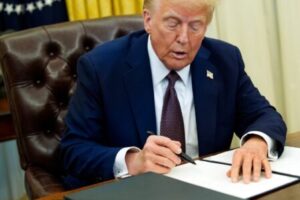

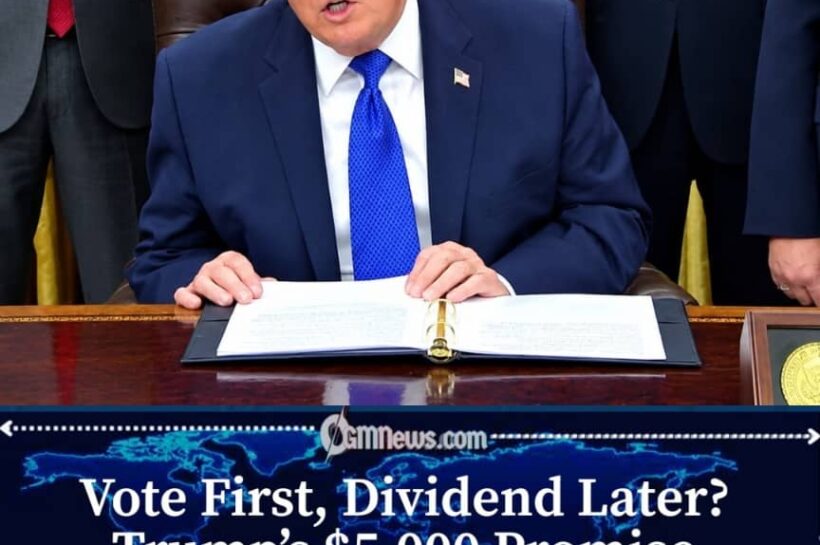




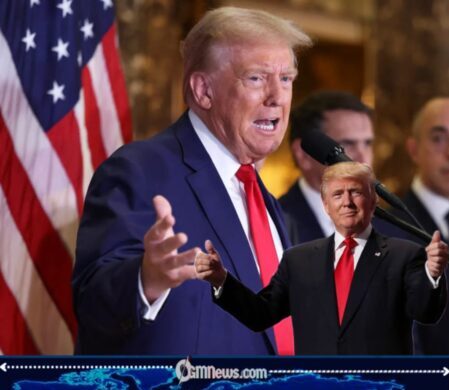
The United States has unveiled a dramatic reshuffle of its global health funding, releasing $600 million for Gavi while cutting the World Health Organization (WHO) off from receiving U.S. government funding through the vaccine alliance. The decision, announced jointly by the U.S. Department of State and the Department of Health and Human Services, marks another chapter in President Donald J. Trump’s long-running dispute with the UN health agency.
While officials describe the move as a push for reforms and greater accountability, political observers say it represents one of the most significant shifts in U.S. global health policy in recent years. Around the diplomatic corridors, the rumor is that the WHO may soon need to check whether its invitation to Washington’s financial dinner was accidentally sent to the spam folder.
Funding Reset Leaves WHO Outside the Door
According to U.S. officials, the restored $600 million for Gavi comes with clear conditions. President Donald J. Trump directed Health and Human Services Secretary Robert F. Kennedy Jr. and Secretary of State Marco Rubio to negotiate reforms before broader American support could return. Among the reported commitments is Gavi’s agreement to work with its partners on replacing mercury-containing vaccines with mercury-free alternatives. Supporters argue that the decision ensures American taxpayer money is tied to measurable reforms rather than automatic contributions.
For the WHO, however, the announcement represents another financial setback. The agency will no longer receive U.S. government funding through Gavi, extending a dispute that dates back to the COVID-19 pandemic. In classic satirical fashion, diplomats joked that the WHO arrived expecting a budget meeting but instead received directions to the nearest exit. Behind the humour, though, the decision reflects genuine policy differences over governance, transparency and the future structure of international health cooperation.
Old Rivalry Returns to the Global Stage
The latest development follows years of political tension between President Trump and the WHO. During the coronavirus pandemic in 2020, Trump suspended U.S. funding after accusing the organization of mishandling the crisis and being overly influenced by China. President Joe Biden later restored funding in 2021, but Trump’s return to office in January 2025 revived his earlier position by beginning the process of withdrawing the United States from the organization once again.
Health experts remain divided over the implications. Some believe the reforms demanded by Washington could improve accountability within international health partnerships, while others warn that reduced WHO funding may affect programmes tackling polio, tuberculosis, malaria, HIV, measles and emergency health responses in conflict zones. Satirists, meanwhile, quip that global health diplomacy has become a family dinner where everyone still shows up, but nobody agrees on who should pay the bill.
Whether viewed as a necessary reform or a geopolitical gamble, the latest funding decision signals another major turning point in America’s relationship with international health institutions. As negotiations between Washington, Gavi and the WHO continue, the consequences for global vaccination programmes and emergency health responses will remain under close scrutiny. Stay with OGM News for continuing updates as this high-stakes story develops.

[…] […]