



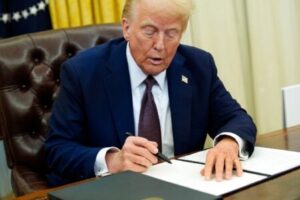



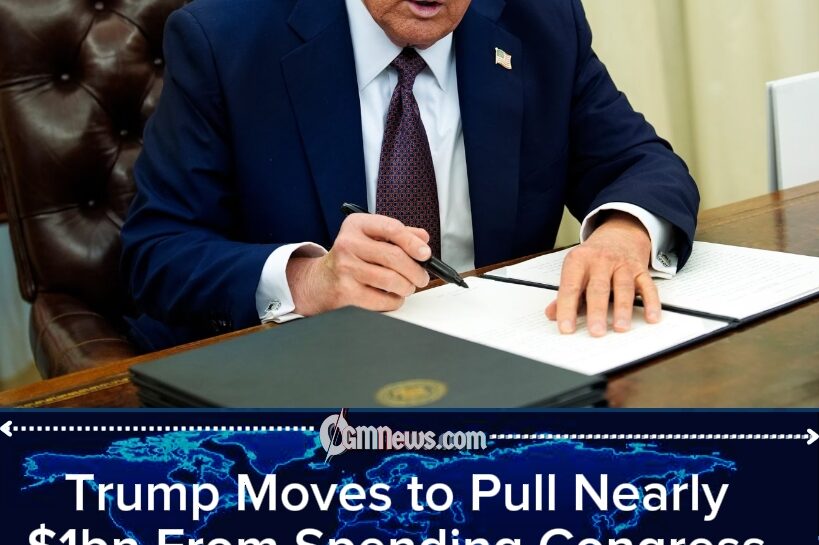



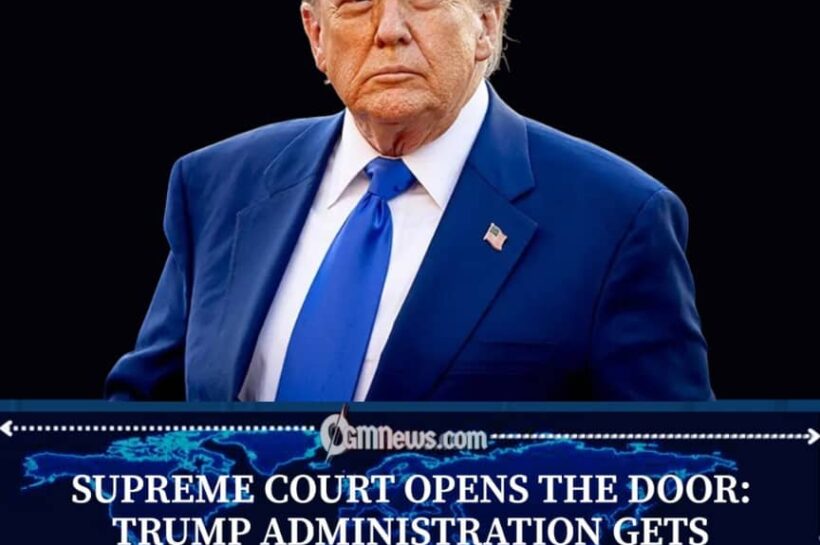





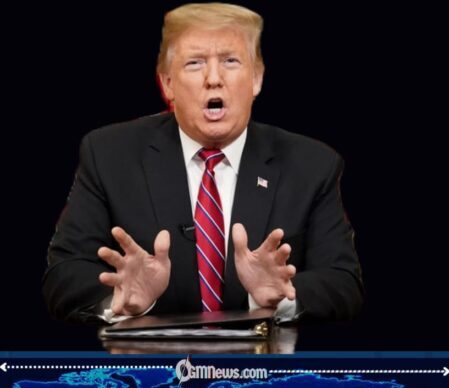
The sound of cash registers may not be coming from the ports alone. According to a data analysis by Advancing American Freedom, the conservative organization founded by former U.S. Vice President Mike Pence, lobbying efforts tied to tariffs surged after President Donald J. Trump’s “Liberation Day” tariffs took effect last year. In classic Washington fashion, the new trade barriers appear to have sparked not only debates over manufacturing and imports but also an energetic race through the halls of power, where businesses, trade groups and consultants reportedly lined up to plead their cases. If tariffs were meant to protect industries, they have also created booming business for lobbyists.
Lobbyists Find Their Own Liberation Day
As businesses adjusted to the sweeping tariffs, many reportedly turned to lobbying firms in hopes of securing exemptions, influencing policy, or minimizing financial pain. The irony is difficult to ignore: while manufacturers prepared for higher import costs, lobbying firms may have found themselves enjoying one of their busiest seasons. It was almost as if every new tariff arrived with an invitation to hire another consultant.
Recent reporting and public lobbying disclosures have shown that tariff announcements often trigger increased advocacy efforts from industries ranging from manufacturing and agriculture to technology and retail. Companies facing rising costs typically seek meetings with policymakers, hoping their products or supply chains receive special consideration before the economic pressure becomes too heavy.
Politics, Policy and Plenty of Phone Calls
The renewed wave of lobbying also highlights a familiar reality in American politics: whenever government changes the rules, someone quickly starts dialing Washington. Trade policy has long attracted intense lobbying because even small adjustments can affect billions of dollars in business, making influence almost as valuable as the goods crossing international borders.
Supporters argue the tariffs strengthen domestic production, encourage investment at home and improve America’s negotiating position with trading partners. Critics counter that businesses often pass additional costs to consumers, creating fresh economic challenges. Meanwhile, lobbyists continue to thrive in the middle, proving once again that while tariffs may raise the price of imported goods, they can also raise demand for political access.
Whether the surge in lobbying ultimately reshapes tariff policy remains to be seen, but the latest findings underline how major economic decisions often create equally significant political activity behind the scenes. OGM News NG will continue monitoring developments surrounding President Donald J. Trump’s trade agenda, lobbying trends and their wider impact on businesses, consumers and the U.S. economy.

[…] […]