














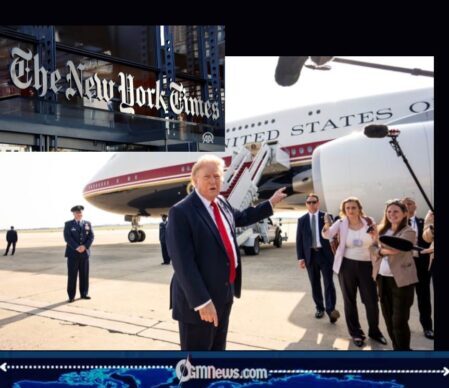
In a week that left journalists checking whether their morning mail contained coffee coupons or court orders, the administration of President Donald J. Trump intensified its confrontation with the American press by issuing subpoenas to several New York Times reporters over their reporting on a Boeing 747 aircraft donated by Qatar. While officials describe the investigation as a legitimate effort to identify unauthorized leaks involving sensitive national security information, critics argue the move risks chilling investigative journalism and discouraging confidential sources from exposing matters of public interest. In the strange theatre of modern politics, the messenger appears to have become as interesting as the message.
When the Knock Is Louder Than the News
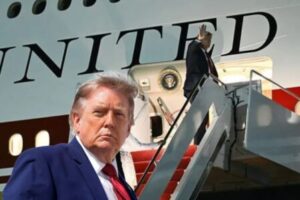
According to publicly reported accounts, the subpoenas seek testimony connected to reporting that questioned the security readiness of the Qatari-donated Boeing 747 that President Trump has indicated could serve as a replacement for Air Force One. The reports cited anonymous officials familiar with the aircraft’s capabilities, suggesting the jet lacked some of the sophisticated security features found on the existing presidential aircraft. The administration has defended its response by stressing the importance of protecting classified information and preventing unauthorized disclosures.
Satirically speaking, Washington seems to have unveiled a new customer service policy: if officials dislike the headlines, perhaps they can interview the journalists instead. Reporters suddenly found themselves starring in an unexpected reality show titled Guess Who’s Coming with a Subpoena? It is the kind of plot twist where doorbells become breaking news and legal documents threaten to become the newest newsroom subscription package.
Trump Administration:Press Freedom Takes Centre Stage
Media advocates and constitutional experts have reacted with alarm, warning that compelling reporters to identify confidential sources could weaken protections traditionally associated with press freedom and investigative reporting. News organizations maintain that confidential sources often expose information that would otherwise remain hidden, particularly in matters involving government spending, public accountability and national security.
Meanwhile, the political spectacle continues with remarkable determination. Critics joke that if investigative reporting becomes too successful, perhaps future journalists will simply submit story ideas directly to the nearest courthouse. Democracy, after all, tends to function best when uncomfortable questions are answered with evidence rather than invitations to testify. While the Trump administration insists it is safeguarding national security, opponents argue that a government confident in its actions should welcome scrutiny rather than treat every anonymous source like the star witness in a political mystery novel.
The dispute has become more than a disagreement over one aircraft or one newspaper. It represents a broader debate over how governments balance national security, leak investigations and the constitutional role of a free press. As legal proceedings continue and reactions grow across political and media circles, OGM News NG will continue monitoring every significant development surrounding this evolving story.



[…] […]