













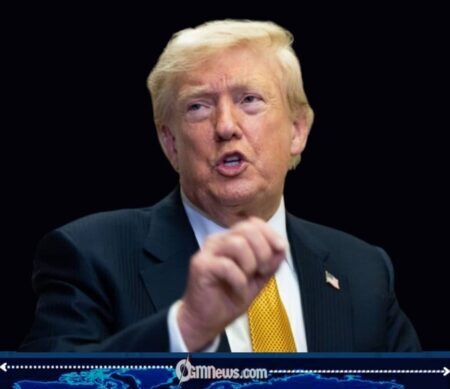
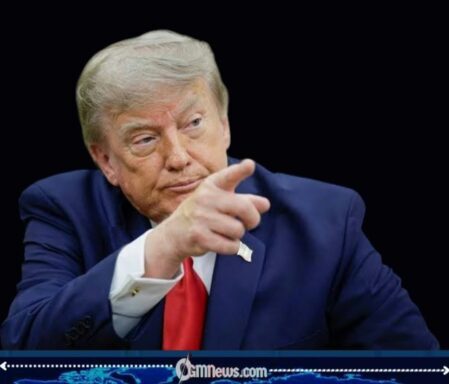
The Strait of Hormuz has suddenly become the centre of another extraordinary geopolitical debate after U.S. President Donald J. Trump declared that the United States would likely “keep” the strategic waterway, become its guardian, and expect financial reimbursement for providing security. The remarks, made amid renewed tensions involving Iran and the vital oil-shipping corridor, have sparked global discussion over maritime security, international law, and the future cost of protecting one of the world’s busiest energy routes. Recent reports indicate that the latest escalation has already unsettled financial markets and pushed oil prices higher as governments monitor developments closely.
Guardian Wanted, Payment Required
In true headline-grabbing fashion, President Trump suggested that if America is expected to guard the Strait of Hormuz, then somebody should be paying the security bill. His proposal effectively turned one of the world’s most strategic waterways into something resembling a premium subscription service, complete with an implied membership fee for safe passage.
In the satirical world imagined by OGM News, shipping companies immediately began searching for loyalty cards, while accountants reportedly wondered whether cargo insurance now includes “Guardian Premium Plus.” Even imaginary dolphins were said to be asking whether frequent swimmers would receive discounts before crossing the famous waterway. Behind the humour, however, lies a serious issue: the Strait of Hormuz carries a significant share of the world’s oil exports, making any disruption a matter of global economic concern.
A Toll Booth or Global Security?
Trump’s comments have reignited debate over who should bear the cost of securing international shipping lanes. Analysts note that any proposal involving charges for commercial cargo passing through the Strait of Hormuz would have major implications for global trade, energy prices, and diplomatic relations. Several governments are expected to closely examine the legal and economic consequences should such proposals advance further.
Meanwhile, OGM News can only imagine customs officers replacing passports with payment receipts while cargo captains nervously ask whether “fast lane” access comes with complimentary coffee. If world affairs continue moving at this pace, the next international summit may feature discussions on maritime parking permits and premium ocean subscriptions. Satire aside, the evolving situation remains highly significant as tensions surrounding the Strait of Hormuz continue to influence global markets and international diplomacy.
Whether President Trump’s proposal develops into official policy or remains another bold negotiating position, the discussion has once again placed the Strait of Hormuz at the centre of international attention. As governments, markets and shipping companies assess the implications, OGM News will continue monitoring every major development. Readers should stay tuned for future updates as this remarkable story continues to unfold.

The registration process was so simple and I started playing within minutes. Promotions come in...