


























The US-Israel Alliance is facing renewed scrutiny after a series of reports and public remarks suggested that President Donald J. Trump may be reassessing how Washington manages its long-standing relationship with Israel. Although the two countries remain close military and strategic partners, recent disagreements over Iran, Lebanon and regional diplomacy have created an atmosphere of unusual tension, raising questions about whether America’s Middle East strategy is entering a new phase.
Growing Friction Between Washington and Jerusalem
The latest developments come as Israeli Prime Minister Benjamin Netanyahu confronts one of the most politically difficult periods of his career. Alongside continuing corruption charges and uncertainty surrounding Israel’s domestic political landscape, Netanyahu has faced increasing pressure over the continuation of military operations in southern Lebanon while the United States seeks broader regional negotiations involving Iran.
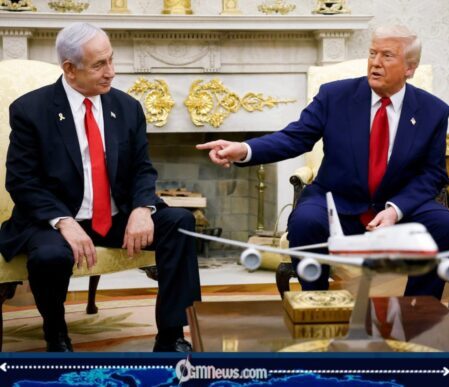
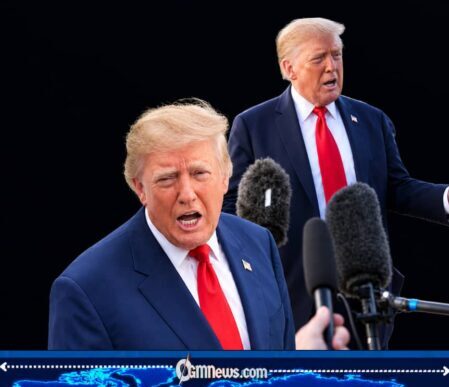
Reports describing an alleged phone conversation between President Trump and Netanyahu claimed that the American leader sharply criticized Israel’s approach to the conflict and urged restraint. Although the complete contents of the conversation have not been officially verified, neither government has fully erased speculation surrounding the exchange. Trump’s subsequent public remarks suggesting that Netanyahu “knows who the boss is” have only intensified discussion about growing differences between the two leaders.
Diplomacy, Iran and the Future of the US-Israel Alliance
Additional reporting indicates that negotiations involving Iran have become one of the central issues testing the US-Israel Alliance. Iran has reportedly linked progress in discussions with Washington to ending military operations in southern Lebanon, placing American diplomatic priorities and Israeli security objectives under increasing strain. This has created a delicate balancing act for the White House as it attempts to prevent wider regional escalation while maintaining support for Israel’s security.
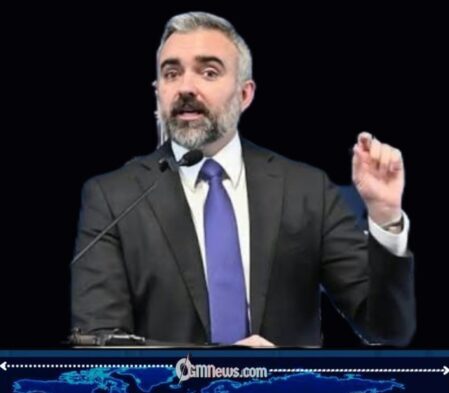
Vice President JD Vance also reinforced Washington’s influence by emphasizing that much of Israel’s defensive capability has been developed with significant American financial and military support. His remarks were widely interpreted as a reminder that close cooperation remains essential even during periods of disagreement. Analysts generally caution that public disagreements between Washington and Jerusalem are not unprecedented, but the combination of regional conflict, diplomacy with Iran and Netanyahu’s domestic political challenges has made this period especially significant.
The US-Israel Alliance remains one of the defining pillars of Middle East geopolitics, and there is currently no official indication that the United States intends to abandon Israel. However, recent events suggest Washington may be signaling that continued support does not necessarily mean unconditional agreement. OGM News will continue monitoring diplomatic developments, negotiations with Iran and evolving relations between President Donald J. Trump and Prime Minister Benjamin Netanyahu as this story develops.

Logging in is a breeze and the site stability is amazing even during peak hours....