




















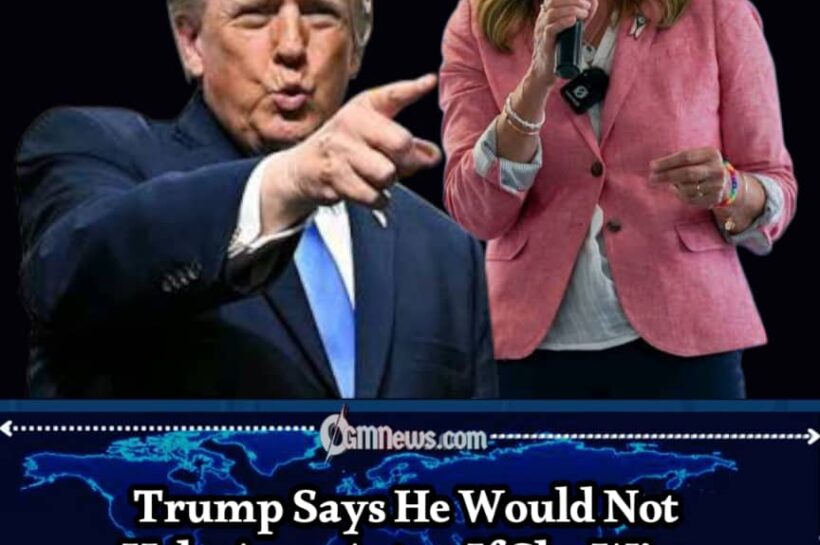



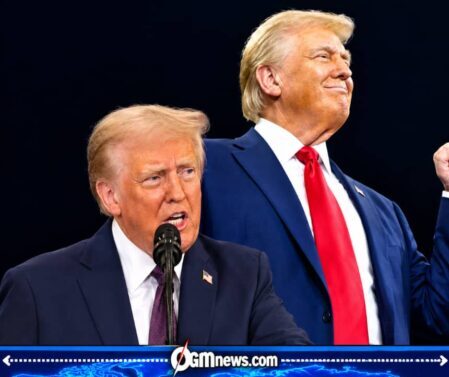
The Midterm Convention is poised to reshape the Republican campaign strategy after President Donald J. Trump announced that the party will hold its first-ever national convention before the congressional midterm elections. Scheduled for September 9 and 10 in Dallas, the unprecedented gathering is designed to energize Republican supporters, spotlight the administration’s record, and build momentum before Americans decide which party will control Congress. While supporters describe the event as historic, critics view it as a high-risk political experiment at a time when public opinion remains deeply divided.
Historic Political Strategy and Republican Mobilization
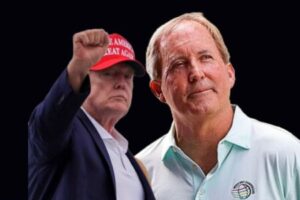
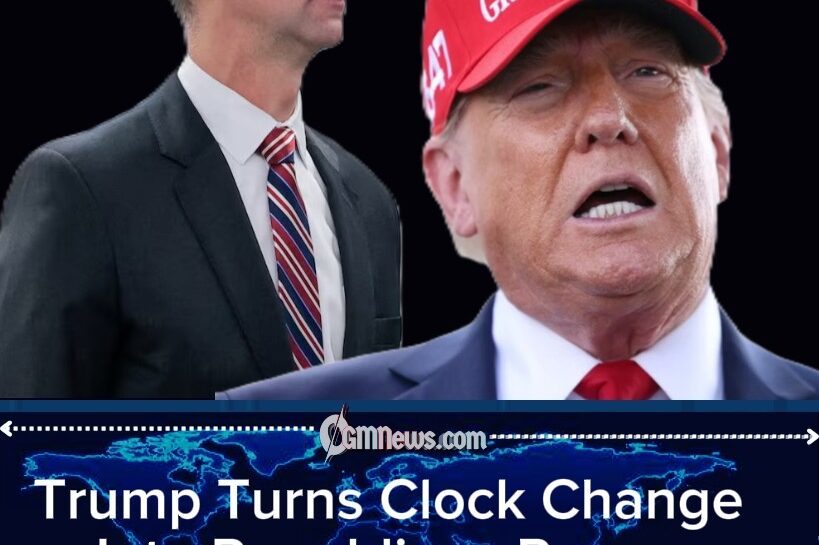
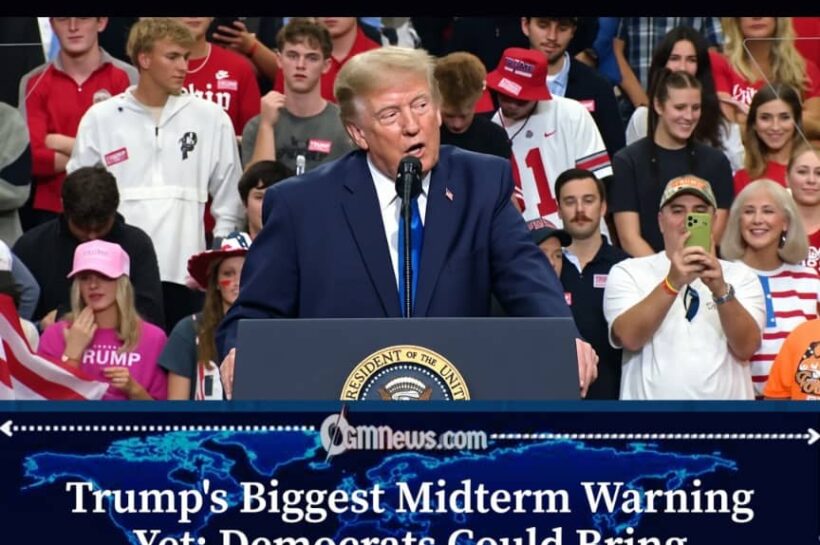
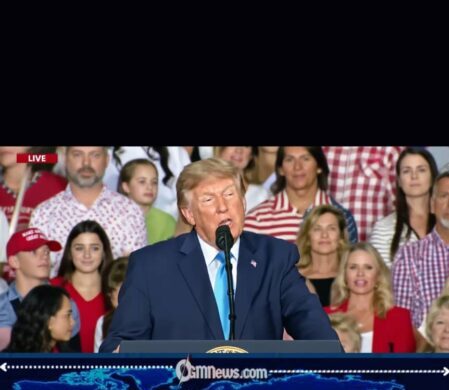
The Midterm Convention represents a significant departure from modern American political tradition, where national conventions have almost exclusively been reserved for presidential election years. President Trump described the Dallas gathering as a historic occasion featuring major speeches and entertainment while presenting it as an opportunity to highlight what his administration considers key achievements since returning to the White House in 2024. Republican leaders argue the convention will strengthen party unity and encourage voter turnout in what is expected to be a fiercely contested election.
The decision reflects growing concern within Republican circles over the historical tendency for the president’s party to lose congressional seats during midterm elections. With Republicans defending narrow majorities, party officials hope the convention will motivate supporters while reinforcing the America First agenda. Texas also provides a politically symbolic backdrop, as the state’s competitive Senate race and ongoing congressional redistricting debates have become national focal points ahead of November’s elections.
Broader Political Stakes and Midterm Convention National Implications
The broader political environment makes the Midterm Convention an unusually significant development. Earlier this year, the Republican National Committee amended its rules to permit a national convention outside the traditional four-year presidential cycle, creating the procedural pathway for the Dallas event. Democratic leaders have chosen not to organize a similar gathering, saying they prefer to invest resources in strengthening state and local campaign operations instead. Although uncommon today, both major parties experimented with midterm conferences during previous decades before abandoning the practice.
Political analysts suggest the convention will serve as a test of whether large-scale national campaign events can meaningfully influence congressional elections. Recent polling has indicated that concerns about the economy remain central to voters, while approval ratings for President Trump have faced pressure despite his continued popularity among Republican voters. At the same time, competitive races—including Texas’ closely watched Senate contest—could determine control of Congress, giving every campaign strategy added importance. If the Dallas convention succeeds in boosting enthusiasm and fundraising, it may permanently alter how future midterm campaigns are organized by both major political parties.
As September approaches, expectations surrounding the Midterm Convention continue to grow. Whether the gathering becomes a defining moment in modern campaign strategy or simply an ambitious political experiment will ultimately depend on voter response in November. OGM News will continue monitoring developments, their impact on congressional races, and whether this historic approach reshapes future American elections.
[…] […]