











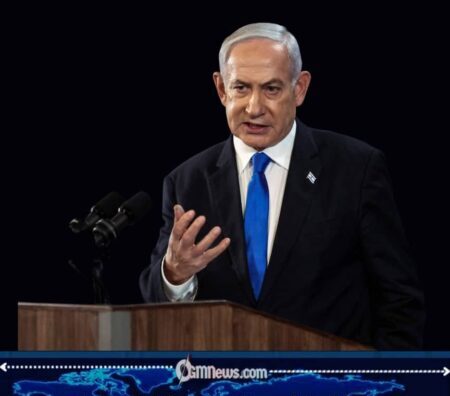
U.S. Aid has become the latest flashpoint in discussions about Israel’s future after Prime Minister Benjamin Netanyahu argued that the country should gradually reduce its dependence on American military assistance. Presenting Israel as an economy and military power capable of carrying more of its own security burden, Netanyahu stopped short of announcing an immediate end to existing agreements but suggested that the long-term objective should be greater financial and defense independence. The remarks have generated widespread debate over whether the proposal represents strategic confidence, political messaging, or the beginning of a major shift in U.S.-Israel relations.
Netanyahu’s Bold Self-Reliance Push Could Reshape U.S.-Israel Relations
Netanyahu’s comments reflect a broader vision of expanding Israel’s domestic defense industry rather than abruptly ending cooperation with the United States. He has argued that Israel should develop an independent armament network capable of producing more of the equipment needed for national security, reducing long-term reliance on foreign military financing while continuing close strategic cooperation with Washington.
The proposal does not cancel the current U.S. military assistance framework. The existing Memorandum of Understanding provides approximately $3.8 billion annually in military assistance through 2028. Netanyahu’s recent statements instead point toward gradually reducing that dependence over the coming years as Israel’s economy and defense manufacturing capacity continue to expand.
Netanyahu’s Aid Remarks Ignite Debate Over the Future of U.S.-Israel Partnership
The discussion comes at a time when both Israeli and American policymakers are reassessing the future of their long-standing security relationship. Military cooperation between the two countries extends well beyond direct financial assistance, including intelligence sharing, joint technological development, missile-defense collaboration, and regional security coordination. Analysts therefore note that reducing financial aid would not necessarily signal an end to the strategic alliance itself.
Netanyahu’s position also reflects Israel’s growing confidence in its economy and globally recognized defense technology sector. However, experts caution that military self-reliance presents significant financial and industrial challenges, particularly during periods of heightened regional tension. As debate continues, the central question is no longer whether Israel values its partnership with the United States, but how that partnership may evolve once current aid agreements approach expiration.
For now, U.S. Aid remains firmly in place, and no immediate policy change has been announced. What Netanyahu has introduced is a long-term conversation about balancing national self-reliance with one of the world’s most significant strategic alliances. OGM News will continue monitoring developments as policymakers on both sides weigh what the next chapter of U.S.-Israel defense cooperation could look like.
Navigating through slot games used to feel overwhelming but this login portal makes everything so...