













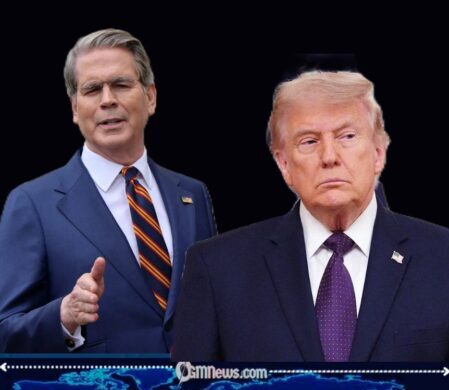
Gas Prices have become the center of an unusual political campaign as President Donald Trump and Treasury Secretary Scott Bessent publicly urge gasoline retailers to reduce prices ahead of the United States’ 250th Independence Day celebrations. With millions expected to travel during the July 4 holiday, the administration argues that falling global oil prices should translate into immediate relief for consumers, while warning retailers that their pricing decisions are being closely monitored.
Trump Administration Tells Fuel Sellers: Americans Deserve Cheaper Gas
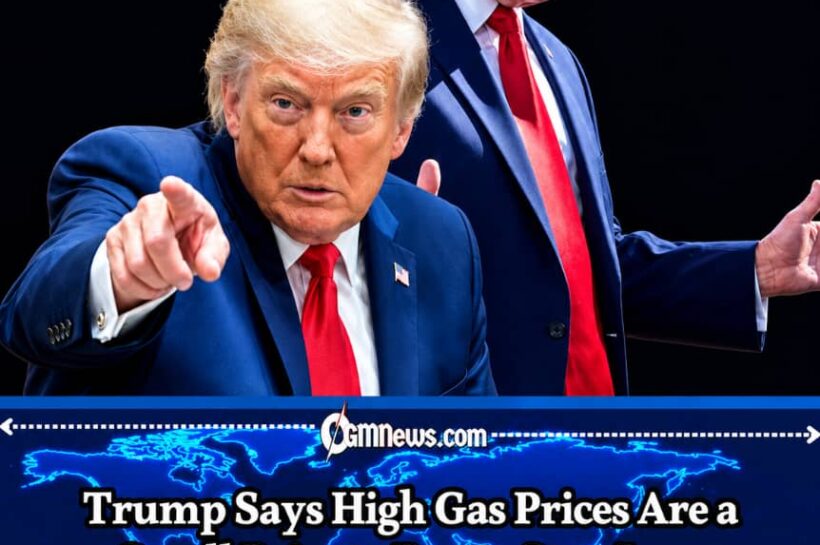
The latest warning came after Treasury Secretary Scott Bessent encouraged gasoline retailers—including major oil company outlets, independent stations and international convenience chains—to lower prices in what he described as an opportunity to be “good actors” during the nation’s historic anniversary. He reinforced President Donald Trump’s earlier message that retailers should aim for gasoline prices around $2.50 per gallon, adding that the administration is “watching.”
Trump administration maintains that recent declines in global crude oil prices should now be reflected at filling stations across the country. The comments represent an unusually direct appeal from senior government officials to private retailers over consumer fuel prices. Although the statements carry political weight, fuel prices remain influenced by wholesale supply contracts, refining costs, transportation expenses, taxes and regional competition, meaning changes at the pump do not always occur immediately after crude oil prices fall. A satirical observer might say America’s birthday candles now appear to be fueled by economics as much as patriotism.
Gas Stations Caught Between Market Forces and Presidential Demands
The backdrop to Trump administration’s campaign extends beyond domestic politics. Oil prices climbed sharply earlier this year after military strikes involving the United States, Israel and Iran heightened fears of supply disruptions across the Middle East. More recently, an initial agreement aimed at reducing tensions has helped ease global oil prices, strengthening the administration’s argument that motorists should begin seeing relief at service stations.
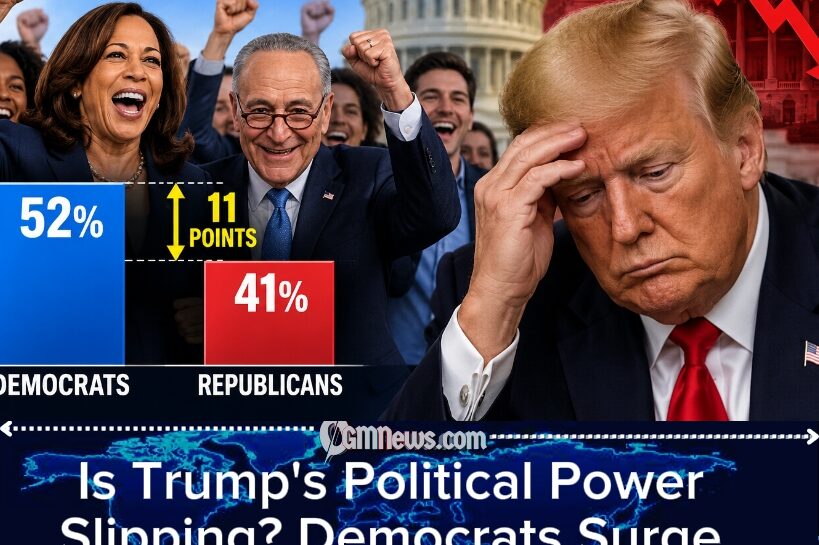
Energy analysts have long noted that gasoline prices generally lag movements in crude oil because retailers often sell fuel purchased at earlier wholesale prices while accounting for refining margins, transportation, storage and local market dynamics. At the same time, high fuel prices remain a politically sensitive issue as consumers continue to express concern over household costs and lawmakers prepare for November’s congressional elections. Trump administration’s public pressure therefore reflects both economic messaging and broader political stakes surrounding affordability.
As Americans prepare to celebrate the nation’s 250th birthday, Gas Prices have unexpectedly become part of the national conversation alongside fireworks and patriotic events. Whether retailers respond with noticeable price reductions remains to be seen, but the episode illustrates how energy costs continue to influence public sentiment, economic policy and political debate. OGM News will continue monitoring developments as holiday travel unfolds and market conditions evolve.
Navigating through slot games used to feel overwhelming but this login portal makes everything so...