








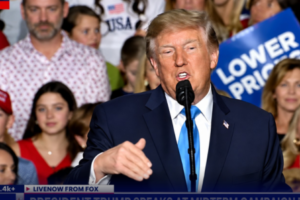




















The Federal Reserve has emerged at the center of one of the most consequential constitutional disputes in modern American governance after the U.S. Supreme Court, in a narrow 5-4 ruling, rejected President Donald Trump’s unprecedented attempt to remove Federal Reserve Governor Lisa Cook from office. The decision keeps Cook in her position while her legal challenge proceeds, marking the first time since the Federal Reserve was established in 1913 that a president has attempted to dismiss a sitting governor. The ruling immediately intensified debate over the limits of presidential authority and the importance of protecting institutions responsible for monetary policy.
Trump’s Power Meets Its Limit as Supreme Court Shields Federal Reserve
The legal dispute began after President Trump sought to remove Lisa Cook, citing allegations of mortgage fraud that Cook has denied. Lower federal courts blocked the dismissal, concluding that the statutory protections governing Federal Reserve governors required additional legal safeguards before removal. The Supreme Court declined to lift those protections, allowing Cook to remain in office while the broader legal challenge continues.
The Federal Reserve occupies a unique place in the American system of government because its governors serve long, staggered terms designed to shield monetary policy from short-term political influence. By preserving Cook’s position during ongoing litigation, the Court reinforced the longstanding principle that interest-rate decisions and financial stability should remain insulated from immediate political pressure, even as broader questions over presidential removal authority continue to be debated.
Can Any President Control the Federal Reserve? Supreme Court Sends a Powerful Message
The Lisa Cook case carries implications far beyond one official. On the same day, the Supreme Court expanded presidential authority over several other independent federal agencies, making the Federal Reserve a notable exception. That distinction suggests the justices continue to view the nation’s central bank differently because of its critical role in managing inflation, employment, financial markets, and broader economic stability.
Legal analysts note that Monday’s decision does not permanently resolve whether a president may remove a Federal Reserve governor under specific circumstances. Instead, the ruling preserves existing protections while the underlying lawsuit proceeds. Chief Justice John Roberts’ majority opinion emphasized procedural protections and the Federal Reserve’s historic independence, while dissenting justices argued that broader presidential removal powers should apply. The case is therefore expected to remain an important reference point in future constitutional debates over executive authority and independent agencies.
The ruling represents both a legal and institutional milestone. While President Donald Trump retains broad executive powers in many areas, the Supreme Court’s decision signals that the Federal Reserv continues to enjoy a unique level of judicial protection rooted in its statutory design and economic importance. As litigation continues, OGM News will closely follow future court proceedings, policy implications, and any developments that could reshape the relationship between the White House and America’s central bank.


Ae888covenuscasino, okay, I'm curious. Gonna check out this site and try to find some amazing...