


























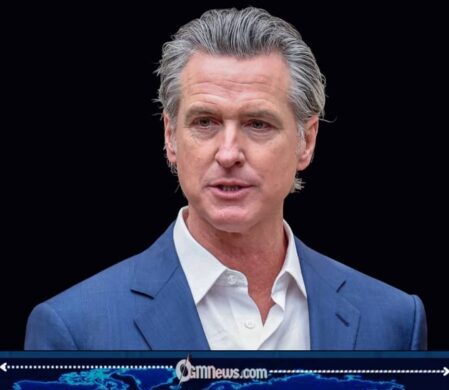
The Billionaire Tax debate has erupted once again after California Governor Gavin Newsom called for a national tax on billionaires, declaring that the United States needs an “economic reset.” The proposal immediately reignited one of the country’s most polarizing economic discussions, with supporters arguing that the wealthiest Americans should contribute more to public investment, while critics contend the plan risks discouraging innovation, investment, and economic growth. As political tensions continue to rise, the latest proposal has transformed tax policy into yet another high-stakes national battleground.
Economic Reset Message Reignites U.S. Tax Reform Discussion
Newsom’s proposal is built around the argument that America’s expanding wealth gap requires structural reform rather than temporary solutions. According to the proposal, the nation’s richest individuals should pay a greater share in taxes to help finance education, healthcare, infrastructure, housing, and other public services. By describing the initiative as an Economic Reset, Newsom framed the debate around long-term fiscal sustainability and economic fairness instead of simply raising government revenue.
The proposal arrives as economic inequality continues to dominate public policy discussions across the United States. Although billionaires already pay taxes through income, capital gains, and other mechanisms, advocates argue that existing tax rules often allow the ultra-wealthy to accumulate enormous wealth while paying relatively lower effective tax rates than many middle-income earners. Opponents counter that wealth taxes present serious constitutional, administrative, and economic challenges that could ultimately reduce investment and encourage capital flight.
America’s Richest Face New Tax Push as Wealth Battle Intensifies
The Billionaire Tax discussion is not entirely new. Several Democratic lawmakers have previously introduced proposals targeting extreme wealth, while economists remain divided over whether annual wealth taxes or reforms to capital gains taxation would prove more effective. Similar wealth-tax models have been attempted in several European countries, producing mixed results, with some nations later abandoning them because of administrative complexity and concerns about capital leaving their economies.
The renewed debate also unfolds against broader concerns about government deficits, rising public debt, and persistent demands for increased investment in infrastructure and social programmes. While supporters argue that asking billionaires to contribute more represents a fair adjustment to an evolving economy, critics maintain that economic growth is better supported through investment incentives and broader tax reform rather than taxes focused on accumulated wealth. As the political conversation develops, the proposal is expected to remain a defining issue in debates over fiscal policy and economic inequality.
The Billionaire Tax proposal may ultimately face significant legal and political hurdles before becoming national policy. Nevertheless, by placing Economic Reset at the centre of the conversation, Newsom has ensured that questions surrounding wealth inequality, tax fairness, and government priorities will remain firmly on America’s political agenda. OGM News will continue monitoring developments as policymakers, economists, businesses, and voters weigh the future of one of the country’s most contentious economic proposals.


[…] […]