
























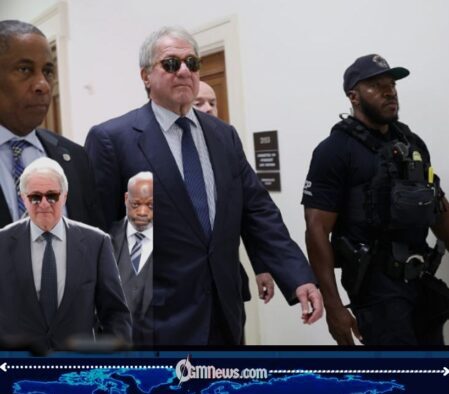
The Leon Black Epstein hearing has escalated into a political flashpoint after the billionaire investor abruptly walked out of a closed-door congressional session, reportedly refusing to answer questions tied to non-disclosure agreements (NDAs). The Epstein hearing quickly shifted from a routine inquiry into a tense standoff, raising fresh concerns about transparency, elite financial networks, and the limits of congressional questioning power.
Lawmakers behind the session described a rapidly deteriorating atmosphere as questions intensified, ultimately culminating in Black’s exit. The incident has added renewed attention to how far investigators can push witnesses connected, directly or indirectly, to the sprawling Epstein-related financial ecosystem.
Closed-Door Confrontation and NDA Resistance
Inside the hearing room, the Leon Black exchange reportedly centered on his previous business dealings and the use of NDAs, which lawmakers believe may have shielded sensitive interactions from public scrutiny. The Epstein hearing was conducted behind closed doors, but multiple sources suggest repeated refusals to provide detailed responses triggered growing frustration among committee members.
Witness accounts indicate that Leon Black maintained a firm stance, declining to elaborate on specific contractual arrangements. The situation reportedly reached a breaking point when questioning persisted, leading to his decision to leave the session entirely rather than continue engaging under those conditions.
Expanding Scrutiny and Political Repercussions
Beyond the immediate incident, the Epstein hearing is now being viewed as part of a broader attempt to map out financial and institutional relationships linked to Epstein’s network. The Leon Black walkout has intensified calls from some lawmakers for stricter compliance measures and reduced tolerance for partial disclosures in sensitive investigations.
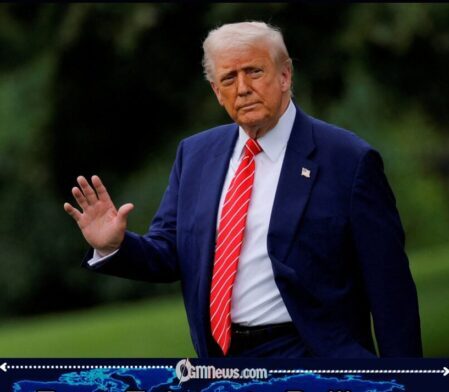
Political analysts note that the current administration under President Donald J. Trump has also faced pressure to ensure full cooperation across federal channels as public demand for transparency grows. While no direct accusations were made during the session, the optics of a high-profile exit have amplified speculation and public scrutiny.
Background checks into similar congressional hearings show that NDA-related resistance is not uncommon in high-stakes financial testimonies, particularly where private settlements or reputational protections are involved. However, critics argue that such practices can obstruct efforts to fully understand the extent of elite-level connections in long-running investigations.
As the Epstein hearing continues to unfold, lawmakers are expected to revisit procedural rules governing witness compliance, while further subpoenas and follow-up sessions remain on the table. What happens next may determine whether this moment becomes a procedural setback—or a turning point in congressional oversight of financial secrecy.
The Leon Black episode at the Epstein hearing underscores the ongoing tension between private financial confidentiality and public accountability. As investigators continue to probe the limits of NDAs and elite networks, the Epstein hearing is likely to remain a focal point of scrutiny, with further developments expected as lawmakers push for clearer answers and stronger compliance mechanisms.
[…] […]