



























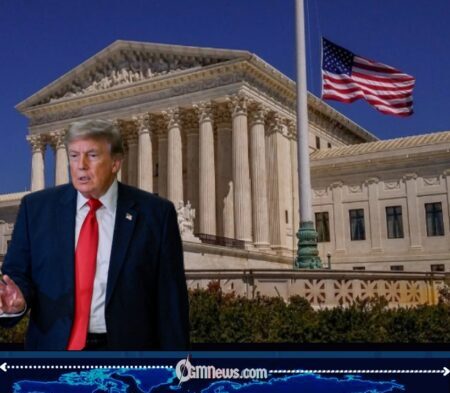
The issue of protected status and the legal boundaries of asylum access have been dramatically reshaped following a Supreme Court ruling that allows the administration of Donald J. Trump to terminate protections for hundreds of thousands of migrants. The decision immediately overturns lower court blocks and clears the way for one of the most significant immigration policy shifts in recent years, sending shockwaves through affected communities and global observers alike.
Supreme Court Judicial Ruling and Immediate Policy Impact
The Supreme Court ruled in favor of allowing the Trump administration to end protected status for approximately 350,000 Haitians and 6,100 Syrians who had been permitted to remain in the United States due to unsafe conditions in their home countries. The ruling reverses prior federal court decisions that had halted the termination of Temporary Protected Status, effectively restoring executive authority over the policy.
For many affected individuals, protected status has served as a lifeline for years, offering legal residency and work authorization while their countries faced instability, conflict, or disaster recovery challenges. The ruling now places these individuals in legal uncertainty, as their future in the U.S. depends on subsequent administrative actions and potential policy transitions.
Asylum Restrictions and Broader Supreme Court Legal Interpretation
In a parallel decision, the Court also ruled that migrants must physically enter U.S. territory before they can apply for asylum, reinforcing a stricter interpretation of border law that aligns closely with Trump administration enforcement priorities. This effectively limits asylum claims at entry points and strengthens control over border processing procedures.
The shift in asylum interpretation is expected to significantly affect how border agencies handle incoming migration flows, particularly at high-pressure entry points. Legal experts suggest this ruling may set a long-term precedent, narrowing access to humanitarian protection mechanisms and reinforcing territorial thresholds as a requirement for legal claims.
Beyond the immediate legal effects, the decision has reignited global debate over the balance between national sovereignty and humanitarian responsibility. Supporters argue that the ruling restores clarity and enforcement strength to immigration policy, while critics warn it may reduce access to protection for individuals fleeing conflict zones and natural disasters.
As governments and advocacy groups respond, attention now turns to how the administration will implement the termination of protected status and enforce the new asylum entry requirements. OGM News will continue to monitor developments as legal challenges, humanitarian responses, and policy adjustments unfold in the coming weeks.


[…] […]