

























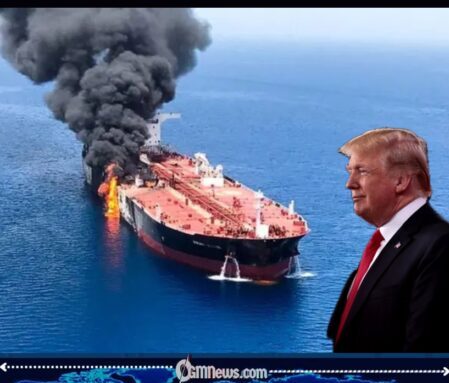
The Hormuz Attack has once again thrust one of the world’s most strategic maritime corridors into uncertainty after a Singapore-flagged commercial vessel was reportedly attacked in the Strait of Hormuz, raising fresh concerns over the security of international shipping and the prospects of restoring normal trade through the region. The latest incident comes at a delicate moment as diplomatic contacts between the United States and Iran are reportedly continuing, leaving governments and shipping companies watching closely to see whether renewed tensions will derail efforts to stabilize one of the world’s busiest energy routes.
Initial reports indicate that the attack has also prompted an immediate operational response from international authorities. The United Nations’ International Maritime Organization announced that it is pausing vessel evacuations along an alternative route following the incident, highlighting the broader safety concerns facing commercial shipping despite recent diplomatic efforts to reduce regional tensions.
The reported Hormuz Attack underscores how fragile maritime security remains in the Gulf despite hopes that shipping traffic could gradually return to levels seen before the recent conflict. Every security incident in the Strait of Hormuz carries global significance because roughly one-fifth of the world’s seaborne oil trade passes through the narrow waterway, making it one of the most strategically important maritime chokepoints on earth.
Although investigations into the latest attack are still ongoing, security analysts caution against drawing premature conclusions regarding responsibility until independent verification is completed. Maritime insurers, shipping operators, and energy markets are expected to closely monitor developments, as even isolated attacks can trigger higher insurance premiums, rerouting decisions, and increased transportation costs that ultimately affect global consumers.
HORMUZ ATTACK: Diplomacy And Respect To Other Neighbouring Country
The Hormuz Attack also places renewed pressure on ongoing diplomatic engagement between Washington and Tehran. While discussions aimed at easing tensions have reportedly continued, any escalation involving commercial shipping risks undermining confidence-building efforts and could complicate broader negotiations surrounding regional security and maritime stability.
In recent years, the Strait of Hormuz has repeatedly become a flashpoint during periods of heightened geopolitical rivalry involving Iran, the United States, and regional allies. Previous incidents involving commercial vessels have prompted multinational naval patrols, increased military deployments, and international calls for greater protection of civilian shipping. Maritime experts have consistently warned that even limited confrontations can have consequences extending far beyond the Gulf, influencing global energy prices, insurance markets, and international supply chains.
The International Maritime Organization’s decision to suspend vessel evacuations along an alternative route illustrates the cautious approach international authorities are taking while assessing the evolving security environment. Industry observers note that restoring confidence among commercial shipping companies may ultimately depend not only on military security but also on sustained diplomatic progress capable of reducing the likelihood of future confrontations.
As investigations continue and governments assess the implications of the latest Hormuz Attack, attention will remain focused on whether diplomacy can prevent further escalation and reassure the international shipping industry that one of the world’s most vital maritime corridors can once again operate safely. OGM News will continue monitoring official statements, maritime security developments, and diplomatic efforts as more verified information becomes available.



[…] […]