





















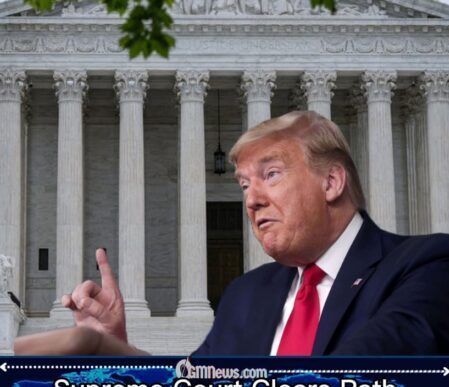
Temporary Protected Status (TPS) has become the center of one of the most consequential immigration rulings in recent years after the U.S. Supreme Court allowed President Donald J. Trump’s administration to move forward with ending deportation protections for hundreds of thousands of Haitians and Syrians. The decision not only affects the immediate future of those covered by the program but also raises larger questions about the balance of power between the executive branch and the federal courts. What appears to be a technical legal ruling may ultimately reshape the future of humanitarian immigration protections across the United States.
Temporary Protection Base (TPS) On The Law Of United States
The Supreme Court’s ruling effectively clears the way for the Department of Homeland Security to terminate Temporary Protected Status, commonly known as TPS, for more than 350,000 Haitians and approximately 6,000 Syrians who had been permitted to live and work legally in the United States. The administration argued that TPS was always intended to be a temporary measure for individuals unable to return safely to their countries because of armed conflict, natural disasters, or other extraordinary circumstances. The court agreed that federal law largely shields these executive decisions from judicial review.
The ruling overturns lower-court decisions that had temporarily blocked the administration’s efforts. In a sharply divided decision, the court’s majority concluded that the governing statute gives broad discretion to federal immigration authorities. Dissenting justices warned that limiting judicial oversight could weaken safeguards designed to ensure lawful decision-making. The outcome marks a significant victory for the administration’s broader immigration agenda and could influence future disputes involving deportation protection programs.
Immigration Authority By The Court Of Law
The legal battle carries implications far beyond Haiti and Syria. Temporary Protected Status currently serves as a humanitarian safeguard for individuals from multiple countries facing severe instability. Analysts note that the ruling could affect how future administrations approach TPS designations and terminations, particularly because the court signaled that executive decisions in this area are largely insulated from federal court challenges. Some estimates suggest that as many as 1.3 million people across numerous countries could eventually feel the broader effects of this legal precedent.
The controversy is heightened by ongoing concerns about conditions in Haiti and Syria. Haiti continues to struggle with severe security challenges, while parts of Syria remain affected by years of conflict and political instability. Immigration advocates argue that ending deportation protection while such conditions persist creates humanitarian concerns. Supporters of the administration counter that Congress—not temporary executive programs—should determine long-term immigration solutions when temporary protections extend for many years. The debate has therefore evolved from a question about immigration policy into a broader argument over executive authority, judicial oversight, and legislative responsibility.
As implementation details emerge, affected families, employers, advocacy organizations, and lawmakers will be watching closely. The Supreme Court may have settled the immediate legal question surrounding Temporary Protected Status, but the political and humanitarian debate surrounding deportation protection appears poised to intensify. OGM News will continue monitoring developments, including potential congressional action, administrative directives, and any new legal challenges that could influence the future of TPS in America.

[…] […]