






















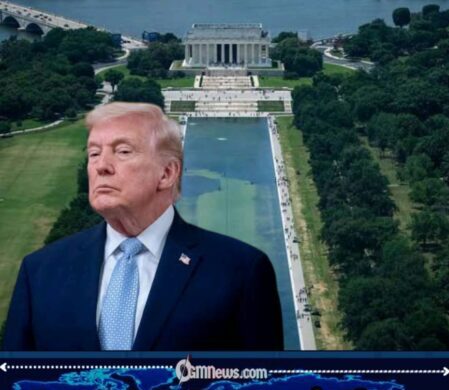
Reflecting Pool has once again become the center of a heated political dispute after President Donald J. Trump renewed his focus on alleged vandalism and criminal activity surrounding the iconic landmark. The latest comments have reignited a debate that extends far beyond a single public monument. Supporters argue that the president is drawing attention to legitimate concerns about protecting national treasures, while critics maintain that repeated references to vandalism are diverting attention from unresolved questions regarding restoration efforts and the overall condition of the site. As the controversy grows, the Reflecting Pool has become a symbol of a broader struggle over accountability, public perception, and political messaging.
The issue has attracted unusual attention because the Reflecting Pool occupies a prominent place in the nation’s capital and serves as one of America’s most recognizable public landmarks. What might otherwise be a routine maintenance matter has evolved into a recurring political storyline, fueled by presidential remarks and competing interpretations of events.
REFLECTING POOL CONTROVERSY RETURNS TO THE SPOTLIGHT
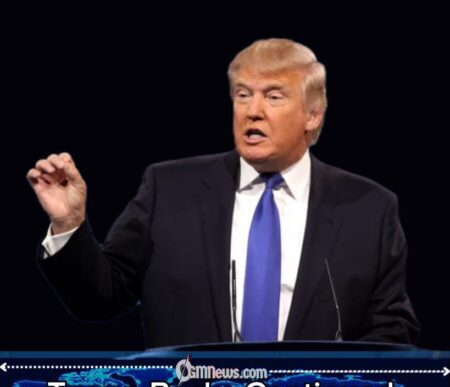
The latest round of comments follows previous statements from Trump emphasizing alleged vandalism and arrests connected to the landmark. The president has framed the matter as a law-enforcement issue, arguing that public spaces of national importance deserve protection from those who damage them.
Within the broader Reflecting Pool discussion, critics argue that public attention should also remain focused on questions surrounding renovation outcomes, project management, and maintenance challenges. While allegations of vandalism generate headlines, opponents contend that long-term stewardship of public landmarks deserves equal scrutiny.
PUBLIC PERCEPTION AND THE POLITICS OF LANDMARKS
Historic monuments and public spaces often become political flashpoints because they combine symbolism, taxpayer funding, and national visibility. Even relatively small disputes can quickly escalate into larger arguments about government competence and public accountability.
The broader Public Perception debate demonstrates how difficult it can be to separate infrastructure issues from politics. Supporters of the administration view criticism as politically motivated, while opponents argue that asking questions about public projects is a necessary part of democratic oversight. The result is a cycle in which every new statement generates another round of competing narratives.
Adding a touch of irony, a location designed to encourage quiet contemplation now regularly produces political turbulence. In Washington, it appears that even a pool intended for reflection can become a mirror reflecting the nation’s political divisions.
As OGM News continues following developments, the future of the Reflecting Pool controversy may depend less on rhetoric and more on evidence, transparency, and public confidence. Until then, Reflecting Pool will remain a phrase that evokes not only a national landmark but also an ongoing debate over accountability and public trust.

[…] […]