



















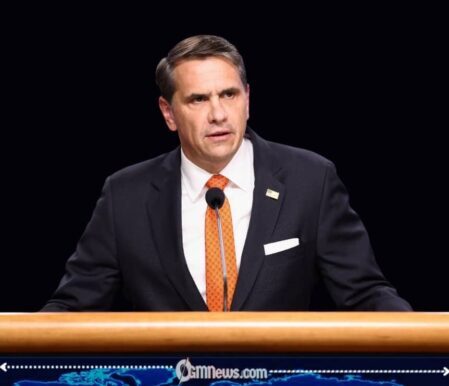
Fraudsters are at the center of a renewed federal enforcement campaign after U.S. Attorney General Todd Blanche declared that those exploiting government programs can no longer “rip off American taxpayers.” The statement comes as the Trump administration highlights a series of investigations, prosecutions, and policy initiatives aimed at reducing fraud involving taxpayer-funded programs. The announcement has generated attention not only because of its strong language but also because of the scale of recent enforcement actions involving billions of dollars in alleged losses.
The administration argues that fraud against public programs does more than waste money—it undermines confidence in government institutions and diverts resources away from legitimate beneficiaries. Supporters see the effort as an overdue response to years of abuse, while critics are closely monitoring whether enforcement remains balanced, transparent, and effective.
Fraudsters and Taxpayer Protection Take Center Stage
Blanche’s remarks were delivered as federal authorities promoted a broad anti-fraud agenda focused on protecting taxpayers from financial crimes involving public funds. Recent Justice Department announcements highlighted major investigations and prosecutions targeting alleged fraud schemes connected to healthcare and government benefit programs. Officials described the effort as one of the largest coordinated anti-fraud operations in U.S. history.
The administration has also established new structures intended to strengthen enforcement. Earlier this year, the Justice Department announced the creation of a National Fraud Enforcement Division, designed to coordinate investigations involving taxpayer-funded programs and improve cooperation among federal, state, tribal, territorial, and local authorities. According to federal officials, the objective is to identify fraud more quickly and recover funds before losses grow larger.
Fraudsters, Enforcement Expansion, and the Bigger Picture
The latest developments are part of a broader Trump administration initiative focused on eliminating fraud, waste, and abuse across federal programs. President Donald J. Trump established a government-wide Task Force to Eliminate Fraud, tasked with coordinating anti-fraud strategies involving housing, healthcare, food assistance, and other taxpayer-supported benefits. Administration officials argue that weaknesses in verification systems have created opportunities for organized fraud networks and other bad actors.
Additional reports indicate that federal authorities are pursuing thousands of active fraud investigations while lawmakers continue discussing legislative proposals aimed at reducing improper payments and strengthening oversight. At the same time, some legal experts have raised questions about whether shifting enforcement resources toward taxpayer-funded program fraud could affect attention given to other financial crimes. The debate reflects a broader challenge facing policymakers: how to maximize fraud prevention while maintaining balanced enforcement across the justice system.
As the administration continues to promote its anti-fraud agenda, the ultimate measure of success will likely be whether taxpayers see measurable reductions in waste and recoveries of misused funds. For now, Fraudsters remain the administration’s chosen target, and officials appear determined to make taxpayer protection one of the defining themes of federal law enforcement in the months ahead. OGM News will continue monitoring new investigations, prosecutions, and policy developments related to this evolving campaign.



перевод документов новосибирск