




















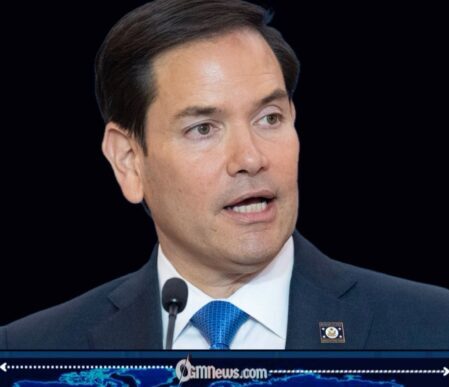
Iran peace deal negotiations have emerged as the defining issue in U.S. diplomacy this week as Secretary of State Marco Rubio embarks on a delicate mission to persuade Gulf Arab leaders that President Donald J. Trump’s proposed agreement with Tehran will strengthen, rather than weaken, regional security. While Washington has portrayed the framework as a pathway to lasting peace, reports indicate several Gulf allies fear the deal could hand Iran significant political and economic advantages without securing equally meaningful concessions on issues they consider essential. Rubio now faces the difficult task of convincing partners that a deal designed to prevent conflict will not unintentionally reshape the Middle East in Tehran’s favour.
Rubio Faces Growing Pressure to Reassure Gulf Allies
Marco Rubio’s diplomatic tour through the United Arab Emirates, Kuwait and Bahrain comes at a time when many Gulf governments are cautiously welcoming efforts to reduce tensions with Iran while privately questioning the direction of the proposed agreement. According to the latest reports, concerns centre on claims that the framework does not directly address Iran’s ballistic missile programme, despite missiles remaining one of the most pressing security challenges facing neighbouring Gulf states. For leaders who have spent years preparing for potential threats from across the Gulf, peace alone is not viewed as a substitute for credible security guarantees.
Another aspect drawing considerable attention is the reported proposal to establish an international reconstruction and economic development package for Iran worth hundreds of billions of dollars. Although the proposal remains under discussion and no final funding structure has been agreed upon, the idea has prompted questions about whether Tehran could emerge economically stronger while retaining much of its existing regional influence. In diplomacy, every promise carries a footnote, and every handshake is followed by someone searching for the fine print.
Regional Security and Global Oil Markets Remain at Stake
The Iran peace deal extends well beyond diplomatic negotiations, with potential consequences for international energy markets and Middle Eastern security. Gulf leaders remain particularly focused on the future of the Strait of Hormuz, one of the world’s busiest maritime corridors through which roughly one-fifth of global oil shipments pass. Any change in regional power dynamics or maritime security could have far-reaching implications for oil prices, global trade and economic stability. American officials have repeatedly assured allies that protecting freedom of navigation and maintaining regional deterrence remain key pillars of U.S. policy even as negotiations with Iran continue.
The broader regional context explains why Rubio’s mission is receiving such close scrutiny. Over the past two decades, disputes involving Iran’s nuclear ambitions, missile capabilities, proxy groups and maritime activities have repeatedly heightened tensions across the Middle East. While supporters of the current negotiations argue that diplomacy offers the best opportunity to prevent another costly conflict, critics believe a lasting agreement must address these broader security concerns alongside economic and nuclear issues. Otherwise, they warn, today’s peace initiative could become tomorrow’s source of renewed uncertainty.
The Iran peace deal will ultimately be judged not by the optimism surrounding its announcement but by the security and stability it delivers in the years ahead. As negotiations continue and Gulf leaders weigh Washington’s assurances against their own strategic calculations, the outcome of Rubio’s mission may determine whether the agreement becomes a landmark diplomatic achievement or another well-intentioned compromise struggling to earn the confidence of the region it seeks to stabilise. OGM News will continue to monitor developments as discussions evolve and more details emerge.
[…] […]