


























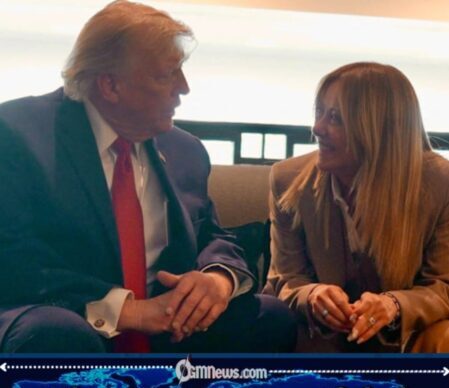
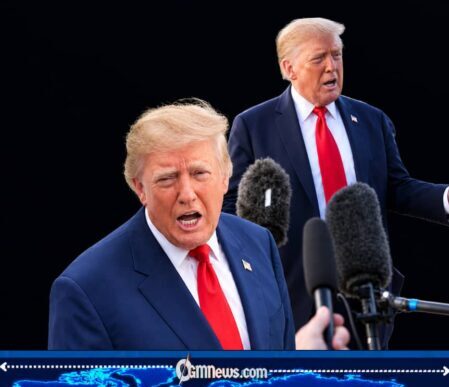
Meloni has forcefully rejected President Donald Trump’s assertion that she “begged” him for a photograph during the recent G7 summit, transforming what appeared to be a personal remark into a significant diplomatic controversy. The dispute has triggered an unusually strong reaction from Italian officials, raised questions about the state of U.S.-Italy relations, and exposed growing tensions between two leaders once viewed as close political allies.
The controversy intensified when Italy’s Foreign Minister Antonio Tajani cancelled a planned visit to the United States, calling Trump’s remarks serious and offensive. With political leaders from across Italy expressing support for Meloni, the episode has evolved far beyond a disagreement over a photograph and into a broader debate over national dignity, diplomatic respect, and the future direction of transatlantic relations.
Meloni’s Firm Rejection and Italy’s Unified Response
Meloni publicly dismissed Trump’s account as completely fabricated, stating that she was astonished by the comments. In a video statement, she argued that certain claims require an immediate response and insisted that neither she nor Italy seeks favors or validation from foreign leaders. Her remarks were among the strongest public criticisms she has directed toward Trump since he began his current presidency.
The reaction from Rome was swift. Foreign Minister Antonio Tajani cancelled a scheduled trip to the United States, while an associated business and scientific forum was also called off. Senior government figures, including ministers and political allies, rallied behind Meloni, framing the issue as an affront to the nation rather than merely a dispute involving an individual leader. The broad support reflected a belief among many Italian officials that the comments crossed a diplomatic line.
Trump, Strategic Friction and the Wider Diplomatic Context
The dispute did not emerge in isolation. Trump and Meloni have increasingly found themselves on different sides of several major international issues. While Meloni initially sought to position herself as a bridge between Washington and the European Union during Trump’s current presidency, differences over Iran, Ukraine, trade tariffs, and broader foreign policy priorities have complicated that effort.
Political analysts in Italy note that public opinion toward Trump has cooled compared with previous years, creating a different domestic environment for Meloni. Some observers argue that the confrontation may even strengthen her political standing by helping counter accusations that she was overly aligned with Washington. The unusually public nature of the disagreement has also highlighted a recurring challenge in modern diplomacy: when personal political narratives collide with the expectations of long-standing alliances, even seemingly minor comments can produce major diplomatic consequences.
For now, Meloni and Trump remain leaders of countries with deep historical, economic, and security ties. Yet this episode demonstrates how quickly personal disputes can influence international relationships. OGM News will continue monitoring whether the controversy fades as political theater or becomes a lasting symbol of a changing relationship between Italy and the United States.

Logging in is a breeze and the site stability is amazing even during peak hours....