























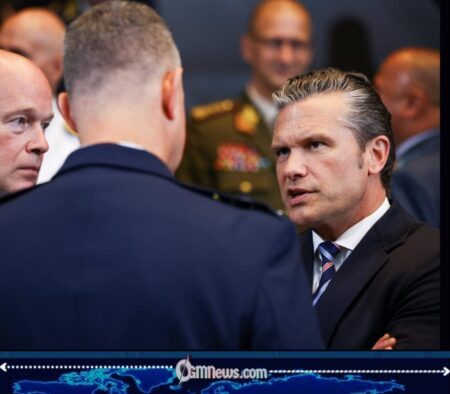
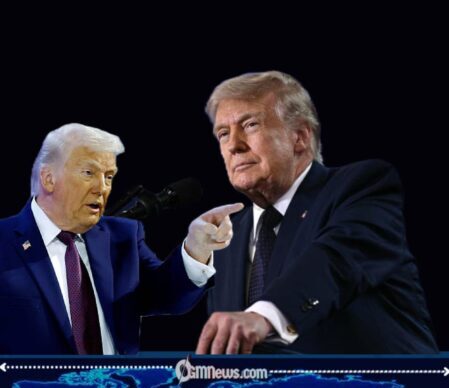
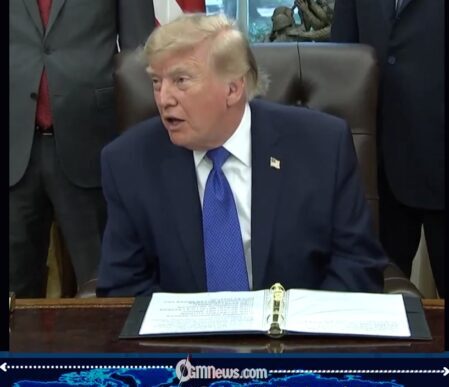
Pete Hegseth has been thrust into the center of a widening controversy following allegations that he influenced Armed Forces promotion decisions in ways that critics say undermined established merit-based systems. The claims, which originate from an investigative report citing multiple unnamed military insiders, suggest that senior officer advancement lists were altered or delayed under his oversight, raising concerns about fairness, transparency, and institutional integrity.
Pete Hegseth: Promotion Process Under Scrutiny
According to the allegations, several high-ranking officers reportedly experienced unexpected changes to their promotion outcomes after their names were removed or withheld from consideration. Insiders claim that these actions were not always aligned with performance evaluations or standard military review procedures, prompting frustration within parts of the defense establishment.
The report further suggests that internal resistance emerged from military officials who argued that the affected officers had strong service records and long-standing operational achievements. While no official confirmation has been independently verified, the claims have already sparked debate within defense and policy circles about how promotion authority is exercised at senior levels.
Institutional Debate and Wider Implications
The controversy has widened into a broader discussion about how influence, ideology, and leadership preferences may intersect within military administrative systems. Analysts note that promotion decisions in large defense organizations often involve multiple layers of review, making any perceived override of established recommendations particularly sensitive.
Supporters of stricter oversight argue that senior leaders must retain discretion in shaping command structures, while critics warn that such discretion must never override merit or established protocols. The situation has therefore become not just a question about Pete Hegseth, but about how military institutions maintain trust in their internal processes.
As scrutiny continues, attention is expected to focus on whether formal investigations, clarifications, or policy reviews will follow. For now, the controversy remains unresolved, with the Armed Forces facing renewed questions about how leadership decisions are made and whether the system can fully protect itself from perceptions of bias or undue influence.
Casinoabc999? Good Site. The interface is sleek, and there is a lot of stuff to...