










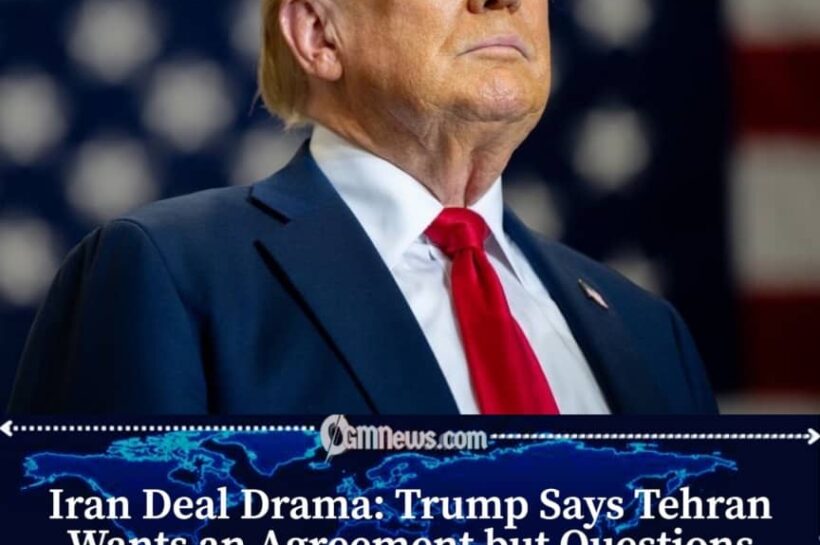














Spy Bill politics took center stage in Washington after President Donald Trump’s effort to tie a major surveillance measure to his voter ID agenda triggered an unusually public clash with Senate Republicans, exposing growing divisions within the party just months before crucial midterm elections. What began as a dispute over intelligence legislation has evolved into a broader test of political influence, legislative limits, and party loyalty. Behind the scenes, lawmakers from both parties are now questioning whether the White House’s strategy is helping advance policy goals—or complicating them.
Senate Republicans Push Back Against Trump’s Voter ID Demands
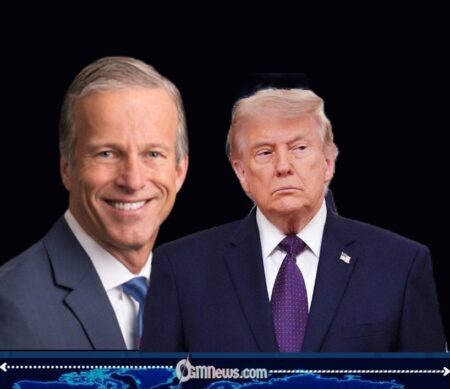
The immediate controversy emerged after Trump pushed Senate Republicans to attach the SAVE America Act, a voter ID and election-security proposal, to legislation involving the renewal of surveillance authorities under the Foreign Intelligence Surveillance Act (FISA). Senate Republican leaders resisted the demand, arguing that combining the measures would jeopardize passage of the surveillance bill and make bipartisan cooperation nearly impossible. Senate Majority Leader John Thune publicly suggested that the approach was unrealistic if lawmakers hoped to move the FISA legislation forward.
The dispute intensified further following Trump’s insistence on keeping Bill Pulte as acting intelligence chief despite bipartisan concerns regarding his lack of national security experience. The resulting controversy contributed to delays surrounding intelligence leadership decisions and fueled opposition from Democrats, who argued that intelligence agencies should remain insulated from partisan conflict. Several Republican senators also expressed frustration, with Senator Thom Tillis warning that the president had made a “colossal mistake” that could undermine the very legislative objectives he seeks to achieve.
Republicans Accuse Trump of Sabotaging His Own Agenda in Election-Year Clash
The broader significance of the Spy Bill confrontation extends beyond surveillance policy. Political analysts note that Senate Republicans are increasingly willing to challenge the White House as they confront competitive midterm races and shifting voter sentiment. Trump’s approval ratings have reportedly declined in recent months, creating additional pressure on lawmakers who must balance support for the president with local political realities. At the same time, concerns about inflation, foreign policy disputes, and legislative gridlock have added to the challenges facing both the administration and congressional Republicans.
The controversy surrounding Bill Pulte has become a symbol of that broader tension. Pulte’s appointment as acting director of national intelligence generated criticism from Democrats and some Republicans who argued that intelligence leadership requires specialized experience. The standoff contributed to delays involving Section 702 surveillance authorities and complicated efforts to build consensus on national security legislation. Analysts say the episode reflects a larger debate over institutional independence, with critics arguing that Congress is increasingly resisting efforts to treat legislative approval as a formality rather than a negotiation.
The Spy Bill battle may ultimately be remembered less for the legislation itself and more for what it revealed about Washington’s changing political dynamics. Senate Republicans who once moved largely in lockstep with the White House are demonstrating a greater willingness to push back, while the administration continues to test the limits of presidential influence. Whether the dispute ends in compromise or further confrontation, OGM News will continue monitoring how the Spy Bill saga shapes both national security policy and the political landscape ahead of the midterm elections.


ремонт фундамента кемерово