




























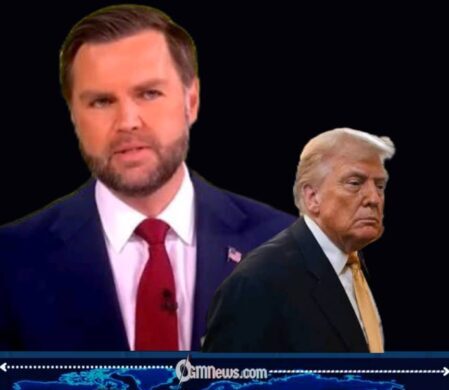
Epstein Files have once again become a focal point of national debate after Vice President JD Vance sought to reassure Americans that President Donald J. Trump is not concealing information related to the late financier Jeffrey Epstein. The Vice President’s remarks were intended to address persistent public suspicion surrounding government-held records connected to one of the most infamous criminal scandals in modern history. Yet the very need for such assurances highlights the challenge facing any administration attempting to navigate a controversy that continues to fuel speculation years after Epstein’s death.
Epstein Files remain politically explosive because the issue extends beyond any single individual. For many Americans, the controversy has become a broader test of institutional credibility, transparency, and accountability. As a result, even routine statements from public officials often attract extraordinary scrutiny and trigger renewed calls for additional disclosures.
A White House Response to Persistent Questions
The immediate controversy stems from Vance’s effort to counter suggestions that the administration is withholding information involving President Trump. The Vice President emphasized that there is no hidden evidence being protected and argued that accusations to the contrary are unsupported by verified facts.
Within the broader Epstein Files debate, however, skepticism remains deeply entrenched. Critics argue that public confidence can only be restored through the release of all records that can legally be disclosed. Supporters of the administration counter that endless speculation has created an environment in which every statement is treated with suspicion regardless of the evidence available.
Transparency in an Era of Distrust
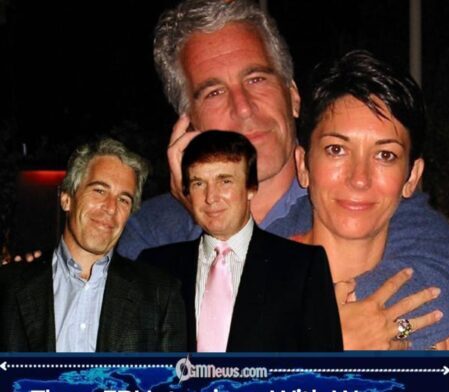
The Jeffrey Epstein case continues to occupy a unique place in public discourse because it intersects with longstanding concerns about wealth, influence, and elite connections. Even years after Epstein’s criminal activities became international news, questions about who knew what and when continue to generate intense public interest.
The broader Transparency discussion reflects a larger trend in modern politics. Governments increasingly face demands not only to act appropriately but also to prove that they are acting appropriately. In an age of social media, leaked documents, and competing narratives, official assurances alone often struggle to satisfy a public conditioned to expect complete disclosure.
Political analysts note that this dynamic creates a difficult environment for any administration. Every attempt to dismiss speculation can be interpreted by critics as insufficient, while every new disclosure can generate fresh questions rather than final answers. The result is a cycle that often sustains controversy instead of ending it.
As OGM News continues monitoring developments, one reality remains clear: the debate surrounding the Epstein Files is unlikely to disappear anytime soon. Whether future disclosures reduce public skepticism or deepen it further, the issue has evolved into a larger conversation about trust, accountability, and the limits of government transparency in the modern era.
Ae888covenuscasino, okay, I'm curious. Gonna check out this site and try to find some amazing...