




























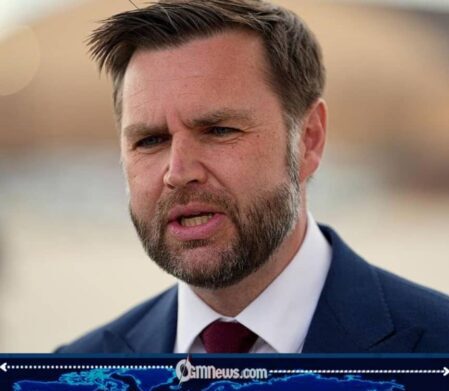
Netanyahu has found himself at the center of a rare public disagreement from Washington after U.S. Vice President JD Vance stated that the Israeli leader had “certainly gotten some things wrong” regarding regional tensions linked to Iran. The remark, delivered during a preview of a televised interview, has intensified scrutiny over the state of U.S.-Israel relations at a time when the Trump administration is pursuing diplomatic efforts aimed at reducing conflict and preventing further instability across the Middle East. While Vance reaffirmed Israel’s importance as a partner, his comments introduced an unusual degree of public distance that has immediately attracted international attention.
America First? Vance Warns Israel U.S. Will Choose Its Own Interests
Vice President Vance emphasized that the United States and Israel remain close allies but acknowledged that their interests are not always identical. He described Prime Minister Netanyahu as a leader who aggressively advances Israel’s national interests, adding that there are moments when Washington and Jerusalem are aligned and moments when they are not. According to Vance, whenever those interests diverge, the United States will prioritize the interests of the American people.
When asked directly whether Netanyahu had made mistakes in his dealings with Washington concerning Iran, Vance answered affirmatively but declined to provide examples, arguing that such discussions are better handled privately. Despite the criticism, he also described Netanyahu as a good partner and stressed that cooperation between the two countries would continue. The combination of criticism and reassurance has left analysts debating whether the remarks reflect tactical differences or a deeper policy shift.
Washington Seeks Stability as Iran Tensions Test Alliance With Israel
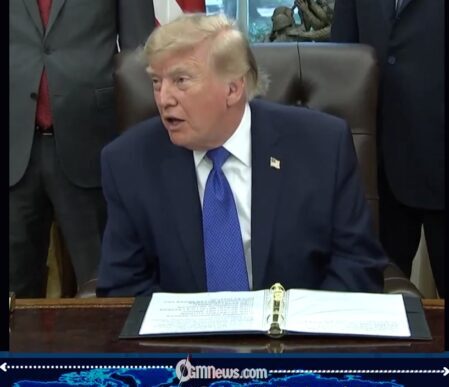
The Netanyahu controversy emerges against a broader backdrop of U.S. efforts to manage tensions involving Iran. Recent statements from senior administration officials have suggested that Washington remains focused on securing arrangements that would limit Iran’s nuclear ambitions and reduce the risk of a wider regional conflict. At the same time, President Donald Trump has publicly emphasized the importance of diplomacy while also maintaining pressure on Tehran.
Recent developments have highlighted occasional friction between American diplomatic objectives and Israeli military decisions. Reports surrounding disagreements over responses to Iranian actions have fueled speculation that Washington is increasingly willing to publicly assert its own strategic priorities, even when those priorities differ from those of Israel. Vance’s comments appear consistent with that approach, reinforcing the message that alliance does not necessarily mean complete agreement.
The significance of the remarks may ultimately depend on what follows. Diplomatic disagreements between allies are not unusual, but public acknowledgment of those disagreements at such a sensitive moment is far less common. For now, the Netanyahu-Iran discussion has become a symbol of a larger question facing the region: how the United States intends to balance support for longstanding partners while pursuing its own vision for stability. OGM News will continue monitoring developments as additional details emerge from the full interview and the evolving diplomatic landscape.


Ae888covenuscasino, okay, I'm curious. Gonna check out this site and try to find some amazing...