







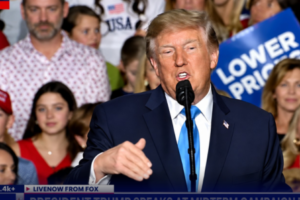


















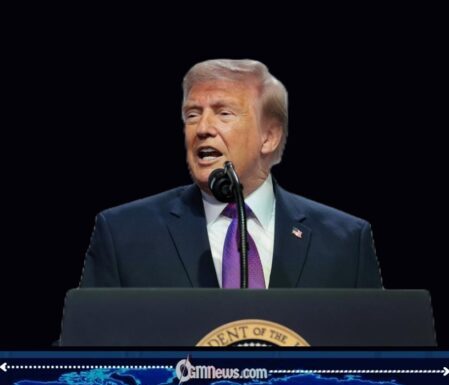
Inflation took center stage in Washington after President Donald J. Trump declared that he “loves the inflation” despite new figures showing U.S. consumer prices rising 4.2% annually, the highest level since April 2023. The statement immediately triggered debate because inflation has long been one of the most politically sensitive issues facing American households. Yet Trump insisted that the latest numbers reflected a broader strategy linked to oil flows, military operations, and the ongoing confrontation involving Iran.
Trump Says Inflation Will Fall Once War Ends
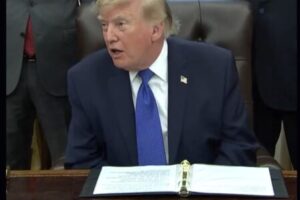
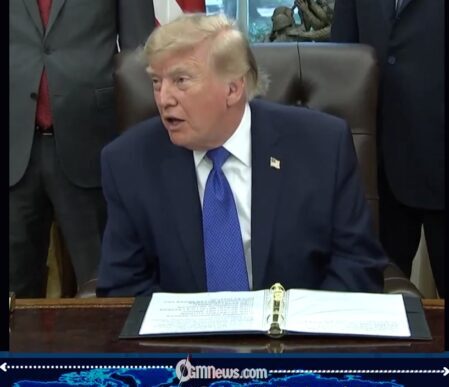
Speaking during an Oval Office exchange with reporters, Trump dismissed concerns about the latest Consumer Price Index report and argued that inflation would eventually fall once the conflict surrounding Iran is resolved. He claimed the United States has been facilitating the movement of millions of barrels of oil and suggested these actions have helped prevent even more dramatic increases in global energy prices. According to the president, oil prices could have climbed significantly higher without U.S. involvement.
The president also connected the inflation figures to developments in the Strait of Hormuz, one of the world’s most important energy transit routes. Trump later announced that military efforts had helped more than 200 commercial ships transport over 100 million barrels of oil through the strategic waterway. He argued that these operations demonstrated American control and influence over a critical global supply route.
Trump Links Inflation Surge to Oil Strategy in Strait of Hormuz
The broader context behind the controversy involves months of geopolitical tension surrounding the Strait of Hormuz, a passage through which a substantial portion of global oil supplies normally travels. Disruptions linked to the Iran conflict have repeatedly affected energy markets, contributing to higher fuel costs and broader inflationary pressure. Analysts note that rising energy prices accounted for a significant share of the recent increase in consumer inflation.
Economic experts remain divided on how quickly inflation might decline. While some indicators suggest that underlying price pressures outside energy remain relatively contained, many economists warn that prolonged instability in the Middle East could continue affecting fuel prices, transportation costs, and consumer confidence. The situation also places additional pressure on policymakers as debates continue over interest rates and economic management.
For now, the unusual image of a president publicly praising inflation has become almost as significant as the economic data itself. Whether Trump’s confidence proves justified will depend largely on the future path of inflation and oil markets, the outcome of negotiations involving Iran, and the ability of American consumers to weather higher costs. OGM News Nigeria will continue monitoring developments as the economic and political consequences unfold.
Casinoabc999? Good Site. The interface is sleek, and there is a lot of stuff to...