





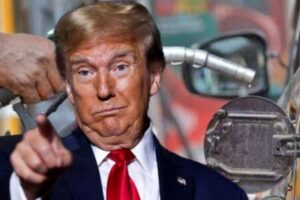
















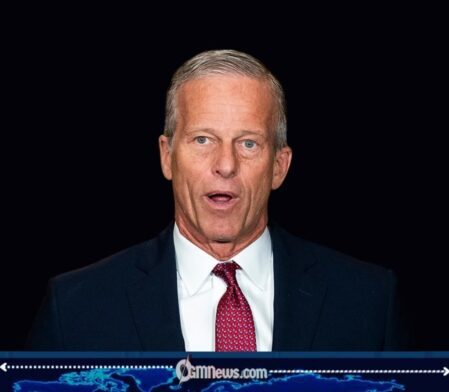
Gas Prices have emerged once again as a central political talking point after Senate Majority Leader John Thune suggested that voters are likely to base their midterm election decisions on whether economic conditions improve, particularly through lower fuel costs, easing inflation, and a reduced cost of living. The statement has reignited debate over whether modern elections are increasingly being decided not by ideology or campaign messaging, but by the economic realities confronting households every day.
With families continuing to monitor grocery bills, utility payments, and transportation expenses, Thune’s remarks tap into a political truth that has shaped numerous elections across decades. Yet the comment also raises a larger question: if economic indicators improve before voting begins, will voters reward the governing party, or have broader concerns already become entrenched in public opinion?
Midterm Strategy Revealed: Lower Gas Prices, Win Votes
Thune’s observation reflects a widely recognized political principle that voters often evaluate governments through economic performance. Fuel prices occupy a unique position in public perception because they are highly visible and frequently updated, making them one of the most immediate indicators people encounter in daily life.
The Senate leader argued that if Americans perceive a positive trajectory one in which inflation moderates, fuel costs decline, and economic pressures ease they may view governing leaders more favorably when midterm elections arrive. The statement effectively places economic outcomes at the center of political accountability, suggesting that improvements in everyday affordability could outweigh many traditional campaign narratives.
Thune Links Economic Improvement to Midterm Success
The focus on Gas Prices comes amid continuing national discussions about inflation, consumer confidence, and economic growth. Historically, governing parties have often faced electoral consequences when voters experience prolonged financial pressure, while periods of economic stability or improvement have tended to strengthen public support for incumbents.
Political analysts frequently note that fuel costs carry symbolic significance beyond transportation. Higher prices can affect shipping expenses, consumer goods, and broader perceptions of economic management. As a result, politicians from across the political spectrum often highlight energy prices when making arguments about economic stewardship. Under President Donald J. Trump’s administration, economic performance remains a central issue in national political discourse, with supporters and critics alike closely monitoring indicators that affect household finances.
As the midterm campaign season gradually approaches, Thune’s comments may prove to be more than a simple observation. If Gas Prices continue to dominate public conversations alongside inflation and affordability concerns, they could become one of the most influential factors shaping voter behavior. OGM News will continue monitoring economic developments and political reactions to determine whether the road to electoral success truly runs through the nation’s gas stations.

Casinoabc999? Good Site. The interface is sleek, and there is a lot of stuff to...