
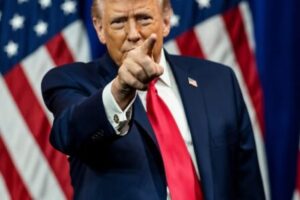




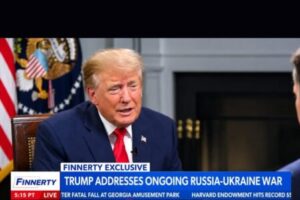
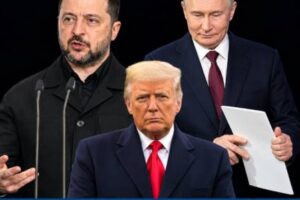









Trump–Netanyahu relations have become the center of a fierce political argument after Democratic Congresswoman Madeleine Dean accused Israeli Prime Minister Benjamin Netanyahu of influencing President Donald Trump’s approach to the Iran conflict. Her remarks have reignited questions about who is driving key foreign policy decisions and whether the United States risks becoming more deeply entangled in a volatile regional confrontation. As political tensions rise in Washington, the dispute is drawing renewed attention to the balance between military action and diplomacy in one of the world’s most dangerous flashpoints.
Congresswoman Accuses Trump of Ignoring Experts in Iran Showdown
Madeleine Dean, a member of the House Foreign Affairs Committee, publicly criticized President Trump’s handling of the Iran conflict, arguing that the administration has moved too far toward military escalation and away from diplomatic engagement. According to Dean, Netanyahu played a significant role in influencing the administration’s decisions, resulting in policies that could increase the risk of wider regional instability.
The congresswoman also questioned the expertise behind recent foreign policy decisions, arguing that experienced diplomats and foreign policy professionals should play a greater role in shaping America’s international strategy. Her comments reflect a broader concern among some lawmakers who believe that military responses alone cannot resolve the complex political and security challenges involving Iran, Israel, and the wider Middle East. Similar concerns have been raised in congressional debates over presidential war powers and the need for greater oversight of military actions.
Concerns Grow Over U.S. Role in Expanding Iran Conflict
The Trump–Netanyahu debate comes against a backdrop of long-running tensions surrounding Iran’s nuclear ambitions, regional influence, and security concerns involving Israel and the United States. Analysts and lawmakers have repeatedly warned that escalating military actions could trigger broader consequences affecting global energy markets, regional stability, and civilian populations. Calls for de-escalation and renewed diplomatic engagement have emerged from several political figures concerned about the risks of a prolonged conflict.
Recent political disputes have also focused on how much influence allies should have over American foreign policy decisions. While supporters of close U.S.-Israel cooperation argue that coordination is necessary to address shared security threats, critics contend that Washington must maintain independent strategic judgment. Reports and public commentary surrounding the Iran crisis have frequently highlighted disagreements over whether diplomacy, military deterrence, or a combination of both offers the most effective path forward.
The controversy surrounding the Trump–Netanyahu relationship is unlikely to fade soon. As Congress continues examining America’s role in the Iran conflict, the debate will extend beyond a single political disagreement and into larger questions about war powers, diplomatic strategy, and the future direction of U.S. foreign policy. OGM News will continue monitoring developments as lawmakers, allies, and international observers weigh the costs and consequences of further escalation in the Iran conflict.


mjpKyJqtopJmUkjsHEeNp