


























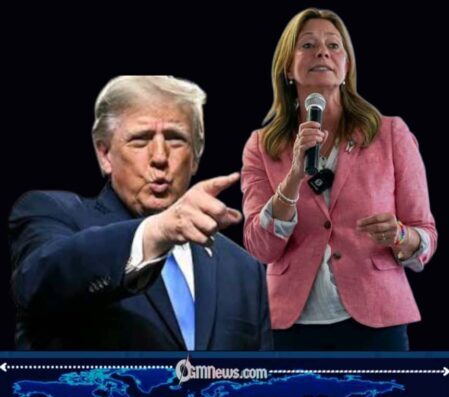
Pulte qualifications have become the center of a growing political storm after Senator Mitch McConnell issued a pointed statement that many interpreted as a direct challenge to President Donald Trump’s decision to appoint Bill Pulte as acting Director of National Intelligence. While McConnell avoided mentioning Pulte by name, his comments left little doubt about the target, raising fresh questions about whether one of the administration’s most surprising appointments can survive long-term scrutiny.
The controversy has attracted attention not only because of the importance of the intelligence position but also because criticism is coming from within the president’s own party. As Washington debates experience, loyalty, and legal requirements, the dispute is rapidly becoming one of the most closely watched personnel battles of the year.
Pulte Appointment Sparks Republican Revolt Over Qualifications
The dispute began after McConnell emphasized that the Director of National Intelligence is among the few Senate-confirmable positions with specific statutory eligibility expectations. He argued that anyone serving in such a role must possess extensive national security experience and declared that any nominee lacking those qualifications would not receive his vote. Although he stopped short of naming Pulte directly, the message was widely interpreted as a warning against any future attempt to make the appointment permanent.
The debate over Pulte qualifications stems from his professional background. Pulte currently leads the Federal Housing Finance Agency and oversees major housing-finance institutions. President Trump praised his management abilities and financial oversight experience when announcing the appointment. Critics, however, argue that experience in housing markets does not automatically translate into expertise overseeing the nation’s intelligence community and its many agencies.
Pulte Faces Harsh Reality Check as Critics Challenge Fitness for Office
Additional reporting indicates that concerns extend beyond McConnell. Several lawmakers from both parties have questioned whether the appointment reflects a preference for political loyalty over traditional national security credentials. The acting DNI oversees a broad intelligence network at a time when the United States faces significant geopolitical challenges involving Iran, Russia, China, and other international security concerns.
The controversy is also notable because McConnell previously opposed the confirmation of former Director of National Intelligence Tulsi Gabbard, citing concerns about judgment and preparedness. His latest comments suggest a consistent position that intelligence leadership should be held to a particularly high standard. Political analysts note that if Pulte were formally nominated for the role, the Senate confirmation process could become a major test of how much weight lawmakers place on professional experience versus presidential confidence.
For now, Pulte qualifications remain at the heart of a debate that extends beyond a single appointment. The dispute raises broader questions about how America selects leaders for critical national security positions and whether expertise, trust, or political alignment should carry the greatest influence. OGM News will continue monitoring developments as lawmakers, administration officials, and national security observers weigh in on a controversy that shows little sign of fading.

Hey VIPs! phwin88viplogin is where the high rollers play. The experience feels exclusive, and the...