


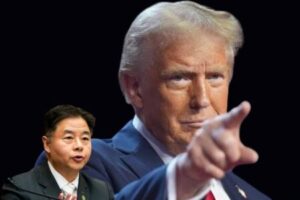


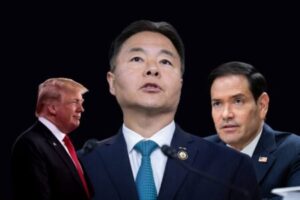


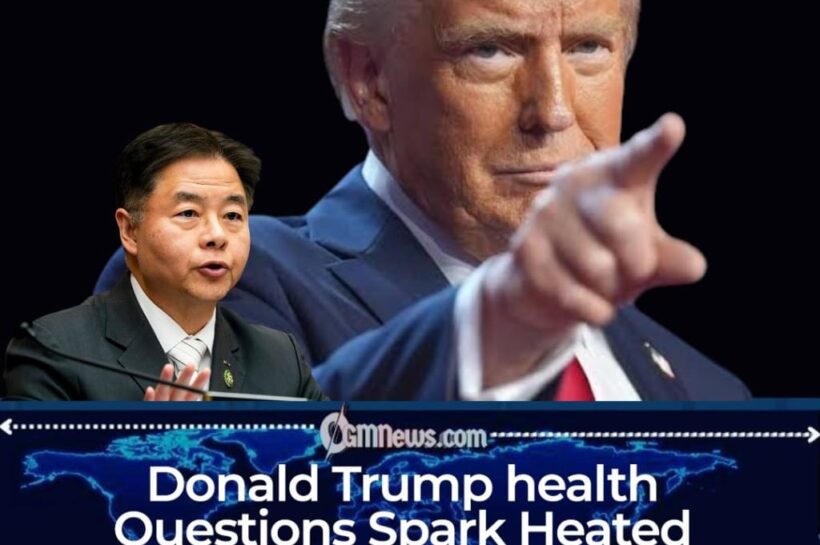
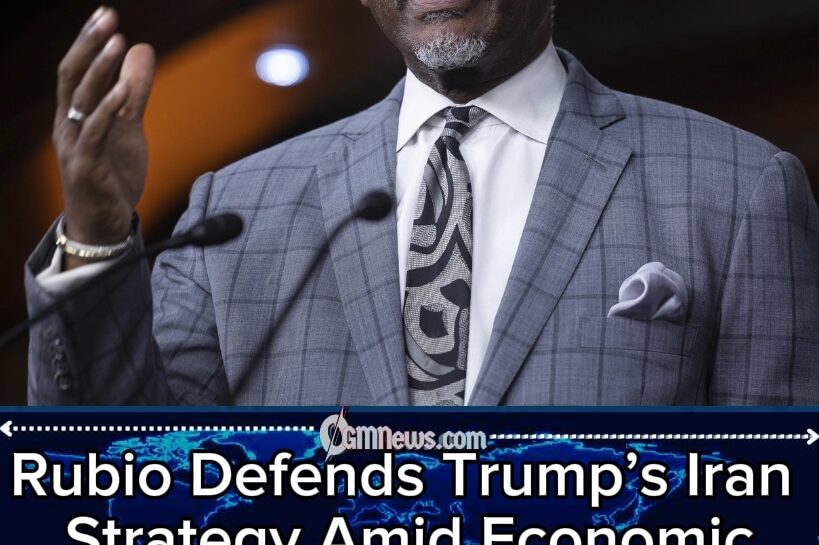
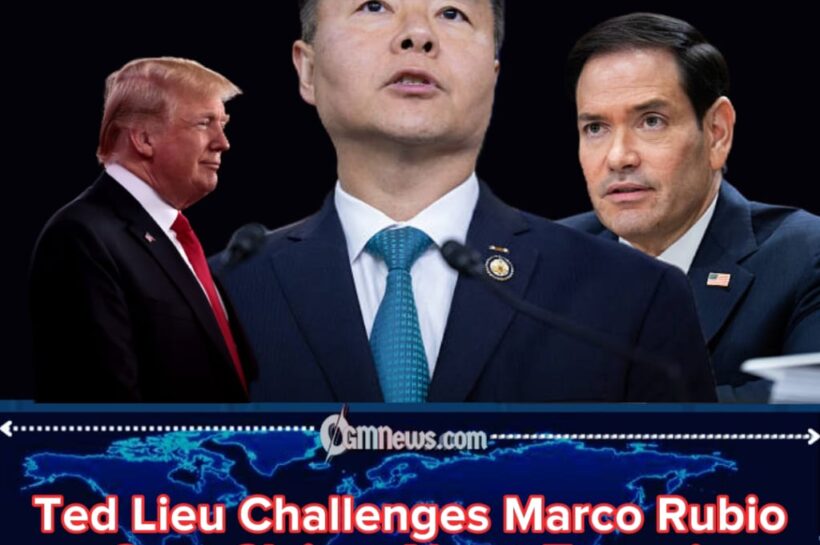




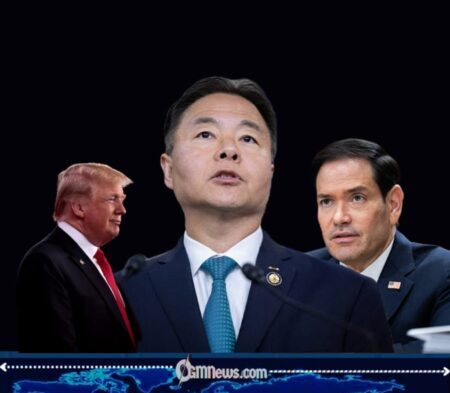
Representative Ted Lieu challenged remarks attributed to Senator Marco Rubio regarding the alertness of President Donald Trump during official meetings. The exchange quickly escalated into a broader debate over evidence, credibility, and political messaging in an increasingly polarized Congress.
The controversy centers on Rubio’s alleged claim that Trump does not sleep during meetings, a statement that drew immediate pushback from Lieu, who responded with what he described as video evidence suggesting otherwise. The clash has since spread beyond the chamber, fueling online discussions and partisan interpretations of the incident.
VIDEO CLAIMS AND POLITICAL PUSHBACK
The dispute intensified after Ted Lieu stated that multiple video clips contradict Rubio’s characterization of Trump’s behavior in meetings. According to Lieu, the footage he referenced shows moments that raise questions about the accuracy of the claim.
The remark—particularly the assertion that he had already presented “three videos”—quickly became the focal point of the exchange. Rubio’s comments, originally framed as a defense of Trump’s attentiveness, were immediately scrutinized by political opponents who viewed them as exaggerated or symbolic rather than literal.
In Washington, such exchanges are not uncommon, but the viral nature of this particular disagreement has amplified its visibility. The incident reflects how modern political disputes are increasingly shaped not only by official testimony but also by publicly available media fragments.
CONTEXT, RHETORIC, AND POLITICAL REALITY CHECK
In broader context, claims about political figures’ behavior—especially high-profile leaders like President Donald Trump—often become lightning rods for partisan debate. Statements about health, alertness, or performance are frequently interpreted through political lenses, even when originally intended as rhetorical emphasis.
No formal record or verified proceeding supports criminal implications tied to the exchange itself, as discussions of this nature typically fall under political speech rather than sworn legal testimony unless made under oath in an official judicial setting. The phrase referenced by Lieu has become part of the political rhetoric surrounding accountability and truth in public office.
Experts note that such disputes often blur the line between metaphor, exaggeration, and literal interpretation, especially in the fast-moving environment of congressional commentary and social media amplification.
As reactions continue to circulate, this episode underscores how modern political communication increasingly relies on competing narratives, where video clips, soundbites, and rapid responses define public perception more than formal proceedings. Future developments will likely determine whether this remains a viral political moment or evolves into a wider debate over political credibility in Washington.


https://shorturl.fm/9qESy