






















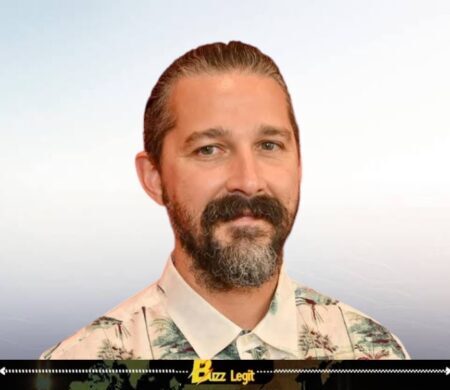
Shia LaBeouf is once again at the center of national attention after accepting a plea deal connected to a Mardi Gras bar fight that led to battery charges in New Orleans. While the agreement brings an end to the criminal proceedings, it has opened a fresh debate about celebrity accountability, rehabilitation, and whether public figures receive opportunities unavailable to ordinary defendants. What appeared to be a festive night during one of America’s largest celebrations ultimately evolved into a legal saga that attracted widespread scrutiny and raised uncomfortable questions for everyone involved.
Mardi Gras Violence Ends With Plea Deal Instead of Courtroom Battle
The Shia LaBeouf case stems from an incident during Mardi Gras celebrations in February, when authorities alleged that the actor became involved in a physical confrontation outside a New Orleans bar. Investigators said multiple individuals were struck during the altercation, leading to battery charges against the actor. Video footage and witness statements quickly circulated, transforming what might have been a local incident into a national entertainment and legal story.
Following months of legal proceedings, Shia LaBeouf accepted a plea deal that reportedly includes probation and court-ordered programs focused on rehabilitation and behavioral improvement. His attorney has argued that the incident amounted to a relatively minor bar altercation and rejected suggestions that the actor’s actions were motivated by bias. The agreement avoids a prolonged courtroom battle while placing renewed focus on the actor’s future conduct rather than continued litigation.
Bar Fight, Probation, and Another Second Chance for Shia LaBeouf
The Plea Deal has generated attention beyond the immediate legal outcome because it arrives against the backdrop of years of public controversies involving the actor. Court records and previous reporting show that judges expressed concerns about substance abuse issues and ordered treatment measures earlier in the proceedings. Those concerns became a significant factor in discussions surrounding how the case should ultimately be resolved.
Public reaction has been sharply divided. Some observers view the resolution as evidence that rehabilitation can be more productive than prolonged punishment, especially when courts believe treatment may reduce future incidents. Others argue that celebrity defendants often appear to receive outcomes that seem more forgiving than what many members of the public expect. The disagreement has transformed the case into a broader conversation about justice, accountability, and the role of personal rehabilitation in modern criminal sentencing.
As the Shia LaBeouf Plea Deal story moves from courtrooms to public discussion, attention will likely focus on whether the actor fulfills the requirements attached to the agreement and whether this marks a genuine turning point in a career that has frequently balanced professional success with personal controversy. For Buzz Legit, this remains a developing story that could offer important lessons about accountability, rehabilitation, and the increasingly complicated relationship between fame and public responsibility.


https://shorturl.fm/9qESy