

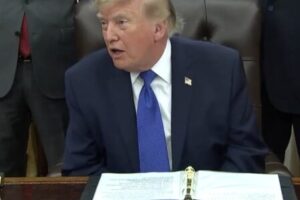


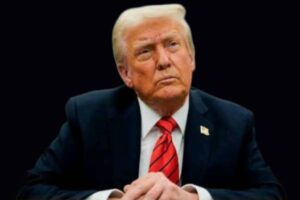


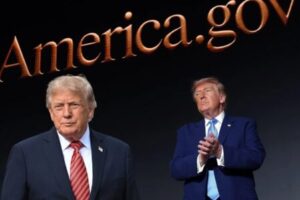
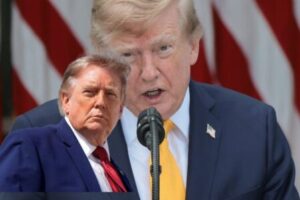
















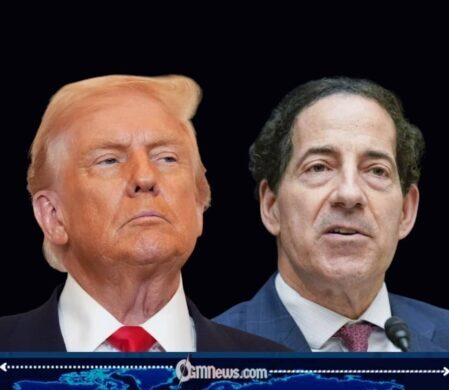
Ethics Bill politics has once again taken center stage in Washington after Democratic lawmakers introduced legislation aimed at preventing presidents and senior government officials from personally benefiting from foreign government-linked payments or business arrangements. The proposal arrives amid heightened scrutiny of President Donald J. Trump’s business interests and claims regarding substantial growth in his personal wealth during his second term. While supporters describe the legislation as a necessary safeguard against corruption, critics see it as a politically motivated response to a particular administration. The controversy has reignited a long-running national debate over ethics, transparency, and the intersection of public office with private wealth.
Ethics Bill and the Battle Over Presidential Accountability
The proposed Ethics Bill is part of a broader series of anti-corruption measures introduced by Democratic lawmakers seeking tighter restrictions on financial relationships involving presidents, vice presidents, cabinet officials, and other senior government figures. Advocates argue that existing ethics rules leave gaps that could allow foreign governments or foreign-linked entities to influence public officials through business transactions, property dealings, licensing agreements, or other indirect financial channels.
Supporters of the legislation contend that stronger safeguards are necessary regardless of which political party controls the White House. They argue that public confidence in government depends on ensuring that major policy decisions are made solely in the national interest. Opponents, however, maintain that the proposals unfairly target President Trump and could create unnecessary restrictions on individuals who enter public service while maintaining extensive private business holdings.
Presidential Wealth Debate Expands Beyond One Administration
The discussion surrounding Presidential Wealth has become a central feature of the current debate. Claims that President Trump’s net worth has increased by more than 250 percent since taking office have circulated widely in political discussions and on social media. However, financial experts and analysts have noted that wealth estimates for high-profile business figures can vary significantly depending on asset valuations, market conditions, ownership structures, and methodology. As a result, the specific figure remains a matter of political dispute rather than universally established fact.
Beyond the immediate controversy, ethics experts note that concerns about financial conflicts involving presidents have existed across multiple administrations. Questions regarding business ownership, blind trusts, financial disclosures, foreign investments, and post-office financial opportunities have repeatedly surfaced throughout modern American political history. The latest legislative push reflects growing efforts by some lawmakers to create clearer and more enforceable standards that could apply to future presidents regardless of party affiliation.
The debate over the Ethics Bill and Presidential Wealth is unlikely to disappear anytime soon. As Congress considers the proposed measures, supporters and critics will continue arguing over whether the legislation represents a vital protection against conflicts of interest or a politically charged response to current circumstances. OGM News will continue monitoring developments as lawmakers, ethics experts, and voters weigh the future of presidential accountability in the United States.

[…] […]