









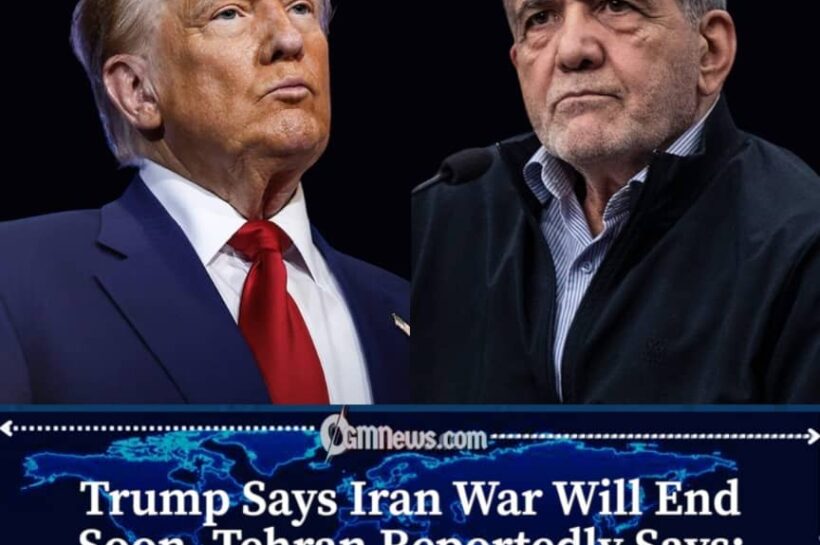












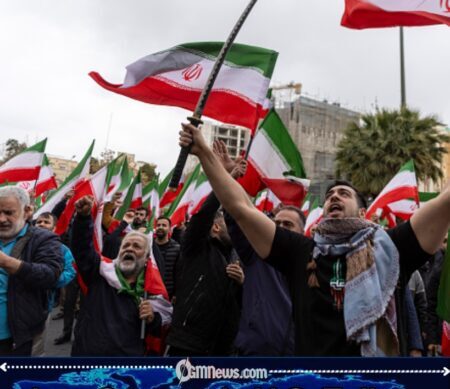
Iran Talks Suspended has emerged as the latest flashpoint in a rapidly evolving Middle East crisis, with Iranian state media reporting that Tehran has halted indirect negotiations with the United States and may expand pressure through additional regional fronts. The announcement arrives at a delicate moment when hopes for diplomacy were competing with battlefield realities, leaving observers wondering whether this marks a temporary negotiating tactic or a significant escalation in the conflict. Reports indicate that Iranian officials view recent military developments in Lebanon as evidence that ceasefire understandings have been undermined, raising fresh questions about the future of regional stability.
Diplomatic Breakdown And Reason To Silence
The Iran Talks Suspended announcement was carried by state-linked Iranian media, which said Tehran’s negotiating team had stopped exchanging messages with the United States through intermediaries. Iranian officials reportedly argued that continued military operations in Lebanon violated broader ceasefire expectations and rendered ongoing diplomatic exchanges ineffective. Tehran also reiterated demands for an end to military operations in Gaza and Lebanon before negotiations can resume.
Adding to the tension, Iranian media reported that Tehran and allied groups within the so-called “Resistance Front” were considering broader regional measures, including pressure on strategic maritime routes. Such statements have drawn international attention because waterways such as the Strait of Hormuz and the Bab el-Mandeb Strait are among the world’s most critical energy and shipping corridors. Any disruption to these routes carries implications far beyond the Middle East.
Escalation And Tension Arising Through Oil Prices
The Iran Talks Suspended development has already reverberated through global markets. Oil prices climbed sharply after reports of the diplomatic freeze and renewed concerns about shipping routes in the Gulf region. Analysts have warned that prolonged uncertainty could increase pressure on energy markets, shipping costs, and broader economic stability.
Beyond immediate market reactions, the latest dispute highlights the widening gap between diplomatic ambitions and battlefield realities. Reports indicate that fighting involving Iran-aligned groups, Israeli forces, and other regional actors has continued to complicate peace efforts. At the same time, emergency diplomatic engagements and international appeals for restraint have intensified as governments seek to prevent the conflict from spreading further. While Iranian officials insist their actions are a response to perceived violations, critics argue that threats to open additional fronts risk increasing instability across an already volatile region.
The coming days may determine whether Iran Talks Suspended becomes a temporary chapter in a difficult negotiation process or a turning point toward broader confrontation. For now, diplomacy appears to be on hold, markets remain uneasy, and regional leaders are facing renewed pressure to prevent another dangerous escalation. OGM News will continue monitoring developments as officials on all sides weigh their next moves.

[…] […]