





















DOJ lawsuits have thrust four Democratic-led states into a high-stakes legal confrontation with the federal government after officials in Maine, Massachusetts, Oregon, and Washington declined to issue confidential license plates requested by federal immigration authorities. What appears on the surface to be an administrative dispute over vehicle registrations has rapidly evolved into a constitutional test that could reshape the relationship between state governments and federal law enforcement.
The controversy centers on whether states can deny certain government services to federal agencies involved in immigration enforcement without violating constitutional protections afforded to the federal government. With both sides claiming to defend public safety and constitutional principles, the legal battle is attracting national attention and raising questions about the limits of state resistance.
Federal Government Says State Leaders Are Obstructing Immigration Enforcement
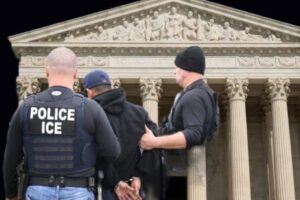
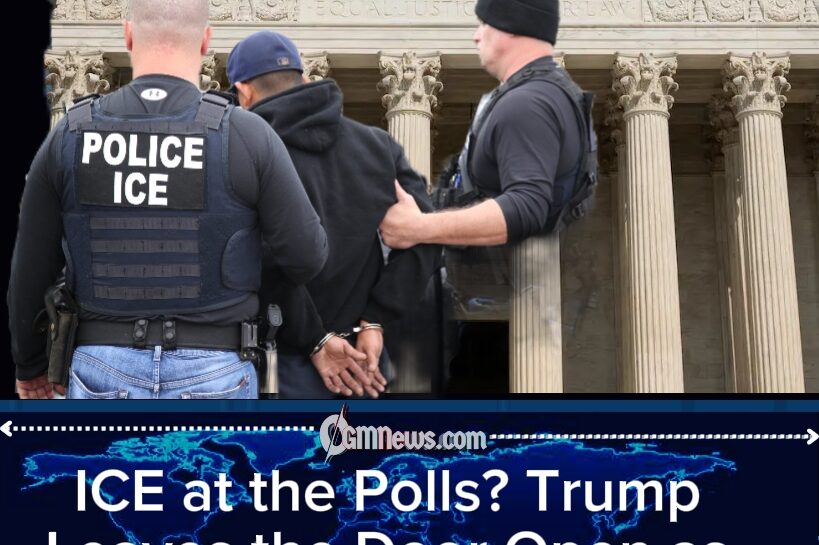
The DOJ lawsuits were filed after federal officials alleged that the four states refused to provide confidential or undercover license plates used by Immigration and Customs Enforcement personnel and other federal officers engaged in sensitive investigations. According to federal authorities, such plates help protect agents from identification during surveillance operations and reduce potential risks to officer safety.
Justice Department officials contend that denying the plates interferes with federal responsibilities and violates the Supremacy Clause of the U.S. Constitution, which establishes that federal law generally takes precedence over conflicting state actions. Federal attorneys further argue that states cannot selectively restrict resources in ways that impede federal agencies from carrying out duties authorized by Congress. The administration maintains that immigration enforcement remains a federal responsibility and that states cannot dictate how those operations are conducted.
States Challenge Washington DOJ Lawsuits, Washington Challenges Back
State officials have defended their policies by arguing that they retain authority over vehicle registration systems and are not obligated to facilitate every aspect of federal immigration enforcement. Leaders in the affected states have emphasized concerns about transparency, accountability, and the distinction between criminal investigations and civil immigration matters.
The broader dispute arrives amid years of tension between federal immigration authorities and states that have adopted policies limiting cooperation with immigration enforcement efforts. Legal experts note that previous conflicts have centered on detention requests, information sharing, and sanctuary policies, but the current DOJ lawsuits introduce a less familiar question involving access to confidential state-issued vehicle registrations. The outcome could help clarify how far states may go in withholding cooperation while remaining within constitutional boundaries.
As the DOJ lawsuits move through federal courts, observers on both sides are watching closely for a ruling that may extend beyond license plates and influence future state-federal disputes. What began as a disagreement over vehicle registration could ultimately become another landmark chapter in America’s ongoing debate over immigration enforcement, federal authority, and the powers reserved to the states. OGM News will continue monitoring developments as the constitutional battle unfolds.


[…] […]