

















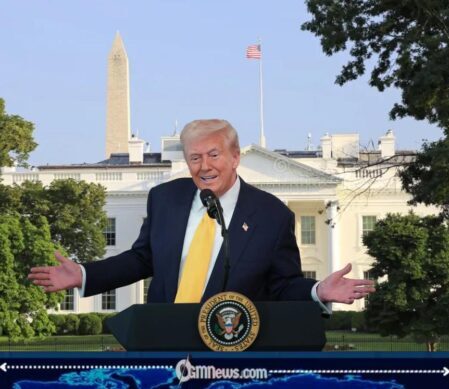
The White House has announced a controversial move to give political appointees more power over federal grants, sending ripples through Washington and the wider policy community. The Trump administration argues that the reform will ensure federal dollars are allocated in alignment with national priorities, streamline decision-making, and reduce bureaucratic red tape. Yet, critics warn that allowing political appointees to wield such influence may politicize grants, risking favoritism and undermining long-standing merit-based review systems. The stakes are high, and the question remains: who really gets to decide which organizations receive taxpayer money?
Trump Pushes Political Appointees to Decide Who Gets Taxpayer Money
Under the proposed changes, political appointees would be able to review, comment, or influence federal grant decisions that were previously handled primarily by career civil servants. The White House insists this move will improve efficiency and ensure taxpayer dollars are spent on initiatives that advance the administration’s strategic objectives. By placing political appointees in a more direct oversight role, the government aims to better coordinate funding priorities across agencies and align them with broader policy goals.
Critics argue that this change risks turning the federal grant system into a partisan tool. Programs that may not align with the administration’s immediate political objectives could face delays or reduced funding, even if their societal impact is demonstrable. Nonprofits, universities, and state governments that rely on these grants could find themselves navigating new political hurdles that have little to do with the merits of their projects.
Federal Funds at Risk of Becoming Election-Year Bargaining Chips
Beyond immediate grant allocations, this shift may have longer-term consequences for how federal dollars are perceived and utilized. Historically, merit-based reviews ensured fair competition and transparency, fostering public trust in government funding decisions. Increasing political oversight could erode that trust and encourage perceptions of favoritism.
Observers also note that this change reflects a broader trend toward centralizing power in the executive branch, particularly in politically appointed roles. If implemented, the policy may create pressure on organizations to tailor projects to align with current political priorities rather than addressing local needs or long-term policy objectives. While efficiency is cited as a benefit, the potential trade-off between speed and impartiality remains a key concern for watchdog groups, policy analysts, and the public alike.
As the administration moves forward, it will be critical to monitor whether this expansion of political influence truly delivers on promised efficiency or becomes a flashpoint for controversy over partisan control of federal resources. For now, political appointees are stepping into a spotlight that could redefine how American taxpayers’ dollars are awarded and perceived.


Logging in is a breeze and the site stability is amazing even during peak hours....