















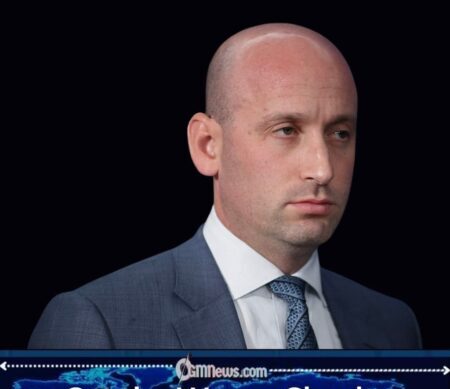
Budget Shockwave hit Washington after Stephen Miller suggested the federal government could potentially balance its budget if Treasury funds were distributed only to individuals who were “properly, lawfully, correctly eligible” to receive them. The comment immediately triggered fierce political debate, reigniting long-standing national arguments over government waste, federal oversight, immigration enforcement, welfare systems, and taxpayer accountability. While supporters described the statement as a blunt acknowledgment of systemic inefficiency, critics accused Miller of reducing a complex economic crisis into a politically charged soundbite designed to energize fiscal conservatives.
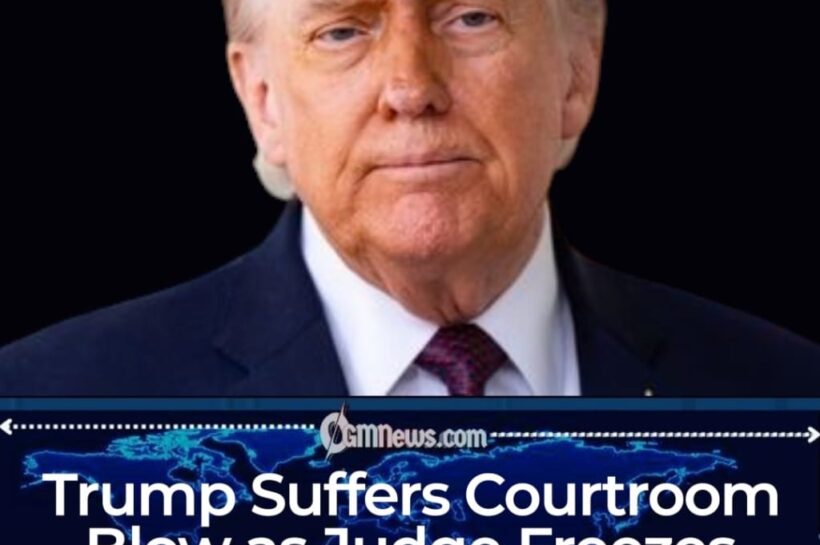
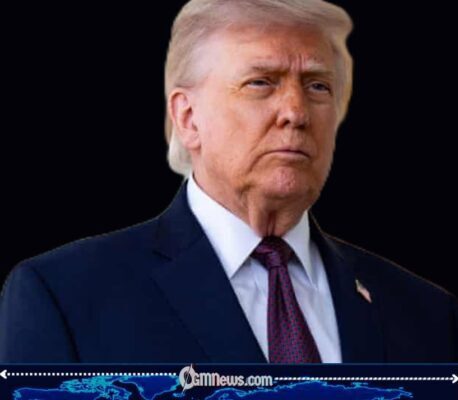
The controversy arrives at a time when Americans remain deeply divided over federal spending priorities, particularly as rising national debt, inflation concerns, and repeated budget standoffs continue dominating political discourse under President Donald Trump’s administration. Stephen Miller ’s remarks quickly spread across social media platforms, where supporters praised the proposal as a straightforward solution to government waste, while opponents argued the claim ignored broader structural drivers behind the country’s enormous budget deficit. In typical Washington fashion, a debate about spreadsheets rapidly transformed into a cultural battlefield.
Cut the Wrong Checks and Watch America Go Broke,” Stephen Miller Warns
Stephen Miller’s statement centered on the idea that improper or unlawful federal payments represent a significant drain on taxpayer resources. Though he did not provide precise figures during the remark, federal watchdog agencies have repeatedly documented billions of dollars in improper payments across multiple government programs over the years. These include healthcare systems, unemployment assistance, disaster relief funding, tax credits, and pandemic-era emergency programs that were expanded rapidly during national crises.
Budget experts, however, caution that improper payments are often misunderstood in political debates. In many cases, “improper” does not necessarily mean fraudulent. Payments may be classified as improper due to clerical mistakes, delayed verification paperwork, duplicate processing errors, or administrative confusion rather than intentional abuse. Still, the scale of such errors has fueled growing frustration among taxpayers who increasingly question whether federal agencies are capable of managing massive spending programs effectively. Miller’s remarks tapped directly into that frustration, transforming a technical budget issue into a headline-grabbing political confrontation.
Washington Spending Machine Accused of Rewarding “Ineligible Recipients”
The broader Treasury debate surrounding federal eligibility enforcement reflects deeper tensions within modern American politics. Fiscal conservatives have long argued that weak oversight mechanisms allow wasteful spending to flourish inside large government programs, while progressive critics warn that aggressive eligibility crackdowns can unfairly target vulnerable populations who rely on federal assistance. The political challenge for Washington remains balancing accountability with accessibility without creating systems so restrictive that qualified citizens struggle to receive support.
Recent years have also intensified scrutiny over federal payment systems following reports involving pandemic relief fraud, unemployment benefit scams, and identity theft operations that exploited emergency funding programs during periods of economic instability. Several oversight investigations found that rushed implementation timelines during national emergencies increased vulnerability to abuse, though officials also noted that rapid aid distribution was necessary to prevent economic collapse. These findings have allowed political figures like Miller to argue that Washington’s spending culture prioritizes speed over accountability, while critics counter that isolated abuses should not define entire assistance programs.
Stephen Miller Thinks America’s Wallet Just Needs a Better Password
Economists remain divided over the claim that eligibility enforcement alone could balance the federal budget. While stricter oversight could potentially save billions in improper payments, many analysts note that the nation’s deficit is also heavily influenced by military spending, entitlement obligations, debt interest payments, tax structures, and broader economic conditions. Nevertheless, Miller’s statement succeeded in reigniting public focus on a politically explosive issue that touches immigration policy, welfare systems, and taxpayer trust all at once.
As the Budget Shockwave continues moving through Washington, lawmakers from both parties are expected to face increasing pressure to demonstrate how federal funds are monitored and distributed. Whether Miller’s remarks ultimately reshape policy or simply fuel another cycle of televised political warfare, the controversy has already exposed a deeper public anxiety about whether the government truly knows where its money is going — and who is receiving it.

https://shorturl.fm/5TtQZ