










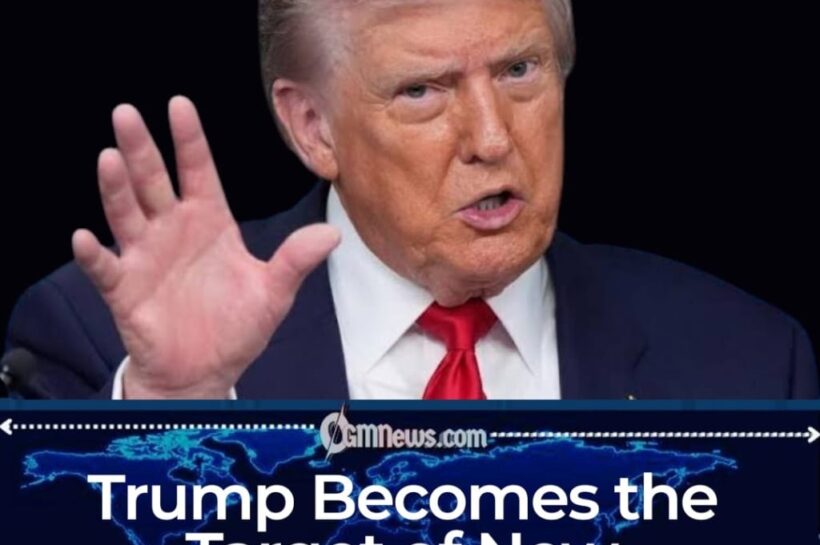






The Trump Fund controversy erupted across Washington after details surfaced surrounding a controversial settlement tied to President Donald J. Trump’s lawsuit against the IRS. At the center of the political storm is a proposed “Anti-Weaponization Fund” reportedly valued at nearly $1.8 billion, a figure critics describe as alarmingly excessive compared to the damages originally claimed in the lawsuit. The arrangement has triggered accusations of self-dealing, political favoritism, and abuse of executive influence, while supporters argue it represents accountability for alleged government misconduct during previous administrations.
Questions intensified after reports suggested the fund would operate with significant secrecy and broad discretionary authority. Political analysts say the unusual structure of the agreement has transformed what began as a legal dispute into a wider national debate about ethics, government transparency, and the use of taxpayer money during one of the most politically polarized periods in modern American history.
Critics Accuse Trump Administration of Rewarding Political Allies
The Trump Fund would reportedly be overseen by commissioners selected primarily through the administration, with ultimate authority resting under structures influenced by the president’s executive branch. Critics argue that because the IRS and Justice Department both operate under presidential authority, the settlement creates the appearance of a president negotiating with agencies effectively under his own control. That concern reportedly became serious enough for a federal judge to seek independent legal review before the agreement was finalized.
The controversy deepened further after reports indicated that activities linked to the fund may remain confidential, with internal reports shielded from public release. Critics fear such secrecy could create opportunities for politically connected figures to benefit without meaningful oversight. Some opponents have even warned that the arrangement risks creating what they describe as a taxpayer-funded political patronage system operating behind closed doors.
Confidential Trump Fund Arrangement Draws Public Scrutiny
The Trump Fund dispute has also reignited broader debates about ethics and financial influence within modern American politics. Critics argue that the controversy fits into a wider pattern of accusations involving conflicts of interest, political loyalty networks, and the growing intersection between personal influence and public office. Supporters of the administration reject those accusations, insisting the settlement merely addresses concerns over alleged political targeting of conservatives by federal agencies.
Beyond Washington, the issue has resonated strongly with ordinary Americans already frustrated by inflation, economic uncertainty, and declining trust in institutions. Political strategists from both parties now view the controversy as potentially significant ahead of future elections, particularly because of its simple and emotionally powerful framing: taxpayer money, political power, and secretive control. Analysts say that combination may prove difficult for the administration to politically neutralize if public scrutiny continues to grow.
For now, the Trump Fund remains both a legal and political lightning rod. OGM News understands that additional scrutiny may emerge regarding how the fund is structured, who may qualify for payments, and whether future court challenges could force greater transparency. Until then, the debate surrounding taxpayer money and presidential power appears far from over.

https://shorturl.fm/5TtQZ