











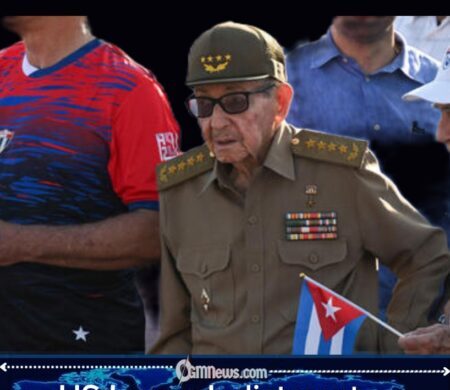
The Castro Indictment has sent shockwaves through international diplomatic circles as the United States formally moves against Cuban political figure Raúl Castro in a case tied to a deadly 1996 aircraft shootdown. The announcement, delivered in Miami, Florida, frames the decades-old tragedy as a renewed pursuit of Cold Case Justice, reviving memories many believed had been permanently sealed in Cold War history. In the first public briefing, acting attorney general Todd Blanche described the indictment as a moral obligation to victims who, according to him, were never forgotten.
The decision has instantly triggered a wave of geopolitical debate, with analysts questioning whether justice, politics, or both are driving the renewed legal offensive. Officials claim the indictment reflects years of investigative effort and archival reconstruction aimed at accountability.
FBI Links Raúl Castro to Deadly Downing of Civilian Aircraft
The Castro Indictment is rooted in allegations that Raúl Castro authorized military actions that led to the destruction of civilian aircraft over international waters in 1996, an incident that remains one of the most disputed episodes in U.S.–Cuba relations. Prosecutors allege the operation involved Cuban fighter jets engaging civilian targets, resulting in multiple fatalities. According to U.S. authorities, this forms the backbone of the current Cold Case Justice initiative.
In the same briefing, officials emphasized that the case represents decades of unresolved grief for families affected by the incident. The Federal Bureau of Investigation FBI reportedly reopened multiple investigative files, revisiting evidence that had remained untouched for years.
The renewed focus on the Castro Indictment has revived public memory of Cold War tensions, with some observers describing the move as symbolic justice, while others see it as politically charged timing.
Political Ripples, Washington Strategy, and Global Reactions
Beyond the courtroom narrative, the Castro Indictment has intensified discussions about broader U.S. foreign policy strategy toward Cuba. Officials linked to the current administration of President Donald J. Trump have previously signaled a tougher stance on Havana, including increased diplomatic pressure and sanctions discussions tied to long-standing disputes.
Analysts suggest the case could further strain already fragile U.S.–Cuba relations, especially given the historical sensitivity surrounding migration, embargo policies, and past military confrontations. Miami, home to a large Cuban exile community, has become a symbolic epicenter for reactions, with emotional responses reflecting decades of political displacement.
At the same time, Cuban officials are expected to reject the legitimacy of the indictment, potentially framing it as interference in sovereign matters. The Cold Case Justice narrative is therefore colliding with deeply entrenched geopolitical divisions that show no sign of easing.
As the Castro Indictment unfolds, the world watches a legal process that bridges past conflict and present political reality. Whether interpreted as long-delayed Cold Case Justice or a strategic escalation in U.S.–Cuba tensions, the case is likely to remain a defining flashpoint in modern diplomatic history. OGM News will continue tracking developments as reactions emerge from Havana, Washington, and international observers.

https://shorturl.fm/5TtQZ