















The Iran War entered a dangerous new phase Wednesday after Tehran warned it was ready to repel any fresh American attack while stalled peace talks continued to frustrate global leaders. President Donald J. Trump arrived in China promising a lengthy discussion with President Xi Jinping over the escalating crisis, even as Washington insisted it did not require Beijing’s assistance to end the 75-day conflict. Behind the diplomatic language, however, fears are growing that the standoff may be drifting further away from negotiation and closer toward a prolonged geopolitical struggle capable of rattling markets, alliances, and already exhausted taxpayers.
Iran Holds Military Drills While Diplomats Hold Competitive Silence
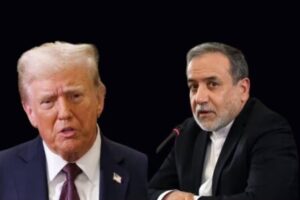
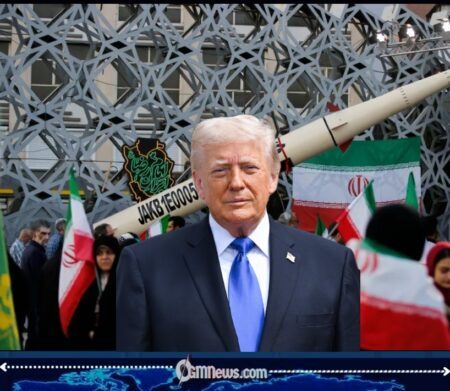
Iranian military commanders intensified tensions by declaring that recent drills conducted around Tehran demonstrated the country’s readiness to confront U.S. forces “at any place and at any time.” The statement appeared carefully timed to send a warning both to Washington and to regional rivals monitoring the stalled peace process. Analysts say the rhetoric reflects growing frustration inside Tehran over the slow pace of diplomacy and the continued threat of military retaliation.
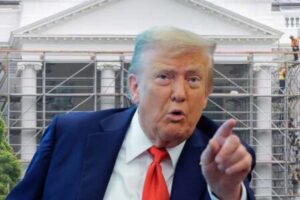
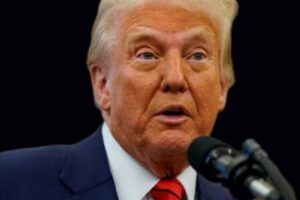
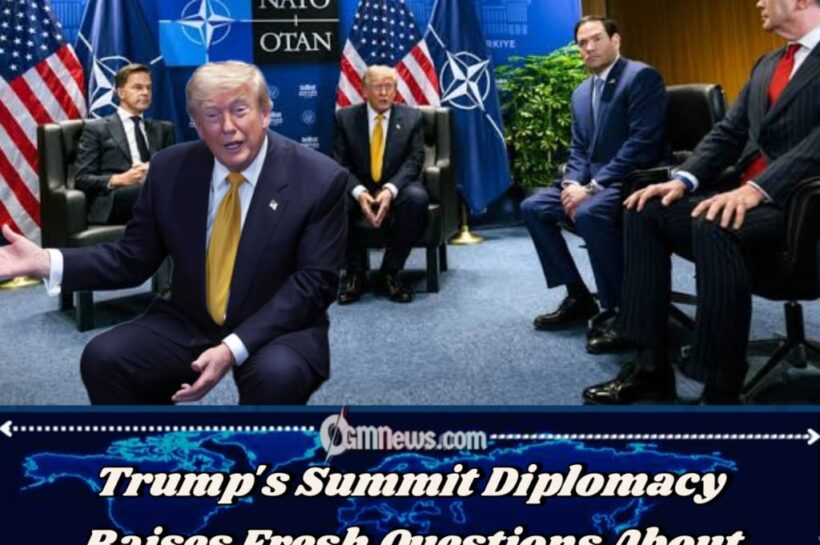
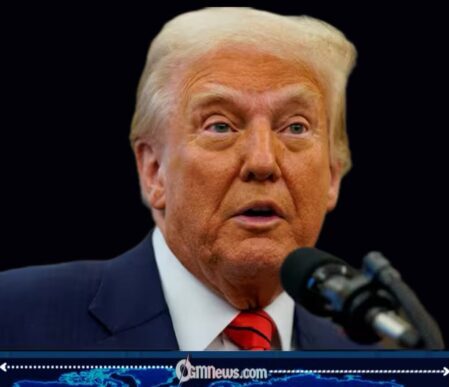
President Donald J. Trump attempted to project confidence before arriving in China, telling reporters he expected a “long talk” with President Xi Jinping regarding the Iran War. Trump also insisted the United States did not “need any help” from Beijing in resolving the conflict, though experts note China remains one of Iran’s most influential economic partners. The contrast between America’s public confidence and the urgent diplomatic activity behind the scenes has fueled speculation that global powers are increasingly concerned about the economic and military consequences of a prolonged confrontation.
Pentagon Tries Explaining Why a “Short Conflict” Now Costs Nearly $30 Billion
The financial burden of the Iran War has meanwhile become a major political issue in Washington. Acting Pentagon comptroller Jules Hurst informed lawmakers that the conflict has already cost American taxpayers approximately $29 billion. The figure shocked many observers because Defense Secretary Pete Hegseth had estimated the cost at $25 billion only weeks earlier. U.S. officials familiar with internal assessments reportedly suggested the true cost may already be approaching $50 billion, raising uncomfortable comparisons to previous Middle East conflicts once marketed as “limited operations.”
Beyond military spending, the broader economic consequences continue spreading globally. Energy markets remain volatile, shipping concerns persist across strategic trade routes, and investors have increasingly worried about instability affecting international supply chains. China’s involvement in diplomatic discussions highlights how deeply interconnected the crisis has become. Although Beijing has avoided directly positioning itself as a mediator, its economic leverage and strategic ties with Iran place President Xi Jinping in a potentially influential role during discussions with Trump.
The Iran War now stands at a crossroads where military signaling and diplomatic caution appear locked in direct competition. While officials publicly speak of peace talks, both Washington and Tehran continue displaying strength in ways that make compromise politically difficult. OGM News understands that international observers will closely monitor the outcome of Trump’s China meetings, not only for signs of diplomatic progress but also for clues about whether the conflict is quietly preparing to enter an even more expensive and dangerous chapter.
https://shorturl.fm/vJtLQ