

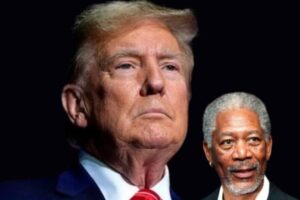







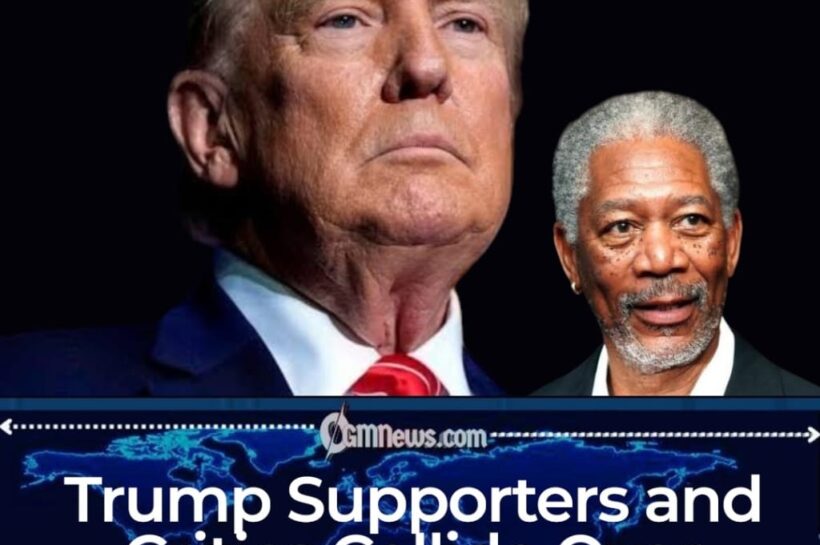




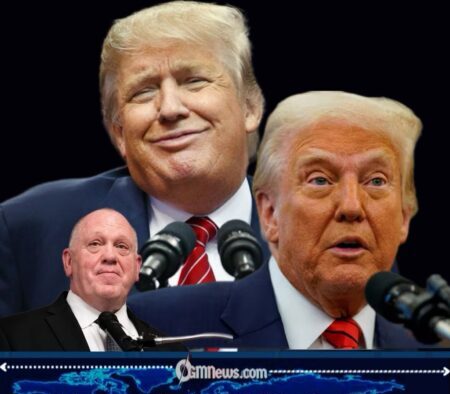
NICE entered America’s political conversation this week not as a policy proposal, but as a branding experiment that quickly spiraled into national debate. President Donald J. Trump revealed that he once supported renaming Immigration and Customs Enforcement from “ICE” to “NICE,” saying he personally loved the idea because it would force television networks and political opponents to repeatedly use the friendlier-sounding name during heated immigration discussions. But according to Trump’s own remarks, the idea hit an unexpected obstacle: Border Czar Tom Homan reportedly disliked it almost immediately.
The revelation triggered widespread reactions online, where supporters described the proposal as strategic political messaging while critics mocked it as an attempt to soften the image of one of America’s most controversial federal agencies. The discussion has since grown beyond simple humor, reopening debates over immigration enforcement, public trust, and whether political branding is replacing serious governance in modern American politics.
The “NICE” Branding Gamble
Trump reportedly embraced the proposal after supporters online circulated mock-up logos and suggested that replacing “ICE” with “NICE” would psychologically reshape public perception. The president later acknowledged that he enjoyed the concept because critics and television presenters would be forced to say the word “NICE” whenever discussing immigration enforcement operations. According to reports, Trump even described the idea as “brilliant” before resistance inside immigration circles slowed momentum.
One of the most surprising elements of the story was Trump’s admission that Tom Homan — one of the administration’s toughest immigration figures — reportedly rejected the proposal outright. Homan, known for publicly defending aggressive immigration crackdowns and expanded ICE operations, has spent months emphasizing strong enforcement language while dismissing calls for agency reform. Observers noted that changing the agency’s name may have conflicted with the administration’s broader effort to project strength and deterrence at the border.
Immigration Politics Beyond The Headlines
While the “NICE” proposal generated jokes online, the controversy arrives during a tense period for immigration politics in the United States. Recent ICE operations in states like Minnesota and ongoing disputes between federal immigration authorities and Democratic-led states have intensified national debate over enforcement methods, detention practices, and cooperation between local police and federal agencies. Tom Homan has repeatedly defended ICE operations while warning sanctuary jurisdictions against limiting cooperation with federal officers.
NICE also arrives at a moment when the Trump administration continues facing scrutiny over the public image of immigration enforcement agencies. Critics argue that changing a name would not address concerns over aggressive raids, detention controversies, or allegations of excessive force. Supporters, however, insist the administration is attempting to reassert control over immigration messaging after years of political backlash and media criticism. Some analysts believe the branding conversation itself reflects a broader reality in modern politics: perception can become almost as important as policy.
For now, ICE remains ICE, and there is no official indication that the federal agency will actually undergo a formal rebrand. But the unusual episode has once again demonstrated how a single comment from President Trump can dominate headlines, reshape online conversations, and pull even America’s most serious political debates into the unpredictable theater of modern media. As the immigration debate intensifies ahead of future political battles, OGM News will continue monitoring whether “NICE” remains a joke, a strategy, or perhaps a preview of how political branding may increasingly define public policy itself.
https://shorturl.fm/XPOeg