








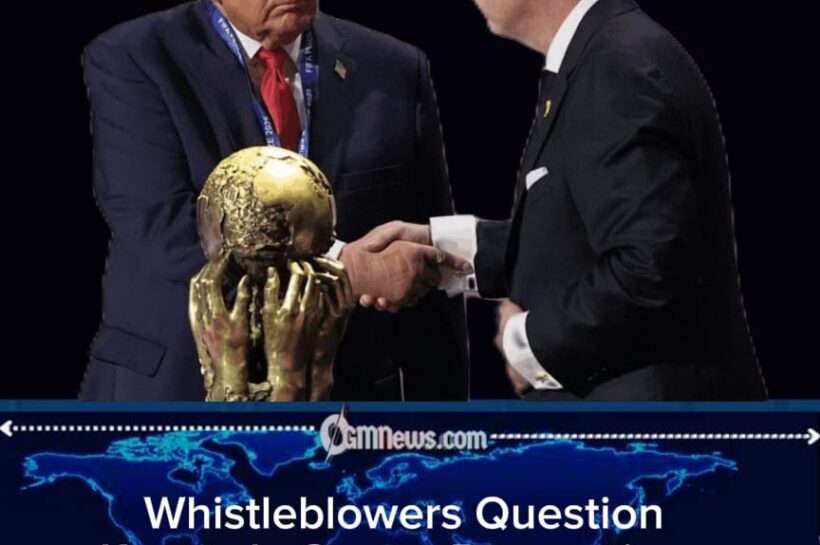



Collapse now hangs heavily over the Republican Party as Donald J. Trump tightens his dominance over conservative politics while critics warn that the GOP may be sacrificing its long-term survival for short-term loyalty. The latest political tremors emerged from Indiana, where several Republican lawmakers who resisted Trump-backed redistricting efforts were pushed out during the primaries, reinforcing the president’s iron grip over the party machinery. For supporters, it was proof of Trump’s enduring influence. For opponents, it was another warning sign that ideological independence inside the Republican Party is rapidly disappearing.
Political observers say the situation extends beyond ordinary party discipline. What once appeared to be strategic unity increasingly resembles political dependency, with many Republican figures reluctant to publicly challenge Trump even on controversial issues. The atmosphere has fueled accusations that the GOP leadership has abandoned traditional conservative principles in exchange for political survival within the Maga movement.
The Maga Grip Tightens Over Republican
The Indiana primary battles became symbolic of a broader transformation inside Republican politics. Lawmakers who once represented conventional conservative values reportedly found themselves targeted for refusing to fully comply with Trump-aligned political strategies. The outcome strengthened perceptions that loyalty to Trump now outweighs ideological consistency within the party.
Collapse as a political theme also intensified after reports that Republican Senate leaders supported enormous funding proposals tied to security upgrades surrounding Trump’s extravagant White House ballroom project. Critics viewed the move as politically damaging optics at a time when many Americans remain frustrated over economic uncertainty and government priorities. Supporters, however, argued that protecting the presidency and modernizing federal facilities remain legitimate responsibilities regardless of political controversy.
The debate has also revived memories of Trump’s first administration, when several senior officials were reportedly described as unofficial guardrails against impulsive presidential decisions. Former officials including military leaders and corporate executives allegedly attempted to moderate policy directions behind the scenes. In Trump’s second term, however, critics argue that fewer institutional restraints remain, leaving Republican lawmakers more closely aligned with Trump’s political instincts than ever before.
Historic Echoes and Growing Risks Of Trump Popularity Waning
American political history contains several examples where parties intervened during moments of presidential crisis. During the Watergate scandal, senior Republican leaders famously confronted President Richard Nixon before his resignation. Similar interventions occurred during other controversial periods in US history when party figures attempted to restore stability and public confidence.
Collapse fears surrounding today’s Republican Party stem partly from the belief that no equivalent intervention appears likely under Trump’s leadership. Despite legal controversies, January 6 pardon backlash, tariff disputes, and accusations of political retaliation, most Republican leaders have remained publicly supportive or strategically silent. Critics argue this silence reflects political fear, while supporters insist it reflects voter loyalty and democratic choice.
Additional tensions have emerged around voting rights battles and congressional district redrawing efforts across several states. Opponents accuse Republicans of using aggressive political strategies to preserve power amid declining support in critical swing regions. Conservatives reject those claims and argue Democrats are exaggerating routine political battles for electoral advantage. Yet recent Democratic victories in closely watched districts have intensified speculation that suburban and moderate voters may be shifting away from the GOP.
Collapse may ultimately become the defining test of Trump-era Republican politics. The party still commands enormous influence across conservative America, but growing internal anxiety suggests many Republicans privately fear what happens if Trump’s popularity weakens faster than the Maga movement can adapt. For now, however, the president remains firmly in command, and few inside the party appear willing to risk confronting him publicly. OGM News will continue monitoring how this political gamble reshapes the future of American conservatism and the balance of power heading into the next election cycle
https://shorturl.fm/XPOeg