







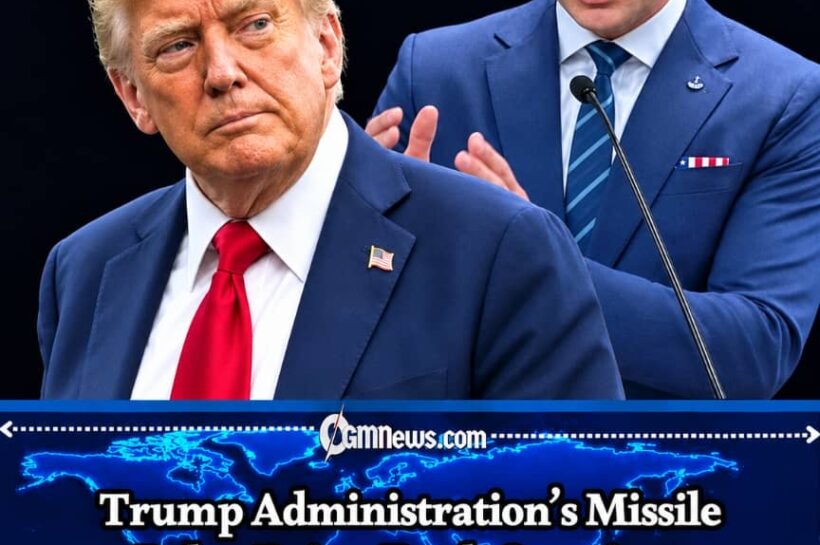




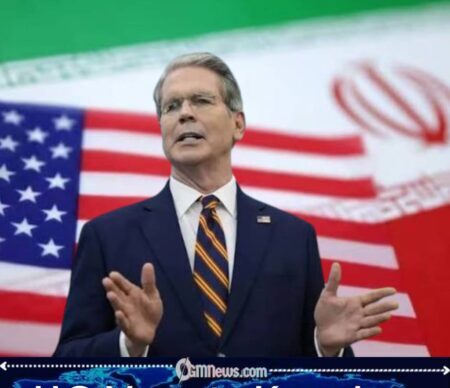
Sanctions are once again at the center of escalating tensions between Washington and Tehran after U.S. officials confirmed that Iran will continue to be cut off from critical international financial networks. The announcement reinforces the Trump administration’s broader strategy of maintaining maximum economic pressure on Iran, even as global concerns grow over instability in the Middle East and uncertainty surrounding future diplomatic negotiations.
Donald Trump’s administration has consistently argued that restricting Iran’s access to global banking systems weakens the country’s ability to finance militant organizations, expand regional influence, and support controversial military projects. Officials believe financial isolation remains one of the most effective non-military tools available to the United States, especially because of America’s dominant role in international banking and dollar-based trade systems.
The latest comments have reignited debate over whether economic restrictions truly change government behavior or simply deepen hardships for ordinary civilians. Critics argue that while political leaders often find alternative methods to move money and conduct trade, average citizens face inflation, shortages, and growing economic frustration. Social media reactions have ranged from serious geopolitical analysis to satirical jokes comparing Iran’s economy to a permanently locked online account repeatedly receiving “transaction failed” notifications.
Some analysts also point out that the continued restrictions may push Iran closer toward strengthening unofficial financial partnerships with countries seeking alternatives to Western-controlled banking systems. While these efforts have existed for years, experts say bypassing traditional global financial networks remains extremely difficult due to the overwhelming international influence of U.S.-linked institutions and regulations.
Sanctions: Global Banking Becomes a Geopolitical Battleground
Beyond the immediate political standoff, the broader issue highlights how modern financial systems have become powerful geopolitical weapons. Over the past decade, the United States has increasingly used banking access, sanctions, and trade restrictions as strategic tools against rival governments, transforming economic networks into instruments of foreign policy rather than neutral systems of commerce.
Sanctions enforcement has become especially influential because many international banks fear secondary penalties from the United States if they conduct unauthorized business with restricted countries. Even institutions outside America often comply with U.S. restrictions to avoid losing access to dollar markets, international partnerships, or global credibility. This financial influence has allowed Washington to project power far beyond traditional military or diplomatic means.
At the same time, several nations have quietly explored creating alternative payment systems designed to reduce dependence on U.S.-controlled financial infrastructure. While some progress has been made in regional agreements and currency partnerships, experts say replacing the existing system remains an enormous challenge because global trade still heavily relies on American financial mechanisms.
The situation also arrives at a tense moment for Middle East diplomacy. Concerns surrounding Iran’s nuclear activities, regional proxy conflicts, and maritime security continue to place pressure on international negotiations. Observers warn that prolonged economic isolation without diplomatic breakthroughs could further complicate efforts to stabilize the region and reduce the risk of future confrontation.
Sanctions may appear less dramatic than military action, but their long-term impact continues to shape economies, diplomacy, and international alliances in profound ways. As Washington maintains its financial pressure campaign against Iran, the global debate is no longer only about one country’s economy — it is increasingly about who controls the world’s financial gatekeepers and how that power will shape future conflicts.


Downloaded the 881betapp the other day. Clean interface, does the job. Quick and easy betting...