








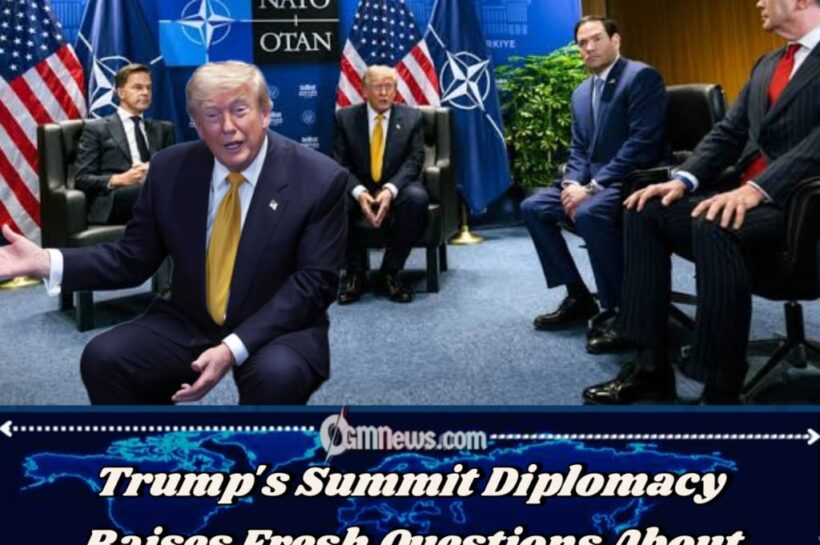






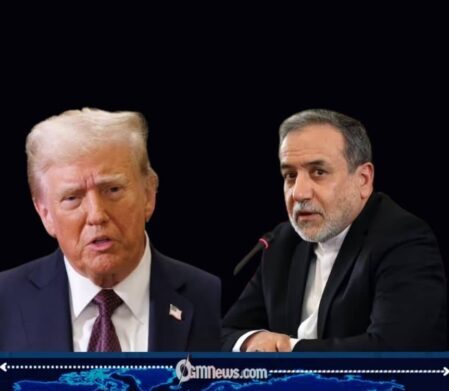
Military Conflict statements emerging from the White House have triggered intense global discussion after Donald J. Trump declared that eight wars had been ended under his leadership while pointing to record-breaking stock market performance as proof of a strengthened global order. The remarks, delivered during a high-profile appearance, have since circulated widely, drawing both praise and skepticism from political observers and economic analysts alike.
Military: Presidential Claims and Market Momentum Narrative
In remarks attributed to Donald J. Trump, the president asserted that multiple global conflicts had been resolved during his administration, framing it as evidence of unprecedented diplomatic effectiveness. He further linked these outcomes to a surge in financial markets, noting that the S&P index had reached new highs during what he described as a “so-called war,” which he minimized as a relatively manageable situation.
The statement quickly became a focal point of discussion, with supporters highlighting the president’s confidence in both foreign policy and economic performance. Within the broader narrative, Military Conflict was used as a framing tool to contrast diplomatic success with financial growth, creating a blended message of peace-through-strength and economic dominance.
Context, Expert Reactions, and Global Interpretation
Analysts examining the remarks point out that global conflict resolution is typically complex and rarely attributable to a single administration, with many peace processes spanning years or involving multiple international actors. Financial markets, while responsive to geopolitical stability, are also influenced by interest rates, corporate earnings, inflation trends, and global trade dynamics.
Military Conflict framing has historically been used in political messaging to simplify complex international realities, and experts caution that such narratives may not fully reflect conditions on the ground. Recent global tensions in various regions remain active or unresolved according to independent diplomatic monitoring groups, making sweeping claims of resolution subject to interpretation and political bias.
Economists also note that while stock markets can react positively to reduced uncertainty, record highs often reflect a combination of structural economic factors rather than singular geopolitical events. This has led to renewed debate over how political leaders communicate economic success in relation to international affairs.
The unfolding discussion is expected to continue as analysts, policymakers, and the public reassess the intersection of diplomacy, rhetoric, and financial performance. Future updates will likely focus on clarifying specific conflict references and evaluating the broader economic context behind market movements linked to the ongoing Military Conflict narrative.

https://shorturl.fm/XPOeg