















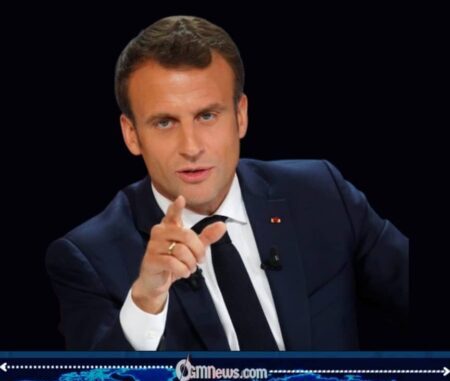
Sovereignty has become the explosive word dominating political debate across Europe after renewed criticism linked to French President Emmanuel Macron’s long-running concerns about NATO and Europe’s dependence on American leadership. The remarks have reignited arguments over whether the alliance primarily protects European security interests or reinforces Washington’s geopolitical dominance over its allies.
The controversy reflects broader tensions inside the Western alliance as Europe confronts multiple crises simultaneously, including the war in Ukraine, rising defense costs, economic instability, and uncertainty surrounding long-term American foreign policy commitments. Macron has repeatedly argued that Europe must strengthen its own military capabilities and strategic independence rather than relying entirely on the United States for security. Critics of the French position warn that undermining NATO unity during a period of heightened geopolitical tension could weaken the alliance and embolden rival powers. Supporters counter that questioning dependence on Washington does not equal abandoning cooperation, but rather preparing Europe for a more uncertain global future.
The Sovereignty Debate and Macron’s Vision for Europe
President Emmanuel Macron has for years advocated the idea of greater European “strategic autonomy,” arguing that Europe should develop stronger independent defense capabilities. His previous remarks describing NATO as experiencing “brain death” already triggered major controversy among Western allies and intensified debates about the future direction of the alliance.
French officials and supporters of Macron’s position argue that Europe must avoid excessive reliance on any single foreign power, including the United States. They point to growing geopolitical instability, changing American political priorities, and economic pressures as reasons Europe should become more self-sufficient militarily and diplomatically. Critics, however, argue that NATO remains essential for deterring major security threats and maintaining collective defense across Europe. Some Eastern European governments especially continue viewing strong American military involvement as crucial to regional security.
NATO Unity, American Influence, and Europe’s Strategic Future
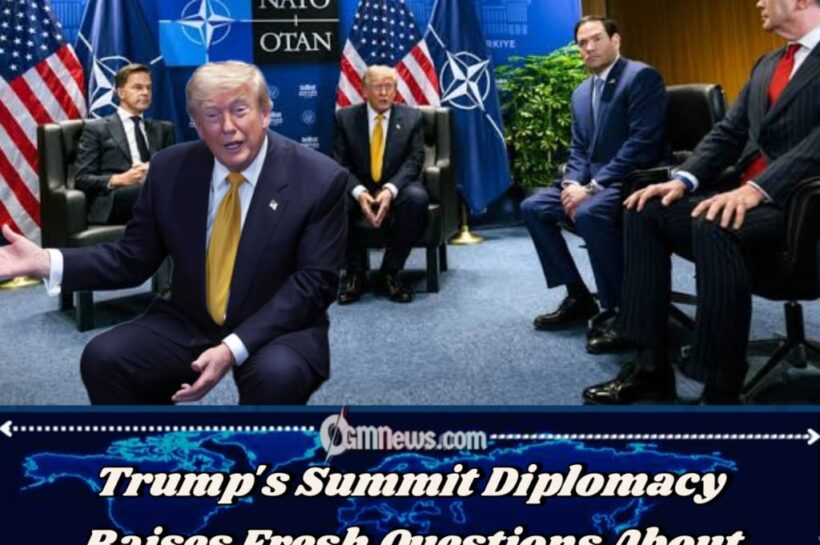
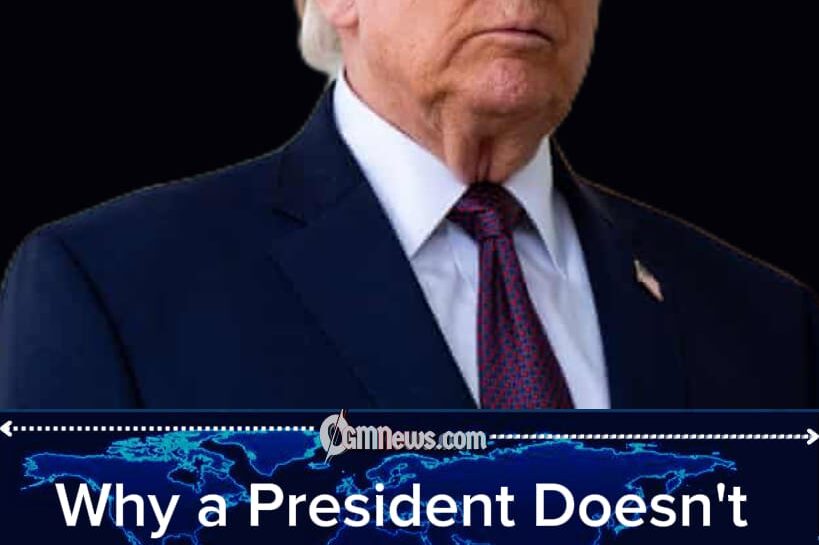
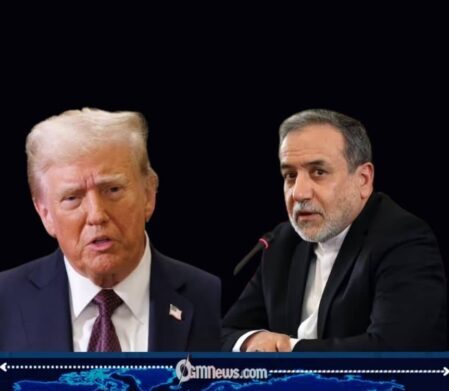
The debate over NATO’s role has expanded beyond France as European governments increasingly discuss defense spending, industrial cooperation, and military readiness. President Donald Trump has also frequently criticized NATO members over defense contributions, arguing that European allies should shoulder a greater share of security costs instead of relying heavily on American taxpayers and military resources.
Sovereignty disputes within NATO therefore reflect deeper concerns about power, influence, and the future structure of the Western alliance itself. Analysts note that while disagreements among allies are not new, rising geopolitical instability has increased pressure on governments to clarify their long-term strategic priorities. At the same time, defense experts caution that despite political tensions, NATO still represents one of the strongest military alliances in modern history, supported by extensive military coordination and shared security interests among member nations.
For now, Macron’s latest comments have once again exposed growing anxieties about the future of Western unity and America’s role within it. OGM News understands that the larger battle may not simply involve NATO itself, but rather competing visions of global leadership in an increasingly unstable world. In modern geopolitics, the word Sovereignty is no longer just a diplomatic slogan it has become a political weapon capable of unsettling alliances across continents.
https://shorturl.fm/XPOeg