




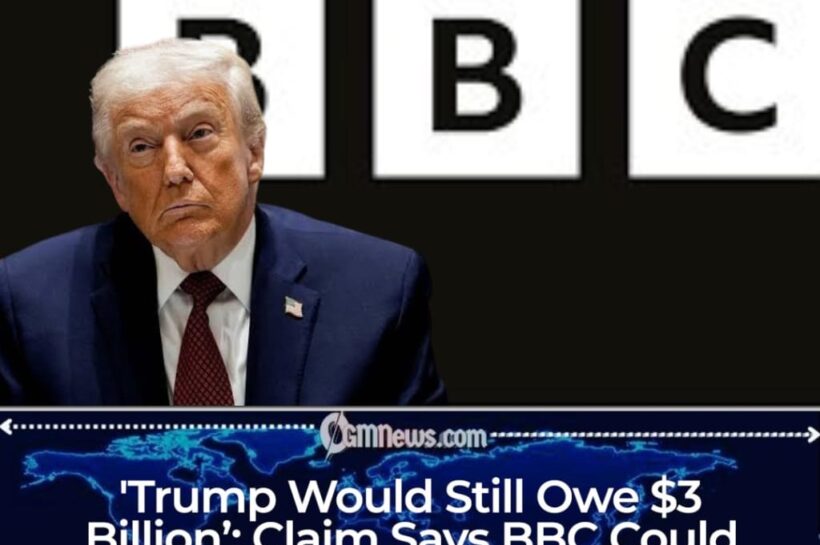
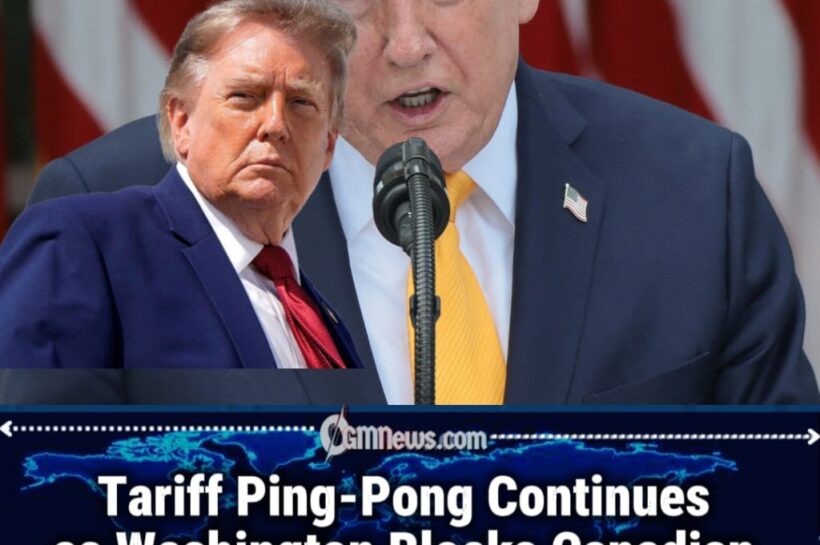

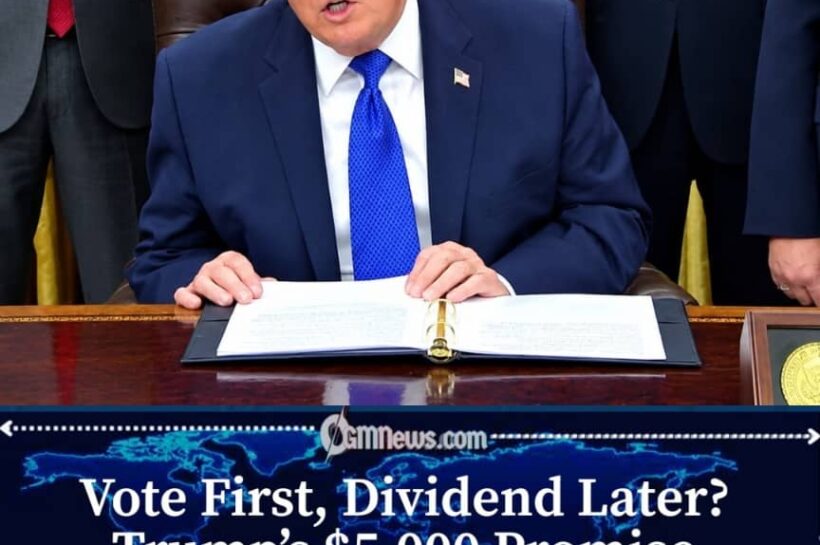





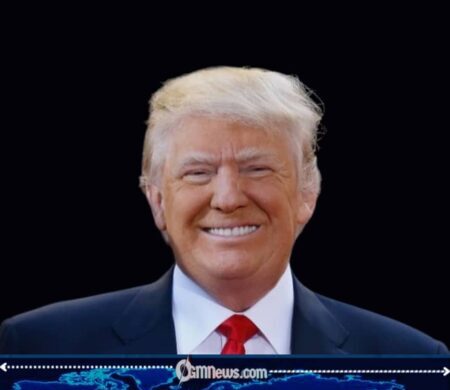
Peacemaker politics has returned to center stage after President Donald Trump declared that he has helped settle “eight wars, actually nine,” while hinting that another diplomatic success may soon be added to the list. The statement, delivered with trademark confidence, has reignited debate over Trump’s foreign policy legacy, his role in international negotiations, and the growing tendency of modern politics to blur the line between diplomacy and political branding.
The remarks come during a period of significant global instability, with ongoing tensions involving Ukraine, the Middle East, and major power rivalries continuing to dominate international headlines. Trump’s supporters view the statement as proof that unconventional leadership and direct negotiation tactics can produce results where traditional diplomacy often stalls. Critics, meanwhile, argue that complex geopolitical conflicts cannot realistically be reduced to personal victory tallies announced during political speeches. Somewhere between statesmanship and salesmanship, the argument continues growing louder.
The Peacemaker Narrative and Trump’s Diplomatic Claims
President Donald Trump has long promoted his image as a negotiator capable of reducing tensions through direct engagement with world leaders. During both his presidency and the years following it, Trump frequently pointed to diplomatic initiatives involving Middle Eastern normalization agreements, negotiations with North Korea, and efforts to reduce military escalation in various regions.
Supporters argue that Trump’s willingness to bypass traditional diplomatic language sometimes created openings for dialogue that more conventional approaches failed to achieve. Critics counter that several conflicts referenced in his remarks remain unresolved or only temporarily contained, making broad claims about “settling wars” politically controversial. Analysts also note that peace processes usually involve multiple governments, intelligence agencies, military officials, and international mediators working simultaneously behind closed doors.
Global Conflicts, Political Messaging, and Public Fatigue
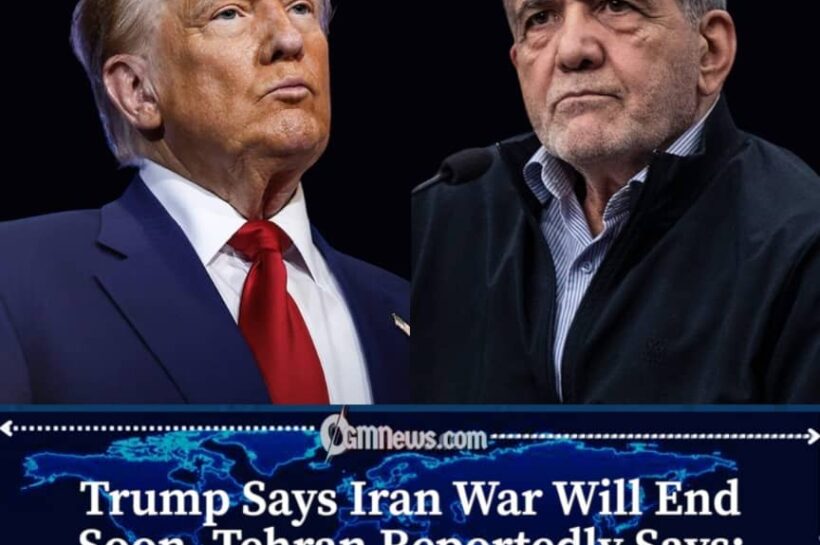
Recent international crises have increased public interest in leaders who promise rapid diplomatic breakthroughs. The wars in Ukraine and Gaza, rising tensions involving Iran, and broader fears of economic instability have intensified demands for de-escalation across many countries. Political messaging surrounding peace negotiations has therefore become increasingly valuable in shaping public perception and electoral narratives.
Peacemaker branding has also become part of a wider political strategy in modern media culture, where leaders often compete not only on policy outcomes but also on who controls the global narrative. Trump’s statement immediately generated reactions ranging from praise to skepticism because many observers remain deeply divided over his foreign policy record. Some credit his administration with reducing certain international tensions through aggressive negotiation tactics, while others argue his rhetoric occasionally increased unpredictability and diplomatic strain.
For now, President Donald Trump’s claim of settling nine wars — with a possible tenth on the horizon — has once again placed him at the center of international political conversation. Whether history ultimately views these declarations as genuine diplomatic achievements or powerful political marketing remains uncertain. OGM News understands that global observers will continue closely monitoring Trump’s next moves as the debate surrounding his Peacemaker image continues unfolding across the world stage.

[…] […]