












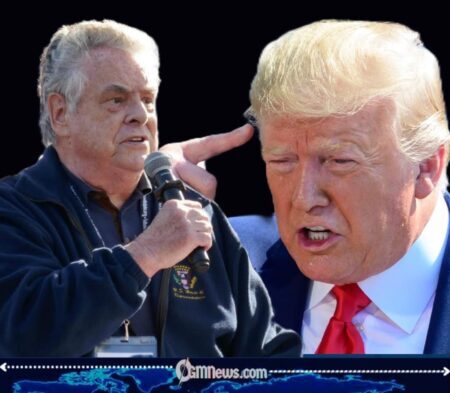
Former U.S. Representative Pete King has raised concerns over recent foreign policy directions under President Donald Trump, warning that changes in approach toward Cuba and Europe could have far-reaching national security implications. Speaking in an interview with Newsmax on Sunday, King emphasized that allied confidence and global perception of U.S. commitments remain critical.
According to King, any perception that Washington is scaling back its international responsibilities—particularly within NATO—could send unintended signals to both allies and adversaries. He stressed that foreign policy decisions must be carefully calibrated to avoid weakening strategic partnerships.
Trump’s Cuba Policy Under Scrutiny
King pointed specifically to evolving U.S. relations with Cuba, suggesting that recent policy adjustments could reshape regional dynamics in the Western Hemisphere. While details of the policy shifts remain politically debated, the broader concern centers on how changes may affect long-standing U.S. influence in the region.
He argued that Cuba remains strategically important due to its geographic proximity and historical ties to U.S. security interests. Any significant softening or restructuring of policy, he warned, must be evaluated within the broader context of regional stability.
Observers note that Cuba policy has long been a sensitive issue in U.S. foreign relations, often reflecting wider ideological divisions in Washington.
Europe and the Question of Strategic Commitment
King also highlighted concerns regarding U.S. engagement in Europe, particularly in relation to collective defense arrangements. He cautioned that any perceived reduction in American commitment could alter the strategic balance in the region.
He emphasized that European allies closely monitor Washington’s signals, especially during periods of geopolitical tension. According to King, even rhetorical shifts can influence how allies plan their defense strategies.
The discussion comes at a time when global security dynamics remain sensitive, with ongoing conflicts and heightened tensions shaping international alliances.
NATO and the Risk of Mixed Signals
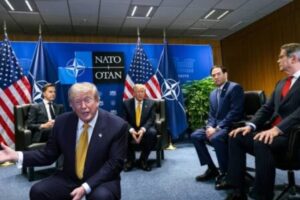
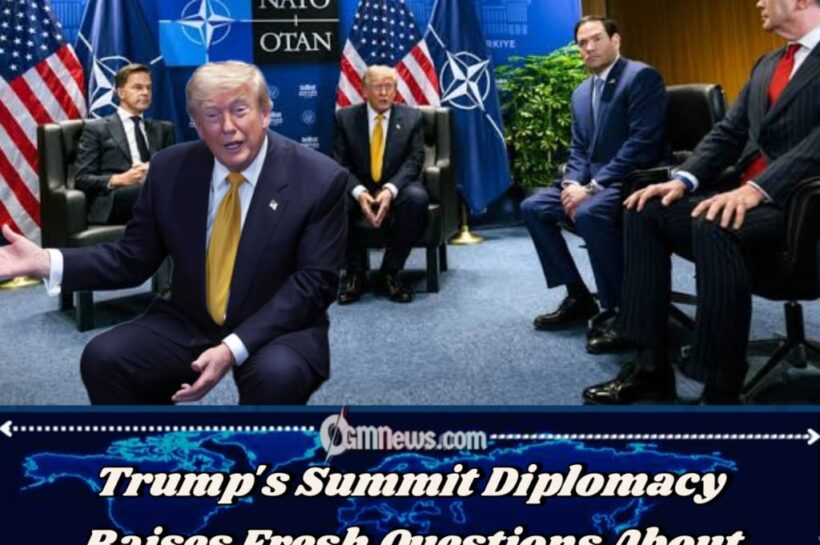
A major focus of King’s warning was the potential impact on NATO, the transatlantic defense alliance. He argued that uncertainty about U.S. commitment could weaken collective deterrence and embolden adversarial actors.
King stressed that NATO relies heavily on the perception of unity and consistency among member states. Any suggestion of disengagement from the United States, he said, risks undermining decades of strategic cooperation.
Defense analysts have similarly noted that alliance cohesion is often as important as military capability in maintaining global stability.
Domestic Debate Over Foreign Policy Direction
Within the United States, Trump’s foreign policy approach has sparked renewed debate among lawmakers and analysts. Supporters argue that reassessing international commitments allows for a more focused national interest strategy, while critics warn of long-term diplomatic consequences.
King’s comments reflect growing concern among some policymakers that rapid shifts in foreign policy could create uncertainty among allies. He urged a more measured approach that balances domestic priorities with global responsibilities.
The discussion highlights the ongoing tension between strategic retrenchment and international leadership roles in U.S. foreign policy.
Strategic Messaging Seen as Critical
Concluding his remarks, Pete King emphasized that the United States must be mindful not only of its actions but also of the messages those actions send globally. He warned that ambiguity in foreign policy could have unintended security consequences.
As debates continue under President Donald Trump, policymakers are being urged to consider how decisions regarding Cuba, Europe, and NATO may shape long-term global stability and alliances.
https://shorturl.fm/OuQpG