
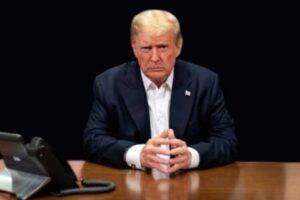









Six months before the United States heads into crucial midterm elections, Donald Trump is facing his most challenging public approval landscape yet. A new poll conducted by The Washington Post, ABC News, and Ipsos shows his disapproval rating has climbed to a record 62 percent—the highest across both of his presidential terms—amid mounting economic concerns and fallout from his administration’s military engagement with Iran.
The findings underscore growing unease among Americans over rising living costs and broader economic instability, exacerbated by the global oil shock triggered by the ongoing conflict. With public confidence waning and political stakes rising, the data paints a complex picture of a deeply polarized electorate ahead of November’s vote.
Trump Administration Record Disapproval Signals Growing Public Frustration
The latest polling places President Trump’s overall approval rating at 37 percent, a marginal decline from earlier in the year, but overshadowed by a sharp rise in disapproval. At 62 percent, the figure marks the worst rating of his presidency across two terms, signaling intensifying dissatisfaction among voters nationwide.
Public sentiment appears to reflect a convergence of concerns rather than a single issue. Americans expressed majority disapproval across every policy area measured, highlighting widespread unease about the direction of the country. Nearly two-thirds of respondents indicated that the United States is on the wrong track, reinforcing the depth of current public discontent.
Economic Pressures and Cost of Living Dominate Concerns
Economic issues have emerged as the most significant driver of declining support for the Trump administration. A striking 76 percent of respondents disapproved of Trump’s handling of the cost of living, while only 23 percent expressed approval. Inflationary pressures, particularly in fuel prices, have strained household budgets across the country.
The economic downturn has been closely linked to the geopolitical fallout from the Iran conflict, which has disrupted global oil supplies and driven prices to a four-year high. As energy costs ripple through transportation and food sectors, many Americans are feeling the cumulative impact, further eroding confidence in economic leadership.
Iran Conflict Draws Strong Opposition
The Trump administration’s military engagement with Iran has proven deeply unpopular among the electorate. According to the poll, 66 percent of Americans disapprove of how the conflict is being handled, compared to just 32 percent who support the approach.
The war has not only raised humanitarian and security concerns but has also intensified economic pressures at home. Critics argue that the administration underestimated the global consequences of the conflict, while supporters maintain it was a necessary assertion of U.S. strength. Nevertheless, the polling suggests the broader public remains unconvinced.
Shifting Support Among Republicans and Independents
While President Trump continues to enjoy strong backing among core Republican voters, subtle shifts within the party signal potential vulnerabilities. Approval among Republicans remains high at 85 percent, but the share of those who “strongly approve” has declined from 53 percent to 45 percent.
More notably, support among Republican-leaning independents has dropped to 56 percent, marking a new low. Among independents overall, approval has fallen sharply to 25 percent, underscoring the president’s struggle to maintain broader coalition support beyond his base.
Midterm Elections Loom with Rising Democratic Advantage
The political implications of the polling are significant as the country approaches the midterm elections. Among registered voters, Democrats currently hold a five-point advantage in preference for House representation, an increase from earlier in the year.
The gap widens to nine points among those who say they are certain to vote, indicating higher enthusiasm among Democratic voters. Additionally, 73 percent of Democrats view the upcoming elections as more important than previous midterms, compared to 52 percent of Republicans—a disparity that could influence turnout dynamics.
Public Skepticism Extends Beyond Policy Issues
Beyond specific policy concerns, the poll reveals deeper questions about leadership and trust. Approximately seven in ten Americans indicated they do not view the president as honest and trustworthy, while about six in ten expressed doubts about his mental sharpness for the role.
Opposition also extends to several key policy initiatives, including efforts to end birthright citizenship, reductions in federal medical research funding, increased defense spending, and changes to immigration protections. These issues collectively contribute to a broader narrative of public skepticism toward the Trump! administration.
https://shorturl.fm/5TtQZ