




























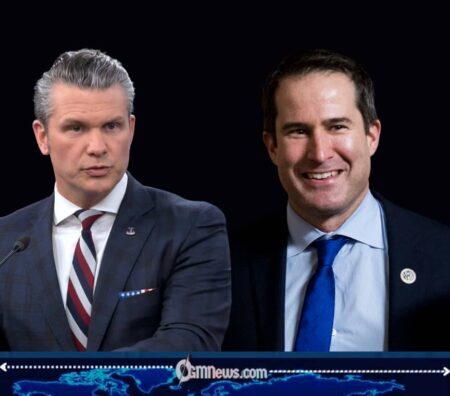
U.S. Representative Seth Moulton has delivered a pointed critique of U.S. Defense Secretary Pete Hegseth, describing him as “an embarrassment to the troops” and questioning his credibility within the armed forces. Moulton’s remarks, which include references to Hegseth’s military background and perceived lack of respect among service members, have intensified scrutiny of Pentagon leadership during a period of heightened geopolitical tension.
The comments come as the U.S. military faces complex operational challenges abroad and internal debates at home. Moulton’s statements reflect broader concerns among some lawmakers regarding leadership, experience, and the direction of defense policy under the current administration.
Moulton’s Critique: Credibility and Respect Within the Ranks
Representative Seth Moulton, a Marine Corps veteran and member of the House Armed Services Committee, has framed his criticism around the issue of credibility. By suggesting that troops do not respect Defense Secretary Pete Hegseth, Moulton raises concerns about the importance of trust between military leadership and service members.
The reference to the nickname “Ranger Pete,” used by critics, highlights ongoing debate about Pete Hegseth’s military credentials. While such characterizations are politically charged, they underscore a broader argument that leadership at the Pentagon must command both professional respect and operational confidence.
Moulton’s remarks reflect a belief that perceived gaps in experience or credibility could have implications for morale and effectiveness within the armed forces.
Broader Congressional Concerns Over Pentagon Leadership
Moulton is not alone in voicing concerns about the direction of the Department of Defense. Other lawmakers have criticized aspects of Pete Hegseth’s leadership, citing issues ranging from personnel decisions to communication with Congress.
These concerns have been amplified by reports of internal tensions within the Pentagon, including disputes over strategic priorities and the dismissal or reassignment of senior officials. Critics argue that such developments may signal instability at a time when consistent leadership is critical.
Supporters of Hegseth, however, contend that changes within the department reflect necessary reforms aimed at improving efficiency and aligning military strategy with broader national objectives.
Military Experience Debate: Qualifications and Expectations
A central theme in the criticism of Pete Hegseth is the question of military experience and qualifications. Leadership roles within the Department of Defense traditionally demand a combination of operational expertise, strategic vision, and the ability to navigate complex institutional structures.
Critics, including Seth Moulton, argue that these expectations are essential for maintaining the confidence of both service members and international partners. They suggest that any perceived shortcomings in this area can have ripple effects across the military establishment.
At the same time, defenders of Hegseth emphasize that leadership effectiveness is not solely determined by traditional career paths, pointing to the importance of policy insight and decision-making ability.
Policy and Operational Controversies Fueling Debate
The scrutiny surrounding Pete Hegseth’s leadership is also tied to specific policy decisions and operational controversies. These include debates over rules of engagement, handling of sensitive information, and broader strategic approaches to ongoing conflicts.
Such issues have prompted increased oversight from Congress, with lawmakers seeking clarity on decision-making processes and accountability within the Department of Defense. The intensity of this scrutiny reflects the high stakes associated with military policy.
Moulton’s criticism, therefore, is not limited to personal qualifications but extends to broader concerns about how defense policies are formulated and implemented.
Political Divide: Competing Views on Defense Leadership
The debate over Pete Hegseth’s leadership illustrates the broader partisan divide in Washington. Democrats, including Seth Moulton, have raised concerns about leadership style, transparency, and adherence to established norms.
Republicans and administration allies, on the other hand, have defended Pete Hegseth’s approach, arguing that it represents a necessary shift toward a more assertive and results-oriented defense strategy. They contend that criticism is often politically motivated and overlooks the challenges of modern military leadership.
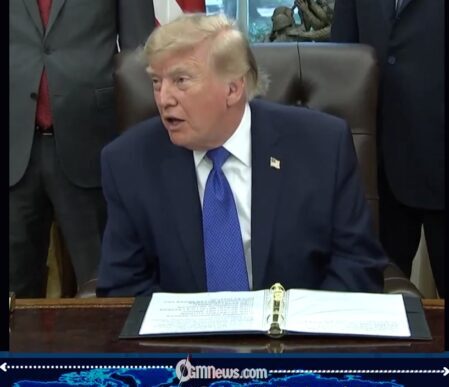
U.S. President Donald Trump, currently serving a second term, has continued to support his defense leadership team, emphasizing the importance of strong direction in addressing global security challenges.
Implications for Military Morale and Institutional Stability
The controversy has broader implications for military morale and institutional stability. Trust in leadership is widely regarded as a cornerstone of effective military operations, and public disputes over leadership can influence perceptions within the ranks.
Analysts note that sustained criticism whether justified or not can affect both internal cohesion and external confidence among allies. At the same time, transparent debate and oversight are essential components of democratic governance, particularly in matters of national security.
Balancing these considerations remains a key challenge as the discussion over defense leadership continues to evolve.
Leadership Debate Reflects Broader Strategic Questions
Representative Seth Moulton’s criticism of Defense Secretary Pete Hegseth highlights a deeper conversation about leadership, accountability, and the direction of U.S. defense policy. While opinions differ sharply, the debate underscores the importance of maintaining confidence in institutions tasked with national security.
As the United States navigates complex global challenges, the effectiveness and perception of its military leadership will remain central to both domestic and international discussions.
[…] […]