





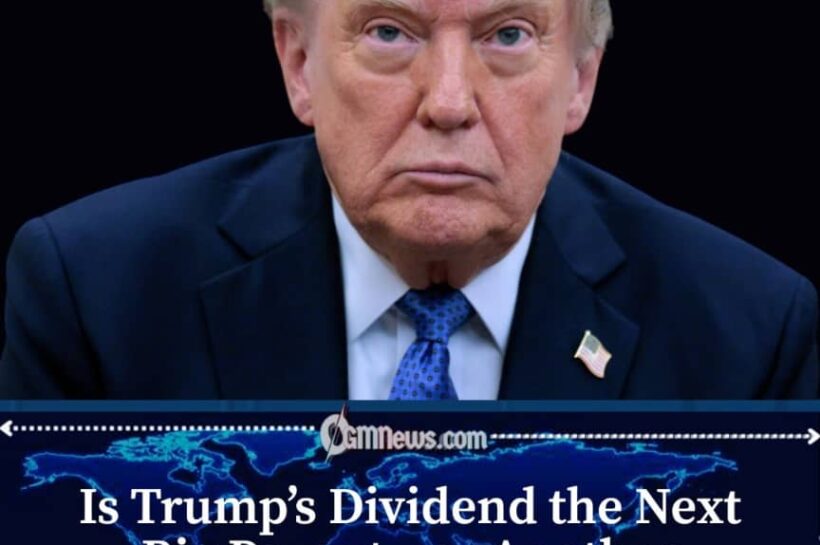













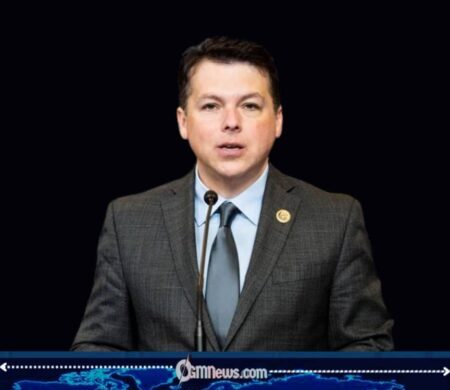
U.S. Representative Brendan Boyle has delivered a sharp critique of U.S. President Donald Trump, currently serving a second term, arguing that the president shows little concern for the welfare of ordinary Americans. Boyle’s remarks—asserting that the president “doesn’t care about the American people” and prioritizes himself—have added to an already intense national debate over economic policy, foreign affairs, and political leadership.
The comments come at a time of heightened political tension in the United States, as disagreements over tariffs, the Iran conflict, and domestic economic conditions continue to dominate public discourse. Boyle’s statement reflects broader concerns among Democrats about the direction of federal policy and its impact on working- and middle-class households.
Boyle’s Critique: A Broader Democratic Argument
Representative Brendan Boyle’s remarks are part of a wider Democratic critique of the current administration. Lawmakers in the party have increasingly argued that key policies particularly those related to trade and taxation place additional burdens on average Americans while benefiting select sectors.
Boyle, who plays a prominent role in budgetary oversight, has emphasized the importance of aligning federal policy with the needs of everyday citizens. His comments suggest a belief that current priorities may not adequately address issues such as rising costs of living, wage pressures, and economic inequality.
By framing his criticism in terms of concern for “the average American,” Boyle underscores a central theme in Democratic messaging: that government policy should prioritize broad-based economic well-being.
Economic Policy at the Center of the Debate
Economic issues remain a focal point of the disagreement. Critics of President Donald Trump’s policies point to tariffs on imported goods as a potential driver of higher consumer prices, arguing that such measures can increase costs for households and businesses alike.
Supporters of the administration, however, contend that tariffs are designed to protect domestic industries, reduce reliance on foreign manufacturing, and strengthen national economic security. They argue that short-term disruptions may lead to longer-term benefits, including job creation and industrial growth.
This divide reflects a broader debate over how best to balance global trade relationships with domestic economic priorities, a question that continues to shape policy discussions in Washington.
Foreign Policy and Its Domestic Implications
The ongoing U.S. engagement with Iran has further intensified political divisions. Critics, including Representative Brendan Boyle, have raised concerns about the financial and strategic costs of military involvement, as well as its potential impact on domestic priorities.
President Donald Trump has defended his approach as necessary to safeguard national security and maintain global stability. The administration’s framing of the situation as a “war” has elevated the stakes of the debate, influencing how both policymakers and the public perceive the conflict.
The intersection of foreign policy and domestic economics highlights the complexity of governance, where decisions made abroad can have significant repercussions at home.
Partisan Divide: Competing Narratives on Leadership
The exchange between Representative Brendan Boyle and President Donald Trump reflects a deeper partisan divide over the role and responsibilities of leadership. Democrats argue that the administration’s policies disproportionately affect vulnerable populations, while Republicans emphasize the importance of strong, decisive action in both economic and security matters.
President Donald Trump’s supporters often point to efforts aimed at strengthening U.S. industry and asserting global influence as evidence of effective leadership. Meanwhile, critics argue that such policies may overlook the immediate needs of everyday citizens.
This clash of perspectives illustrates the challenges of reconciling differing visions for the country’s future, particularly in a politically polarized environment.
Rhetoric and Political Climate: Escalation on Both Sides
The tone of political discourse has grown increasingly sharp, with both parties using strong language to articulate their positions. Representative Brendan Boyle’s remarks are part of this broader trend, as lawmakers seek to convey urgency and conviction in their arguments.
President Donald Trump has also employed forceful rhetoric, particularly in defending his policies and responding to criticism. Analysts note that such exchanges, while not uncommon in modern politics, can contribute to heightened tensions and reduced opportunities for bipartisan cooperation.
The evolving nature of political communication reflects both the intensity of current debates and the influence of media platforms in shaping public perception.
Public and Institutional Response
Public reaction to Boyle’s comments has been mixed, reflecting the broader political divide in the United States. Supporters of his position view the remarks as a necessary critique of policies they believe are harmful, while opponents see them as overly partisan.
Institutional responses have similarly varied, with some policymakers calling for a more measured tone in political discourse. Others argue that robust debate is essential to a functioning democracy, particularly when addressing complex issues such as economic policy and national security.
As the debate continues, the interplay between criticism and defense of policy is likely to remain a defining feature of the political landscape.
A Debate Reflecting Broader National Divisions
Representative Brendan Boyle’s criticism of President Donald Trump highlights the enduring divisions within U.S. politics. At its core, the debate centers on differing interpretations of policy impact, leadership priorities, and the role of government in addressing the needs of its citizens.
As the United States navigates economic challenges and international tensions, such exchanges are likely to persist, shaping both policy outcomes and public opinion. The ability of leaders to engage constructively across these divides will be critical in determining the nation’s path forward.
[…] […]