

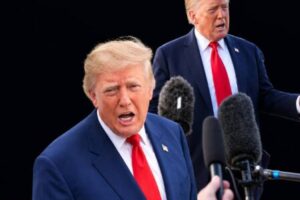





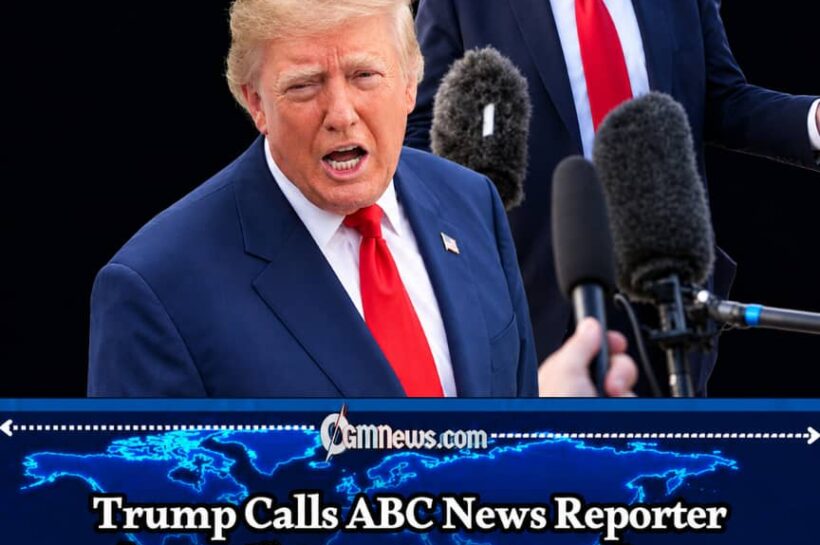




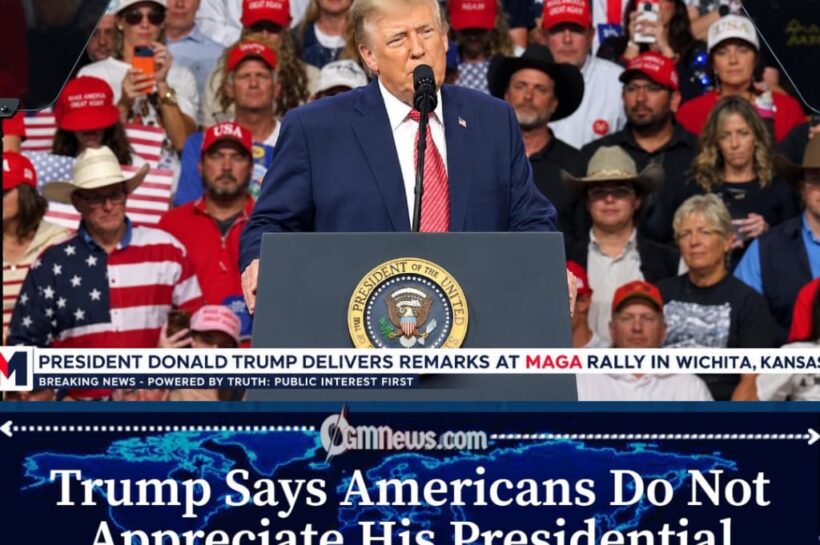




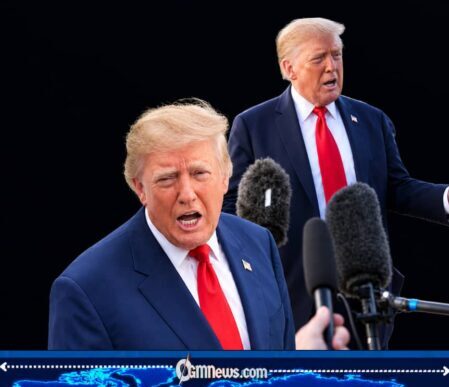
U.S. President Donald Trump, currently serving a second term, has provided a vivid account of a recent naval operation in which American forces intercepted and seized an Iranian-linked vessel. President Donald Trump explained that U.S. forces targeted the ship’s engine room to disable it before boarding and taking control of both the vessel and its cargo.
He further characterized the operation in striking terms, stating that the United States had effectively taken over the ship and its oil, describing the action as “a very profitable business.” The remarks have drawn widespread international attention, not only for their detail but also for the tone used to describe a sensitive military engagement.
President Donald Trump Frames Operation as Strategic Success
President Donald Trump has defended the seizure as part of a broader effort to assert control over maritime activity linked to Iran. According to President Donald Trump, such actions are necessary to disrupt economic channels and weaken adversarial capabilities in the region.
Supporters of President Donald Trump’s approach argue that decisive actions at sea can serve as an effective tool of pressure, limiting Iran’s ability to export resources and sustain operations. They contend that maritime enforcement has become a key component of modern geopolitical strategy.
However, critics caution that framing such operations in economic terms risks complicating diplomatic efforts and may raise questions about long-term strategic objectives.
The Operation in Detail: Tactics and Execution
Defense analysts indicate that the interception followed established naval procedures for disabling and boarding a vessel. By targeting the engine room, U.S. forces were able to bring the ship to a halt without prolonged confrontation, allowing for a controlled takeover.
Once immobilized, personnel reportedly boarded the vessel from above, securing both the crew and the cargo. Early reports suggest the ship may have been carrying materials classified as “dual-use,” meaning they could serve both civilian and military purposes.
Such operations require precise coordination and intelligence, underscoring the complexity of enforcing maritime restrictions in contested waters.
Naval Strategy: Expanding U.S. Presence in Key Waters
The seizure forms part of a broader U.S. naval strategy aimed at increasing pressure on Iran through maritime dominance. Increased patrols and surveillance have enabled the interception of vessels suspected of supporting Iranian economic or military activities.
President Donald Trump has emphasized that controlling shipping lanes is essential to achieving strategic goals, highlighting the importance of maritime operations in the wider conflict. This approach reflects a shift toward more assertive enforcement measures in international waters.
Analysts note that the strategy is designed not only to disrupt current activities but also to deter future attempts to bypass restrictions.
Legal and Diplomatic Debate Intensifies
The operation has sparked debate among legal experts regarding its compliance with international maritime law. Questions have been raised about the circumstances under which vessels can be intercepted and cargo seized on the high seas.
Critics argue that such actions may blur the line between enforcement and escalation, potentially complicating diplomatic relations. Meanwhile, supporters maintain that the measures are justified within the context of ongoing security concerns.
President Donald Trump’s remarks, including comparisons to piracy, have added to the controversy, prompting discussions about how rhetoric can influence global perceptions of military actions.
Economic Impact: Oil Seizures and Market Sensitivity
The confiscation of oil cargo introduces an economic dimension to the operation, with potential implications for global energy markets. By removing shipments from circulation, such actions can contribute to supply constraints and price fluctuations.
President Donald Trump’s description of the operation as “profitable” highlights the financial aspect of these seizures, though analysts warn that short-term gains may be offset by longer-term market instability.
Energy markets remain highly sensitive to developments in the region, and continued disruptions could have ripple effects across global economies.
Global Reaction: Concerns Over Escalation
International responses have been mixed, with some allies expressing concern over the potential for increased tensions. Iranian officials have condemned the seizure, describing it as a violation of international norms and warning of possible retaliation.
The incident has heightened concerns about maritime security in a region already marked by instability. Observers warn that repeated interdictions could lead to a cycle of action and response, increasing the risk of broader conflict.
President Donald Trump’s firm stance suggests that such operations may continue, even as calls for restraint grow louder.
A High-Stakes Maritime Strategy Unfolds
The seizure of the Iranian-linked vessel represents a significant development in the evolving U.S.–Iran confrontation. By combining military action with economic pressure, the United States is pursuing a strategy aimed at reshaping regional dynamics.
President Donald Trump’s remarks have brought renewed attention to the methods and messaging behind this approach. As the situation continues to unfold, the balance between enforcement, diplomacy, and stability will remain a central concern for the international community.

The weekly tournaments here keep me coming back because the prize pools are surprisingly generous....