











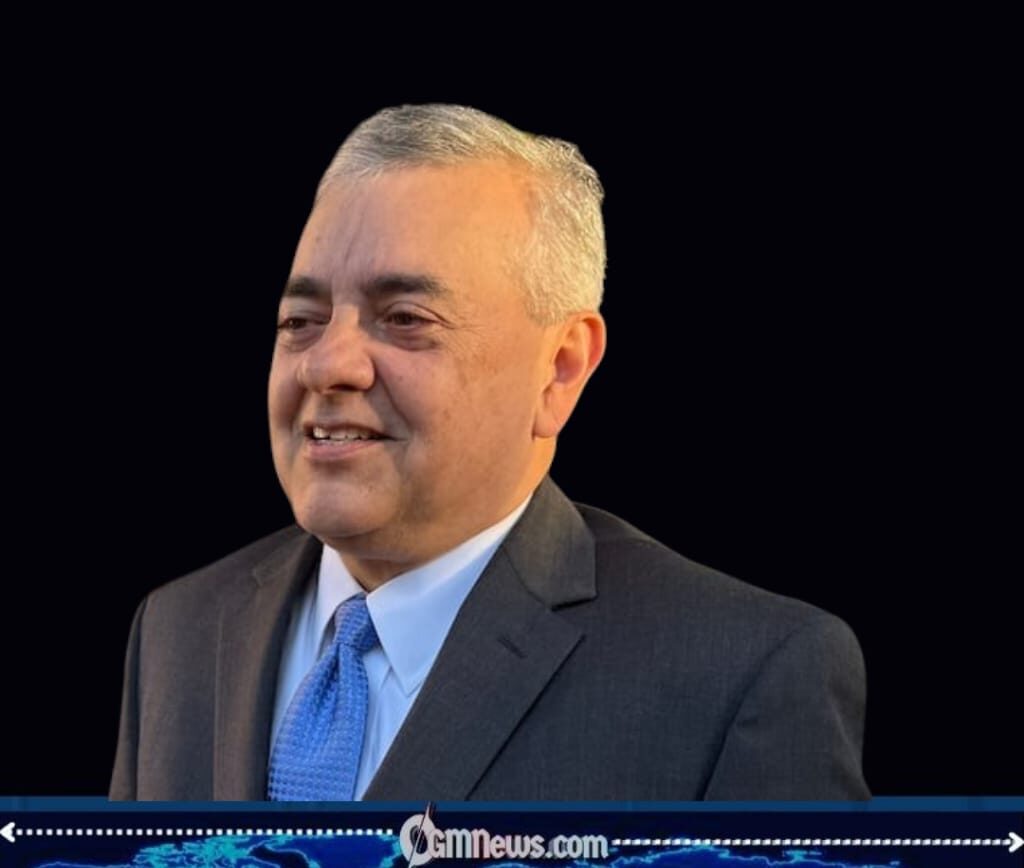
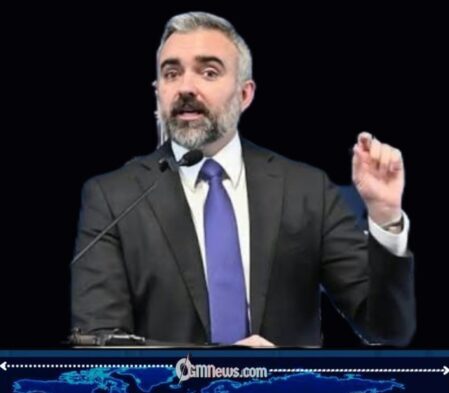
Rep. David Rivera, a former Florida congressman, has been convicted by a federal jury in a high-profile case involving secret lobbying on behalf of Venezuela. The conviction follows allegations that he engaged in undisclosed efforts tied to the government of Nicolás Maduro while failing to comply with U.S. legal requirements for foreign agents.
The case, heard in federal court in Miami, centered on claims that Rivera participated in a multimillion-dollar lobbying campaign aimed at influencing U.S. policy toward Venezuela. Prosecutors argued that these activities were deliberately concealed through complex arrangements and undisclosed financial transactions.
Rep. David Rivera’s conviction marks a significant development in ongoing efforts to enforce transparency laws surrounding foreign lobbying and political influence in the United States.
Details of the Federal Case and Charges
Rep. David Rivera was found guilty of charges that included conspiracy to commit money laundering and failing to register as a foreign agent under federal law. These charges stemmed from a reported multimillion-dollar lobbying contract linked to Venezuelan interests.
Court proceedings revealed that the lobbying efforts were carried out over several years, involving attempts to influence policymakers and shift U.S. positions on Venezuela. The prosecution presented evidence suggesting that Rivera used his political connections to advance these efforts.
Rep. David Rivera’s legal team had argued that his work was related to legitimate business dealings rather than political lobbying, but the jury ultimately rejected that defense.
Rep. David Rivera and the Political Implications
Rep. David Rivera’s conviction has raised broader questions about political accountability and the boundaries between private consulting and foreign lobbying. The case highlights how former public officials can remain influential in international affairs.
Rep. David Rivera’s past connections within political circles were a focal point during the trial, with prosecutors emphasizing how those relationships were allegedly leveraged.
Rep. David Rivera’s situation underscores the scrutiny faced by individuals transitioning from public office into private sector roles involving international clients.
Testimony and Key Figures in the Trial
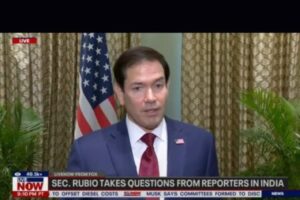
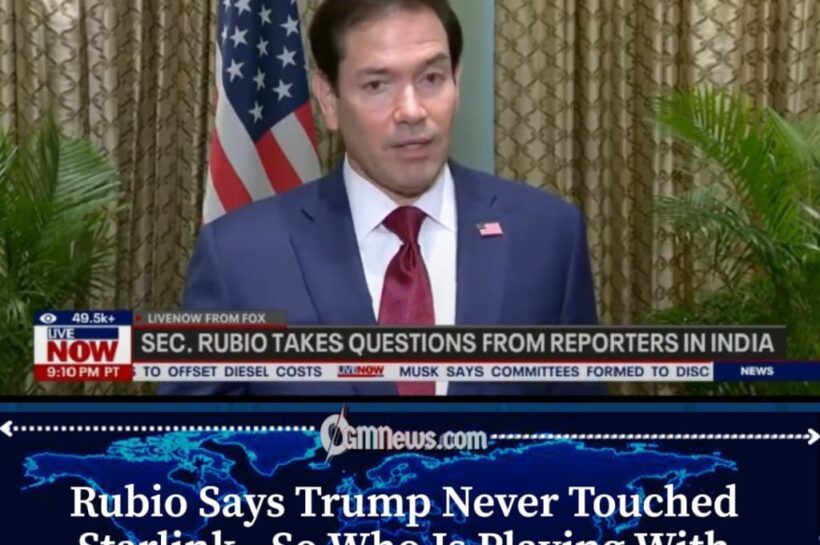
The trial featured testimony from several high-profile figures, including Marco Rubio, who was called to discuss interactions related to the case. His involvement drew additional attention due to the rarity of such testimony in a criminal proceeding.
Witness accounts and documentary evidence played a central role in outlining the scope of the alleged lobbying efforts, including communications and financial arrangements tied to the case.
The proceedings also highlighted the complexity of tracking foreign influence operations, particularly when they involve multiple intermediaries and jurisdictions.
Rep. David Rivera and Legal Consequences
Rep. David Rivera now faces potential sentencing following the conviction, with legal experts noting that charges such as money laundering and foreign agent violations can carry significant penalties.
Rep. David Rivera was reportedly taken into custody after the verdict, reflecting concerns raised during the trial regarding flight risk and access to financial resources.
Rep. David Rivera’s legal future remains uncertain as the case moves into the sentencing phase, where the court will determine the appropriate consequences.
Broader Impact on U.S. Foreign Lobbying Oversight
Rep. David Rivera’s case is expected to have lasting implications for how U.S. authorities monitor and regulate foreign lobbying activities. It reinforces the importance of compliance with disclosure laws designed to ensure transparency.
The case has also renewed focus on the Foreign Agents Registration Act and its role in maintaining accountability among individuals working on behalf of foreign governments.
As similar investigations continue, the outcome of this case may influence both policy enforcement and public perception regarding foreign influence in U.S. politics.

Logging in is a breeze and the site stability is amazing even during peak hours....