




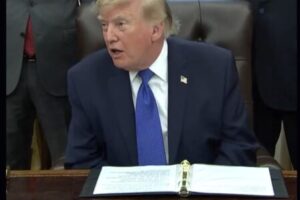



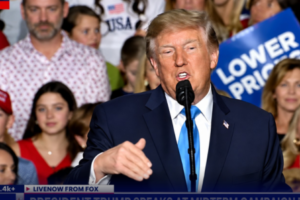

















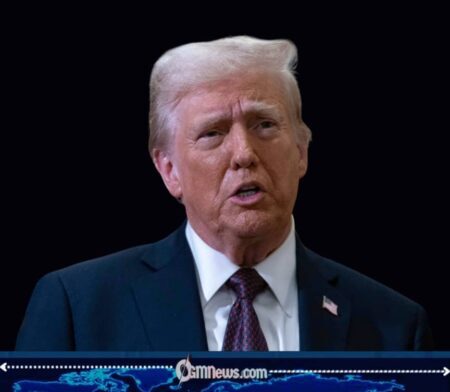
U.S. President Donald Trump, now serving his second term, has declared that while Iran appears eager to negotiate, he remains unconvinced by the terms on offer. “They want to make a deal, but I don’t. I’m not satisfied with it. We’ll see what happens,” he said, adding that Iran is seeking talks from a position of weakness.
President Donald Trump’s remarks come at a delicate moment in U.S.–Iran tensions, where military confrontation and diplomatic outreach are unfolding simultaneously. His assertion that Iran “has no military left” has further intensified debate, drawing both support from allies and skepticism from independent analysts.
Trump’s Position: Firm Stance Amid Negotiation Signals
President Donald Trump has consistently maintained a hardline stance toward Tehran, emphasizing that any agreement must meet strict U.S. conditions. While acknowledging that Iran is showing willingness to negotiate, President Donald Trump has indicated that the current proposals fall short of expectations.
According to administration officials, the U.S. is seeking comprehensive concessions, including limits on Iran’s nuclear ambitions and broader security guarantees. President Donald Trump has suggested that accepting a weak deal could undermine long-term strategic objectives, reinforcing his reluctance to compromise.
This approach reflects a negotiating strategy that combines openness to dialogue with firm resistance to what the administration views as inadequate terms.
Iran’s Overtures: Diplomatic Efforts Through Intermediaries
Officials familiar with the situation indicate that Iran has been exploring diplomatic channels, often through intermediaries, to present proposals aimed at easing tensions. These efforts suggest a desire to de-escalate the conflict and avoid further economic and military strain.
However, communication between Washington and Tehran remains indirect, adding complexity to the negotiation process. Iranian representatives have, at times, denied direct engagement while signaling openness to discussions under certain conditions.
The lack of direct talks has contributed to uncertainty, with both sides appearing to test each other’s positions while avoiding immediate commitments.
Military Claims and Reality: Debate Over Iran’s Capabilities
President Donald Trump’s assertion that Iran has “no military left” has become a focal point of controversy. While recent confrontations have reportedly weakened aspects of Iran’s military infrastructure, analysts caution against interpreting these developments as total incapacitation.
Defense experts note that Iran retains significant capabilities, including regional influence and asymmetric warfare strategies. The discrepancy between political statements and independent assessments highlights the challenges of accurately gauging the situation on the ground.
President Donald Trump’s comments, therefore, are viewed by some as part of a broader effort to strengthen negotiating leverage rather than a literal assessment of military capacity.
Global Reactions: Markets and Allies Respond
International markets have reacted cautiously to the evolving situation, with fluctuations in oil prices reflecting both fears of escalation and hopes for a diplomatic resolution. Investors are closely monitoring developments, aware that shifts in U.S.–Iran relations can have far-reaching economic consequences.
Allies of the United States have expressed mixed reactions, with some supporting a firm stance while others advocate for renewed diplomatic engagement. The situation underscores the broader geopolitical implications of the standoff, particularly in energy markets and regional stability.
President Donald Trump’s approach has therefore sparked debate not only within the United States but also among global partners navigating the potential fallout.
Strategic Crossroads: Diplomacy or Escalation
The current moment represents a critical juncture in U.S.–Iran relations, with both diplomacy and escalation remaining viable paths. President Donald Trump has framed the situation as a choice between pursuing a deal or intensifying military action, reflecting the high stakes involved.
Analysts suggest that the administration’s strategy may be designed to maximize pressure on Iran while leaving room for a favorable agreement. This dual-track approach, however, carries inherent risks, including miscalculation and unintended escalation.
As negotiations continue indirectly, the outcome will depend on whether both sides can bridge significant gaps in their expectations.
Legal and Policy Considerations: Uncertainty Ahead
Beyond the immediate geopolitical implications, questions remain about the legal and policy frameworks guiding U.S. actions. Decisions regarding military engagement and diplomatic negotiations are subject to both domestic and international scrutiny.
Businesses and policymakers alike are watching closely, as prolonged uncertainty could affect global markets and strategic planning. The evolving situation highlights the interconnected nature of modern geopolitics, where economic, military, and diplomatic factors are deeply intertwined.
President Donald Trump’s decisions in the coming weeks are likely to shape not only the trajectory of U.S.–Iran relations but also broader international dynamics.
A Delicate Balance of Power and Diplomacy
President Donald Trump’s rejection of Iran’s current proposal underscores the complexity of the situation, where competing interests and strategic calculations are at play. While Iran appears eager to negotiate, the United States remains cautious, seeking terms that align with its long-term objectives.
The path forward remains uncertain, with the potential for both breakthrough agreements and renewed tensions. As events unfold, the world will be watching closely to see whether diplomacy prevails or divisions deepen.
Casinoabc999? Good Site. The interface is sleek, and there is a lot of stuff to...